2616 Ave U | Brooklyn, NY 11229


Heel pain in young athletes is often caused by calcaneal apophysitis, commonly known as Sever’s disease. This condition affects the growth plate at the back of the heel, where the Achilles tendon attaches. It typically occurs during growth spurts when bones grow faster than muscles and tendons, creating tension and inflammation at the heel. Pain may increase with running, jumping, or sports that involve repetitive impact on the feet. Although frustrating, recovery takes time and requires rest, stretching, and sometimes heel supports or orthotics. Returning to play too early can delay healing and worsen symptoms. Patience and proper care allow the inflamed growth plate to heal completely and prevent chronic pain or reinjury. If heel pain persists or interferes with activity, it is important to see a podiatrist for a proper diagnosis, treatment, and guidance on a safe return to the desired activity.
Sever's disease often occurs in children and teens. If your child is experiencing foot or ankle pain, see one of our podiatrists from Jill Einhorn, DPM and James Einhorn, DPM. Our doctors can treat your child’s foot and ankle needs.
Sever’s Disease
Sever’s disease is also known as calcaneal apophysitis, which is a medical condition that causes heel pain I none or both feet. The disease is known to affect children between the ages of 8 and 14.
Sever’s disease occurs when part of the child’s heel known as the growth plate (calcaneal epiphysis) is attached to the Achilles tendon. This area can suffer injury when the muscles and tendons of the growing foot do not keep pace with bone growth. Therefore, the constant pain which one experiences at the back of the heel will make the child unable to put any weight on the heel. The child is then forced to walk on their toes.
Symptoms
Acute pain – Pain associated with Sever’s disease is usually felt in the heel when the child engages in physical activity such as walking, jumping and or running.
Highly active – Children who are very active are among the most susceptible in experiencing Sever’s disease, because of the stress and tension placed on their feet.
If you have any questions, please feel free to contact our offices located in Brooklyn and Astoria, NY . We offer the newest diagnostic and treatment technologies for all your foot care needs.

Fungal nails, medically known as onychomycosis, are caused by fungi infecting the nail bed. This is often due to warm, moist environments, poor foot hygiene, or minor nail injuries. Symptoms typically include thickened, discolored nails that may appear yellow, white, or brown. The toenails can become brittle, crumbly, or distorted, sometimes accompanied by a foul odor. Although fungal nails are often painless, they can cause discomfort when wearing shoes or walking. A podiatrist can accurately diagnose fungal toenail infections through a physical examination and laboratory testing. Treatment options include topical antifungal medication, oral antifungal drugs, or professional nail debridement to remove infected tissue. Because fungal toenail infections can worsen over time and spread to other nails, early diagnosis and treatment are important. To protect your toenail health and prevent further complications, it is suggested that you make an appointment with a podiatrist.
For more information about treatment, contact one of our podiatrists of Jill Einhorn, DPM and James Einhorn, DPM. Our doctors can provide the care you need to keep you pain-free and on your feet.
Toenail Fungus Treatment
Toenail fungus is a condition that affects many people and can be especially hard to get rid of. Fortunately, there are several methods to go about treating and avoiding it.
Antifungals & Deterrence
Oral antifungal medicine has been shown to be effective in many cases. It is important to consult with a podiatrist to determine the proper regiment for you, or potentially explore other options.
Applying foot powder on the feet and shoes helps keep the feet free of moisture and sweat.
Sandals or open toed shoes – Wearing these will allow air movement and help keep feet dry. They also expose your feet to light, which fungus cannot tolerate. Socks with moisture wicking material also help as well.
If you have any questions please contact our offices located in Brooklyn and Astoria, NY . We offer the newest diagnostic and treatment technologies for all your foot and ankle needs.

Tarsal tunnel syndrome occurs when a major nerve in the ankle becomes compressed, leading to discomfort in the foot and toes. The tarsal tunnel, which is similar to the carpal tunnel of the wrist, is a narrow passage along the inside of the ankle that contains tendons, blood vessels, and the posterior tibial nerve. When pressure builds in the tarsal tunnel, the nerve may become irritated, producing tingling, burning, or sharp pain that radiates into the sole of the foot or toward the toes. Causes can include ankle sprains, flat feet that strain the tunnel, systemic conditions like diabetes or arthritis, or growths that occupy space in the tunnel. A podiatrist can assess foot structure, nerve function, and gait, and may recommend custom support, medication, or surgery to relieve nerve compression. If you have pain on the inner side of the ankle, it is suggested that you make an appointment with a podiatrist for an exam and treatment.
Ankle pain can be caused by a number of problems and may be potentially serious. If you have ankle pain, consult with one of our podiatrists from Jill Einhorn, DPM and James Einhorn, DPM. Our doctors will assess your condition and provide you with quality foot and ankle treatment.
Ankle pain is any condition that causes pain in the ankle. Due to the fact that the ankle consists of tendons, muscles, bones, and ligaments, ankle pain can come from a number of different conditions.
Causes
The most common causes of ankle pain include:
Symptoms
Symptoms of ankle injury vary based upon the condition. Pain may include general pain and discomfort, swelling, aching, redness, bruising, burning or stabbing sensations, and/or loss of sensation.
Diagnosis
Due to the wide variety of potential causes of ankle pain, podiatrists will utilize a number of different methods to properly diagnose ankle pain. This can include asking for personal and family medical histories and of any recent injuries. Further diagnosis may include sensation tests, a physical examination, and potentially x-rays or other imaging tests.
Treatment
Just as the range of causes varies widely, so do treatments. Some more common treatments are rest, ice packs, keeping pressure off the foot, orthotics and braces, medication for inflammation and pain, and surgery.
If you have any questions please feel free to contact our offices located in Brooklyn and Astoria, NY . We offer the newest diagnostic tools and technology to treat your foot and ankle needs.

If left untreated, an ingrown toenail can lead to more serious concerns, such as an infection. Knowing proper nail care can help in the prevention of an ingrown toenail. Give us a call, and get treated!
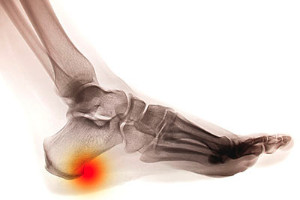 There are patients that develop a bony growth on their heel, and this may be referred to as a heel spur. A common symptom that is generally associated with this ailment can include pain and discomfort after arising in the morning. Research has indicated it can form in patients who have plantar fasciitis, which is an inflammation of the plantar fascia. Mild relief may be felt when the affected foot is taped, as this may help to provide extra support. Additionally, it can help to rest the foot as often as possible, and to lose existing weight in obese patients. In severe cases, a heel spur can be surgically removed. If you have heel pain that may indicate a heel spur, it is strongly advised that you consult with a podiatrist as quickly as possible who can determine what the best course of treatment is for you.
Heel spurs can be incredibly painful and sometimes may make you unable to participate in physical activities. To get medical care for your heel spurs, contact one of our podiatrists from Jill Einhorn, DPM and James Einhorn, DPM. Our doctors will do everything possible to treat your condition.
Heels Spurs
Heel spurs are formed by calcium deposits on the back of the foot where the heel is. This can also be caused by small fragments of bone breaking off one section of the foot, attaching onto the back of the foot. Heel spurs can also be bone growth on the back of the foot and may grow in the direction of the arch of the foot.
Older individuals usually suffer from heel spurs and pain sometimes intensifies with age. One of the main condition's spurs are related to is plantar fasciitis.
Pain
The pain associated with spurs is often because of weight placed on the feet. When someone is walking, their entire weight is concentrated on the feet. Bone spurs then have the tendency to affect other bones and tissues around the foot. As the pain continues, the feet will become tender and sensitive over time.
Treatments
There are many ways to treat heel spurs. If one is suffering from heel spurs in conjunction with pain, there are several methods for healing. Medication, surgery, and herbal care are some options.
If you have any questions, please feel free to contact our offices located in Brooklyn and Astoria, NY . We offer the newest diagnostic and treatment technologies for all your foot care needs.


 James and Jill Einhorn, DPM - Default