2616 Ave U | Brooklyn, NY 11229


Diabetic foot ulcers are open wounds or sores that often develop on the feet of diabetics, especially those with poor circulation or nerve damage, called neuropathy. These ulcers often form due to minor injuries that go unnoticed, as reduced sensation can prevent patients from feeling pain or pressure. Symptoms include redness, swelling, drainage, or foul odor. The ulcer may appear as an open sore with surrounding skin discoloration. Without treatment, these wounds can worsen, leading to infection or even loss of limb. Living with a diabetic foot ulcer can severely affect mobility, independence, and emotional well-being. A podiatrist plays a critical role in managing and preventing these ulcers. Treatment includes wound care, offloading pressure with custom footwear or braces, and debridement to remove dead tissue. If you are dealing with this serious issue, it is suggested that you make an appointment with a podiatrist to manage your care.
Wound care is an important part in dealing with diabetes. If you have diabetes and a foot wound or would like more information about wound care for diabetics, consult with one of our podiatrists from Jill Einhorn, DPM and James Einhorn, DPM. Our doctors will assess your condition and provide you with quality foot and ankle treatment.
What Is Wound Care?
Wound care is the practice of taking proper care of a wound. This can range from the smallest to the largest of wounds. While everyone can benefit from proper wound care, it is much more important for diabetics. Diabetics often suffer from poor blood circulation which causes wounds to heal much slower than they would in a non-diabetic.
What Is the Importance of Wound Care?
While it may not seem apparent with small ulcers on the foot, for diabetics, any size ulcer can become infected. Diabetics often also suffer from neuropathy, or nerve loss. This means they might not even feel when they have an ulcer on their foot. If the wound becomes severely infected, amputation may be necessary. Therefore, it is of the upmost importance to properly care for any and all foot wounds.
How to Care for Wounds
The best way to care for foot wounds is to prevent them. For diabetics, this means daily inspections of the feet for any signs of abnormalities or ulcers. It is also recommended to see a podiatrist several times a year for a foot inspection. If you do have an ulcer, run the wound under water to clear dirt from the wound; then apply antibiotic ointment to the wound and cover with a bandage. Bandages should be changed daily and keeping pressure off the wound is smart. It is advised to see a podiatrist, who can keep an eye on it.
If you have any questions please contact our offices located in Brooklyn and Astoria, NY . We offer the newest diagnostic and treatment technologies for all your foot and ankle needs.

Ingrown toenails often start as a small nuisance but can quickly become painful and inflamed. This happens when the edge of a toenail begins to press into the surrounding skin, commonly on the big toe. Wearing tight shoes, poor grooming habits, and nail injuries are frequent causes. In some cases, there may be redness, swelling, or even drainage from the affected area. Early treatment may involve soaking the foot, keeping the area clean, and using over-the-counter ointments. When discomfort persists or infection develops, a podiatrist might need to trim or remove part of the nail. For recurring cases, a minor procedure to prevent regrowth of the offending nail edge can provide lasting relief. Outcomes are usually straightforward with timely care. Waiting too long can lead to deeper infections or skin complications. If your toe becomes sore, swollen, or sensitive to pressure, it is suggested that you see a podiatrist for evaluation and treatment.
Ingrown toenails can become painful if they are not treated properly. For more information about ingrown toenails, contact one of our podiatrists of Jill Einhorn, DPM and James Einhorn, DPM. Our doctors can provide the care you need to keep you pain-free and on your feet.
Ingrown Toenails
Ingrown toenails occur when a toenail grows sideways into the bed of the nail, causing pain, swelling, and possibly infection.
Causes
Prevention
Wearing proper fitting shoes and using proper cutting techniques will also help decrease your risk of developing ingrown toenails.
Treatment
Ingrown toenails are a very treatable foot condition. In minor cases, soaking the affected area in salt or antibacterial soaps will not only help with the ingrown nail itself, but also help prevent any infections from occurring. In more severe cases, surgery is an option. In either case, speaking to your podiatrist about this condition will help you get a better understanding of specific treatment options that are right for you.
If you have any questions, please feel free to contact our offices located in Brooklyn and Astoria, NY . We offer the newest diagnostic and treatment technologies for all your foot care needs.

A broken ankle can happen during a fall, sudden twist, or direct blow to the joint. The break may involve one or more bones and can range from a minor crack to a more serious injury that affects stability. Symptoms often include pain, swelling, bruising, and trouble putting weight on the foot. In some cases, the ankle may appear misshapen or feel unstable. Diagnosis usually involves an exam and imaging to understand the extent of the injury. Treatment depends on how severe the break is and may involve a cast, boot, or, in some cases, surgery to realign the bones. Recovery may also include exercises to restore strength and movement. If you believe you may have injured your ankle and are experiencing pain or swelling, it is suggested that you promptly see a podiatrist for a proper diagnosis and appropriate treatment plan.
Broken ankles need immediate treatment. If you are seeking treatment, contact one of our podiatrists from Jill Einhorn, DPM and James Einhorn, DPM. Our doctors can provide the care you need to keep you pain-free and on your feet.
Broken Ankles
A broken ankle is experienced when a person fractures their tibia or fibula in the lower leg and ankle area. Both of these bones are attached at the bottom of the leg and combine to form what we know to be our ankle.
When a physician is referring to a break of the ankle, he or she is usually referring to a break in the area where the tibia and fibula are joined to create our ankle joint. Ankles are more prone to fractures because the ankle is an area that suffers a lot of pressure and stress. There are some obvious signs when a person experiences a fractured ankle, and the following symptoms may be present.
Symptoms of a Fractured Ankle
If you suspect an ankle fracture, it is recommended to seek treatment as soon as possible. The sooner you have your podiatrist diagnose the fracture, the quicker you’ll be on the way towards recovery.
If you have any questions, please feel free to contact our offices located in Brooklyn and Astoria, NY . We offer the newest diagnostic and treatment technologies for all your foot care needs.

Do you suffer from heel pain when you get up in the morning? If so, you should seek professional help and have a proper diagnosis performed. Heel pain can be caused by several different foot-related conditions.
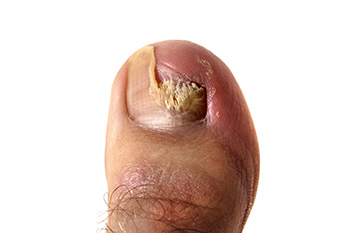
Toenail fungus, or onychomycosis, is an infection caused by fungi that thrive in warm, moist environments, such as sweaty shoes or near public pools. It often starts with a small white or yellow spot under the tip of the nail and can spread deeper, leading to thickened, discolored, and brittle nails. Symptoms include nail discoloration, including yellow, brown, or white, as well as nail thickening, crumbling edges, and sometimes a foul odor. The affected nails may become painful or difficult to trim over time. A podiatrist can diagnose toenail fungus by examining the nail and may take a sample for lab testing to confirm the infection. Treatment options range from topical antifungal creams and medicated nail lacquers to oral antifungal medications. Severe cases may require partial or complete nail removal. If you are dealing with this condition, it is suggested that you make an appointment with a podiatrist for evaluation and treatment.
If left untreated, toenail fungus may spread to other toenails, skin, or even fingernails. If you suspect you have toenail fungus it is important to seek treatment right away. For more information about treatment, contact one of our podiatrists of Jill Einhorn, DPM and James Einhorn, DPM. Our doctors can provide the care you need to keep you pain-free and on your feet.
Symptoms
Treatment
If self-care strategies and over-the-counter medications does not help your fungus, your podiatrist may give you a prescription drug instead. Even if you find relief from your toenail fungus symptoms, you may experience a repeat infection in the future.
Prevention
In order to prevent getting toenail fungus in the future, you should always make sure to wash your feet with soap and water. After washing, it is important to dry your feet thoroughly especially in between the toes. When trimming your toenails, be sure to trim straight across instead of in a rounded shape. It is crucial not to cover up discolored nails with nail polish because that will prevent your nail from being able to “breathe”.
In some cases, surgical procedure may be needed to remove the toenail fungus. Consult with your podiatrist about the best treatment options for your case of toenail fungus.
If you have any questions please contact our offices located in Brooklyn and Astoria, NY . We offer the newest diagnostic and treatment technologies for all your foot and ankle needs.

Ankle pain can come from a variety of sources, ranging from minor injuries to underlying health conditions. Common causes include sprains, fractures, tendon irritation, arthritis, or nerve compression. Repetitive movement, poor footwear, or uneven surfaces can also contribute to discomfort in the joint. Symptoms include aching, swelling, stiffness, bruising, or difficulty bearing weight. In some cases, the pain may be sharp and sudden, while in others it may develop slowly over time. Treatment depends on the cause, but may involve rest, elevation, compression, or the use of a brace or support. Targeted exercises, footwear changes, or custom orthotics may help in recovery and prevention. More severe cases might require medication or surgical evaluation. If your ankle pain is not improving or limits your mobility, it is suggested that you visit a podiatrist for a diagnosis and appropriate treatment.
Ankle pain can have many different causes and the pain may potentially be serious. If you have ankle pain, consult with one of our podiatrists from Jill Einhorn, DPM and James Einhorn, DPM. Our doctors will assess your condition and provide you with quality foot and ankle treatment.
Ankle pain is any condition that causes pain in the ankle. Due to the fact that the ankle consists of tendons, muscles, bones, and ligaments, ankle pain can come from a number of different conditions.
Causes
The most common causes of ankle pain include:
Symptoms
Symptoms of ankle injury vary based upon the condition. Pain may include general pain and discomfort, swelling, aching, redness, bruising, burning or stabbing sensations, and/or loss of sensation.
Diagnosis
Due to the wide variety of potential causes of ankle pain, podiatrists will utilize a number of different methods to properly diagnose ankle pain. This can include asking for personal and family medical histories and of any recent injuries. Further diagnosis may include sensation tests, a physical examination, and potentially x-rays or other imaging tests.
Treatment
Just as the range of causes varies widely, so do treatments. Some more common treatments are rest, ice packs, keeping pressure off the foot, orthotics and braces, medication for inflammation and pain, and surgery.
If you have any questions please feel free to contact our offices located in Brooklyn and Astoria, NY . We offer the newest diagnostic tools and technology to treat your foot and ankle needs.


 James and Jill Einhorn, DPM - Default