
(718) 891-2706

2616 Ave U | Brooklyn, NY 11229

(718) 278-8020

4105 31st Ave | Astoria, NY 11103
Like us on facebook
Follow us on twitter
Review us on google

Sprained Ankle Symptoms and Treatment

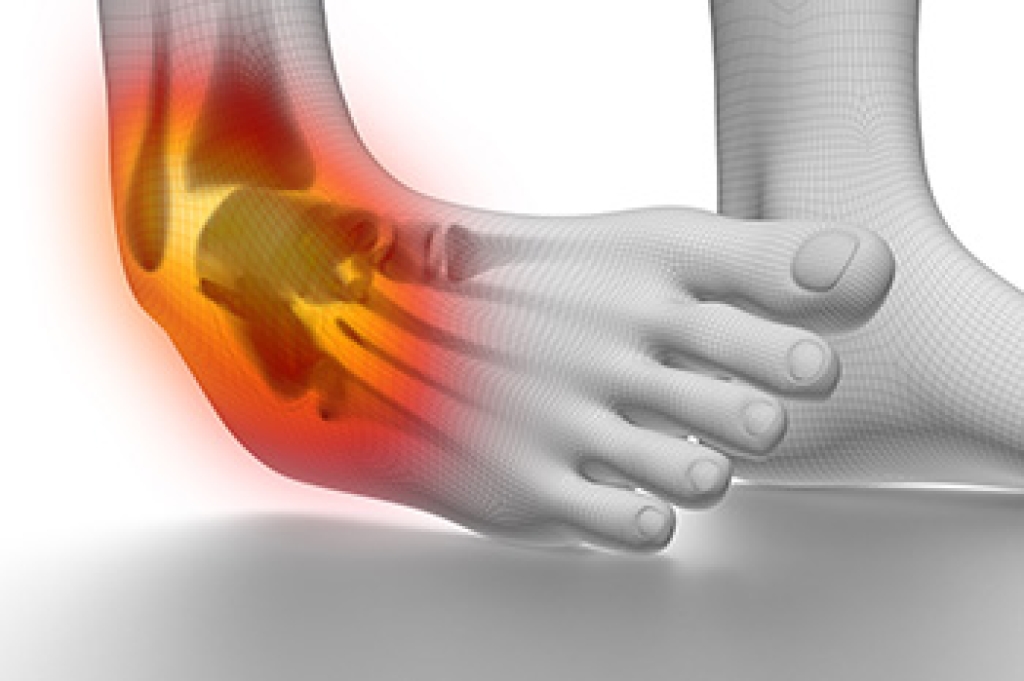
A sprained ankle is one of the most common injuries affecting the foot and ankle. It occurs when the ligaments, the strong bands of tissue that connect bones, are stretched or torn beyond their normal range. This injury usually happens when the foot twists, rolls, or turns suddenly. Sports activities, stepping on an uneven surface, and missing a step on a stairway or curb are frequent causes. Symptoms of a sprained ankle include pain, swelling, bruising, and tenderness. Some people have difficulty putting weight on the injured foot. Others notice stiffness and reduced movement in the ankle joint. The severity of a sprain can vary from a mild stretch of the ligament to a more serious tear.

A podiatrist can determine the extent of the injury through a physical examination. The ankle is carefully evaluated for swelling, stability, and range of motion. Diagnostic imaging, such as X-rays, may be used to rule out a fracture. In certain cases, an MRI, which is a detailed imaging test, helps identify damage to ligaments and nearby structures. Proper diagnosis is important because symptoms of a sprain can resemble those of other ankle injuries. Receiving prompt care can also reduce the risk of long-term instability. This condition occurs when the ankle repeatedly feels weak or gives way while walking.

Treatment depends on the severity of the sprain and the patient's activity level. A podiatrist may recommend a supportive brace, temporary activity restrictions, or other measures designed to protect the injured ankle while it heals. More severe ligament damage may require advanced treatment. Follow-up visits allow the podiatrist to monitor healing and determine when normal activities can safely resume. Early treatment can help improve stability, reduce discomfort, and support a smoother recovery. If you have symptoms of a sprained ankle, it is suggested that you schedule an appointment with a podiatrist for effective relief and treatment solutions.

Although ankle sprains are common, they aren’t always minor injuries. If you need your ankle injury looked at, contact one of our podiatrists from Jill Einhorn, DPM and James Einhorn, DPM. Our doctors can provide the care you need to keep you pain-free and on your feet.

How Does an Ankle Sprain Occur?

Ankle sprains are the result of a tear in the ligaments within the ankle. These injuries may happen when you make a rapid shifting movement while your foot is planted. A less common way to sprain your ankle is when your ankle rolls inward while your foot turns outward.

What Are the Symptoms?

  • Pain at the sight of the tear
  • Bruising/Swelling
  • Ankle area is tender to touch
  • In severe cases, may hear/feel something tear
  • Skin discoloration

Preventing a Sprain

  • Wearing appropriate shoes for the occasion
  • Stretching before exercises and sports
  • Knowing your limits

Treatment of a Sprain

In many cases, the RICE method (Rest, Ice, Compression, and Elevate) is used to treat ankle sprains. However, you should see a podiatrist to see which treatment option would work best with your injury. In severe cases, surgery may be required.

It is important to ask your doctor about rehab options after you receive treatment for your injury. Stretching, strength training, and balance exercises may help the ankle heal while also preventing further injury.

If you have any questions, please feel free to contact our offices located in Brooklyn and Astoria, NY . We offer the newest diagnostic and treatment technologies for all your foot care needs.

Read more about Ankle Sprains

Reasons Ankles May Swell

Swollen feet and ankles may develop when fluid builds up in the lower extremities, a condition known as edema. This swelling may appear gradually or suddenly. It causes the skin to look stretched or shiny and feel tight or heavy. Some people notice indentations in the skin after pressing on the area. Others experience discomfort when walking or wearing shoes. Causes of swollen feet or ankles include standing or sitting for a long time, injury, and circulation issues. Underlying medical conditions that affect fluid balance may also contribute. A podiatrist can evaluate the pattern and severity of swelling. Treatment includes compression therapy, elevation, and guidance on supportive footwear to improve circulation and reduce fluid buildup. Targeted exercises may be recommended to encourage movement and blood flow. Early evaluation helps prevent complications and improve comfort. If you have swollen feet and ankles, it is suggested that you make an appointment with a podiatrist.

Swollen feet can be a sign of an underlying condition. If you have any concerns, contact one of our podiatrists of Jill Einhorn, DPM and James Einhorn, DPM. Our doctors can provide the care you need to keep you pain-free and on your feet.

Swollen feet are a common ailment among pregnant women and people who stand or sit for extended periods. Aging may increase the possibility of swollen feet and patients who are obese often notice when their feet are swelling too. There may be medical reasons why swollen feet occur:

  • Phlebitis - A condition that causes the veins to become inflamed and can also cause leg pain.
  • Liver disease - This may lead to low blood levels of albumin which is a protein. This can cause fluid in the blood to pass into the tissues and several areas of the body can become swollen.
  • Heart failure - When the heart doesn’t pump properly the blood that is normally pumped back to the heart can pool in the veins of the legs causing swollen feet.
  • Kidney disease - One of the main functions of the kidneys is releasing excess fluid in the body. This type of condition can make it difficult for the kidneys to function properly, and as a result the feet may become swollen.
  • Deep-vein thrombosis (DVT)- This is a serious condition where blood clots form in the veins of the legs. They can block the return of blood from the legs to the heart which may cause the feet to swell. It is important to be treated by a podiatrist if this condition is present.

Swollen feet can also be caused by bone and tendon conditions, including fractures, arthritis, and tendinitis. Additionally, there may be skin and toenail conditions and an infection may cause the feet to swell. Patients who take medicine to treat high blood pressure may be prone to getting swollen feet. 

Many patients elevate their feet to help relieve the swelling and this is generally a temporary remedy. When a podiatrist is consulted the reason behind the swelling can be uncovered and subsequently treated.

If you have any questions please contact our offices located in Brooklyn and Astoria, NY . We offer the newest diagnostic and treatment technologies for all your foot and ankle needs.

Read more about Swelling of the Feet

Reasons for Ingrown Toenail Surgery

Ingrown toenail surgery is a common procedure used to treat toenails that grow into the surrounding skin and cause pain, swelling, and infection. This problem usually affects the big toe and can make wearing shoes or walking very uncomfortable. Common causes include trimming toenails too short, cutting the corners too deeply, and wearing tight-fitting shoes. Some people have naturally curved toenails that are more likely to grow into the skin. An ingrown toenail can also develop after a toe injury or repeated pressure from sports and other activities, like running. Symptoms include redness, tenderness, and drainage from the skin around the nail. In more serious cases, the area can become infected and produce swelling or pus.

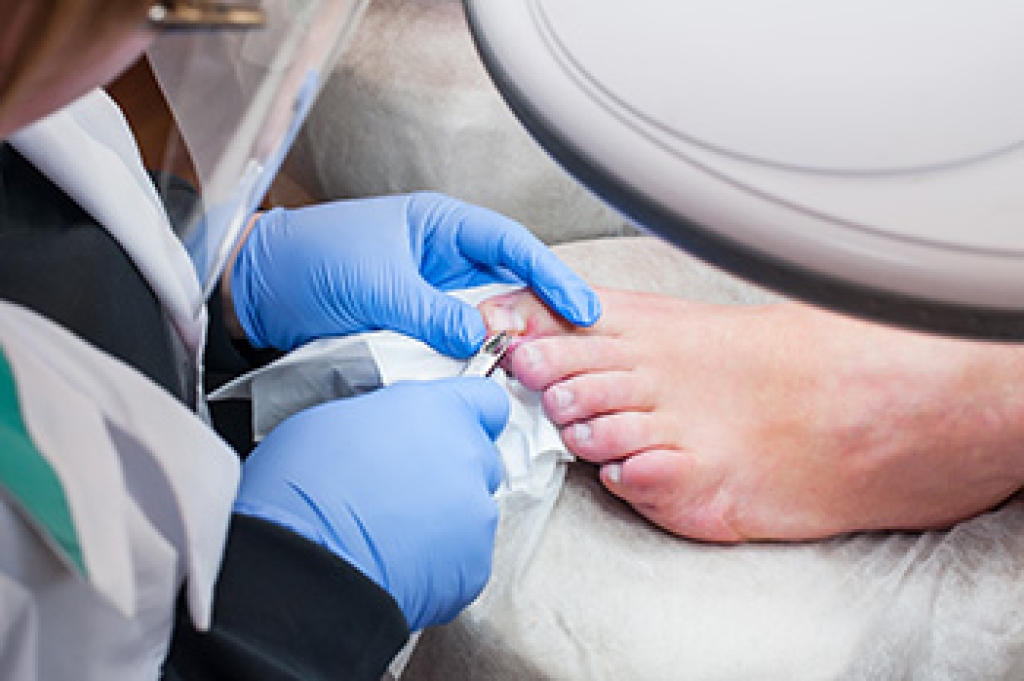
When the condition keeps returning or becomes infected, a podiatrist may recommend surgery to remove part of the nail. In severe cases, the entire nail may need to be removed. Before the procedure begins, the toe is cleaned and numbed with local anesthesia. This helps prevent pain during surgery. The podiatrist then removes the section of nail pressing into the skin. In some cases, the area that causes the nail to regrow is treated so the problem is less likely to return. This procedure is usually completed in a short office visit.

After surgery, the toe is covered with a bandage and should be kept clean and protected. People are often advised to wear loose-fitting shoes and limit pressure on the toe while healing. Mild soreness and redness can occur for a short time after the procedure. Following aftercare instructions carefully can help lower the risk of infection and support proper healing. Ingrown toenail surgery is generally safe and can provide long-term relief from pain and repeated infections. If you are undergoing surgery for an ingrown toenail, it is suggested that you make an appointment with a podiatrist.

Ingrown toenails can become painful if they are not treated properly. For more information about ingrown toenails, contact one of our podiatrists of Jill Einhorn, DPM and James Einhorn, DPM. Our doctors can provide the care you need to keep you pain-free and on your feet.

Ingrown Toenails

Ingrown toenails occur when a toenail grows sideways into the bed of the nail, causing pain, swelling, and possibly infection.

Causes

  • Bacterial infections
  • Improper nail cutting such as cutting it too short or not straight across
  • Trauma to the toe, such as stubbing, which causes the nail to grow back irregularly
  • Ill-fitting shoes that bunch the toes too close together
  • Genetic predisposition

Prevention

Wearing proper fitting shoes and using proper cutting techniques will also help decrease your risk of developing ingrown toenails.

Treatment

Ingrown toenails are a very treatable foot condition. In minor cases, soaking the affected area in salt or antibacterial soaps will not only help with the ingrown nail itself, but also help prevent any infections from occurring. In more severe cases, surgery is an option. In either case, speaking to your podiatrist about this condition will help you get a better understanding of specific treatment options that are right for you.

If you have any questions, please feel free to contact our offices located in Brooklyn and Astoria, NY . We offer the newest diagnostic and treatment technologies for all your foot care needs.

Read more about Ingrown Toenail Care

Heel Pain Can Be Treated!

Do you suffer from heel pain when you get up in the morning? If so, you should seek professional help and have a proper diagnosis performed. Heel pain can be caused by several different foot-related conditions.

Treating a Hammertoe Deformity

A hammertoe deformity develops when a toe bends abnormally at the middle joint, causing the toe to curl downward instead of lying flat. The second toe is most commonly affected. Hammertoes can develop from muscle and tendon imbalance, arthritis, or years of wearing tight shoes with a narrow toe box. Symptoms include toe pain, corns, calluses, and discomfort when walking or wearing shoes. Some people also develop pain in the ball of the foot because pressure shifts unevenly across the foot. A podiatrist can diagnose a hammertoe deformity through a foot exam and by checking the joints for signs of arthritis. Treatment includes wearing shoes with a wide toe box, protective toe pads, and custom orthotics to reduce pressure and improve foot alignment. Taping or splinting the toe can help support its position. In more severe cases, surgery can straighten the toe and relieve pain. If you are experiencing pain from a hammertoe deformity, it is suggested that you schedule an appointment with a podiatrist for appropriate treatment solutions.

Hammertoes can be a painful condition to live with. For more information, contact one of our podiatrists of Jill Einhorn, DPM and James Einhorn, DPM. Our doctors will answer any of your foot- and ankle-related questions.

Hammertoe

Hammertoe is a foot deformity that occurs due to an imbalance in the muscles, tendons, or ligaments that normally hold the toe straight. It can be caused by the type of shoes you wear, your foot structure, trauma, and certain disease processes.

Symptoms

  • Painful and/or difficult toe movement
  • Swelling
  • Joint stiffness
  • Calluses/Corns
  • Physical deformity

Risk Factors

  • Age – The risk of hammertoe increases with age
  • Sex – Women are more likely to have hammertoe compared to men
  • Toe Length – You are more likely to develop hammertoe if your second toe is longer than your big toe
  • Certain Diseases – Arthritis and diabetes may make you more likely to develop hammertoe

Treatment

If you have hammertoe, you should change into a more comfortable shoe that provides enough room for your toes. Exercises such as picking up marbles may strengthen and stretch your toe muscles. Nevertheless, it is important to seek assistance from a podiatrist in order to determine the severity of your hammertoe and see which treatment option will work best for you.

If you have any questions, please feel free to contact our offices located in Brooklyn and Astoria, NY . We offer the newest diagnostic and treatment technologies for all your foot care needs.

Read more about What Are Hammertoes?
Connect With Us