

(718) 891-2706

2616 Ave U | Brooklyn, NY 11229

(718) 278-8020

4105 31st Ave | Astoria, NY 11103
Like us on facebook
Follow us on twitter
Review us on google

How Pregnancy Can Affect Your Feet

Pregnancy brings many changes to the body, and the feet are no exception. As pregnancy progresses, increased body weight and changing hormone levels can place extra stress on the feet and ankles. Many women experience foot pain, swelling, or changes in the shape of their feet during this time. Some also notice that their arches become lower, which can cause the feet to become slightly longer or wider. These changes may affect balance and make standing or walking less comfortable. Because pregnancy-related foot problems can interfere with daily activities, a professional evaluation is important when symptoms become persistent or severe. Early care can help identify the cause of discomfort and determine the most appropriate treatment plan.


Several factors contribute to foot changes during pregnancy. Hormones that help prepare the body for childbirth can also loosen the ligaments that support the feet, making the joints more flexible. Combined with added pressure from weight gain, these changes may increase the risk of flat feet, heel pain, or discomfort in the arches. Swelling around the feet and ankles is also common and may make shoes feel tighter than usual. A comprehensive podiatry examination allows foot structure, joint function, and walking patterns to be carefully evaluated. Identifying these changes early can help reduce discomfort and support healthy foot function throughout pregnancy.


A podiatrist can evaluate pregnancy-related foot pain and recommend treatment based on each patient's individual needs. Professional care focuses on improving comfort, supporting proper foot mechanics, and addressing conditions that may develop during pregnancy. Treatment plans are designed with both maternal health and mobility in mind, while also monitoring changes as pregnancy progresses. Ongoing podiatry care may also help identify developing foot problems before they become more significant after delivery. If you are experiencing foot pain, swelling, or noticeable changes in your feet during pregnancy, it is suggested that you consult a podiatrist for an evaluation and appropriate treatment options.

Pregnant women with swollen feet can be treated with a variety of different methods that are readily available. For more information about other cures for swollen feet during pregnancy, consult with one of our podiatrists from Jill Einhorn, DPM and James Einhorn, DPM. Our doctors will attend to all of your foot and ankle needs.

What Foot Problems Can Arise During Pregnancy?

One problem that can occur is overpronation, which occurs when the arch of the foot flattens and tends to roll inward.  This can cause pain and discomfort in your heels while you’re walking or even just standing up, trying to support your baby.  

Another problem is edema, or swelling in the extremities. This often affects the feet during pregnancy but tends to occur in the later stages. 

How Can I Keep My Feet Healthy During Pregnancy?

  • Wearing orthotics can provide extra support for the feet and help distribute weight evenly
  • Minimize the amount of time spent walking barefoot
  • Wear shoes with good arch support
  • Wear shoes that allow for good circulation to the feet
  • Elevate feet if you experience swelling
  • Massage your feet
  • Get regular, light exercise, such as walking, to promote blood circulation to the feet

If you have any questions, please feel free to contact our offices located in Brooklyn and Astoria, NY . We offer the newest diagnostic and treatment technologies for all your foot care needs.

Read more about Foot Care for Pregnant Women

Wounds That Don't Heal Need to Be Checked

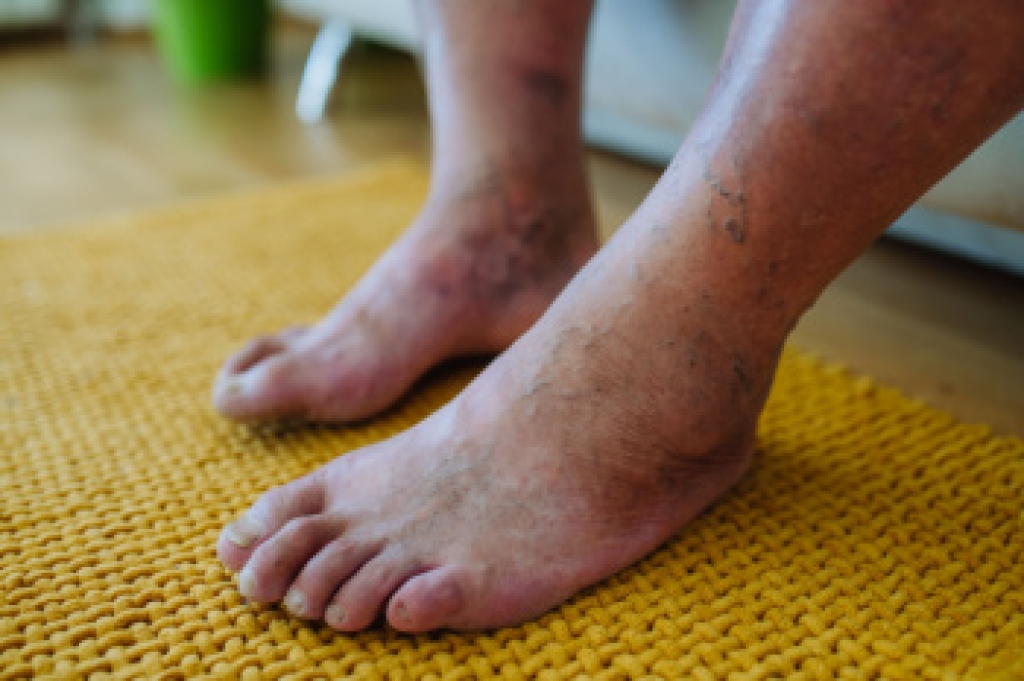
Your feet are covered most of the day. If you're diabetic, periodic screening is important for good health. Numbness is often a sign of diabetic foot and can mask a sore or wound.

Why Diabetic Foot Care Is So Important

Diabetes affects many parts of the body, including the feet. High blood sugar levels may damage nerves and reduce blood flow, making it harder for the feet to heal after an injury. Some people gradually lose feeling in their feet and may not notice cuts, blisters, or other injuries right away. Reduced circulation can also slow healing and increase the risk of infection. Because these changes often develop gradually, routine diabetic foot care is an important part of protecting long-term health. Warning signs include numbness, tingling, and burning sensations. Some people also notice swelling or changes in the appearance of the skin. Regular podiatry evaluations help identify problems early before they become more serious.


Diabetes-related foot problems affect mobility and overall quality of life if they are not recognized promptly. Even a small wound may become more difficult to heal when circulation is reduced or sensation is limited. In more advanced cases, untreated infections or ulcers can lead to significant complications. A comprehensive podiatry examination allows the feet to be evaluated for changes in skin health, circulation, and nerve function. A podiatrist can also identify early signs of pressure points or developing foot deformities that may increase the risk of future problems. Early diagnosis and ongoing monitoring are essential because many diabetes-related foot conditions respond best when addressed as soon as possible.


A podiatrist plays a vital role in helping patients with diabetes maintain healthy feet and reduce the risk of serious complications. Professional care focuses on detecting changes early, treating existing foot conditions, and preserving comfort and mobility. Treatment plans are tailored to each patient's needs while considering overall health and circulation. Regular podiatry visits also provide an opportunity to monitor foot health and address concerns before they progress. If you have diabetes and notice changes in your feet or experience persistent foot symptoms, it is suggested that you consult a podiatrist for an evaluation and appropriate treatment options.

Diabetic foot care is important in preventing foot ailments such as ulcers. If you are suffering from diabetes or have any other concerns about your feet, contact one of our podiatrists from Jill Einhorn, DPM and James Einhorn, DPM. Our doctors can provide the care you need to keep you pain-free and on your feet.

Diabetic Foot Care

Diabetes affects millions of people every year. The condition can damage blood vessels in many parts of the body, especially the feet. Because of this, taking care of your feet is essential if you have diabetes, and having a podiatrist help monitor your foot health is highly recommended.

The Importance of Caring for Your Feet

  • Routinely inspect your feet for bruises or sores.
  • Wear socks that fit your feet comfortably.
  • Wear comfortable shoes that provide adequate support.

Patients with diabetes should have their doctor monitor their blood levels, as blood sugar levels play such a huge role in diabetic care. Monitoring these levels on a regular basis is highly advised.

It is always best to inform your healthcare professional of any concerns you may have regarding your feet, especially for diabetic patients. Early treatment and routine foot examinations are keys to maintaining proper health, especially because severe complications can arise if proper treatment is not applied.

If you have any questions, please feel free to contact our offices located in Brooklyn and Astoria, NY . We offer the newest diagnostic and treatment technologies for all your foot care needs.
Read more about How to Care for Diabetic Foot

Signs and Causes of a Broken Pinky Toe

A broken pinky toe is a common foot injury that involves a fracture in the smallest toe. Despite its size, the pinky toe plays an important role in balance and weight distribution when walking. A fracture can occur from direct trauma or sudden impact and may range from a small crack to a more severe break. Because this injury can affect daily movement, understanding its definition and causes helps support timely care and proper healing.

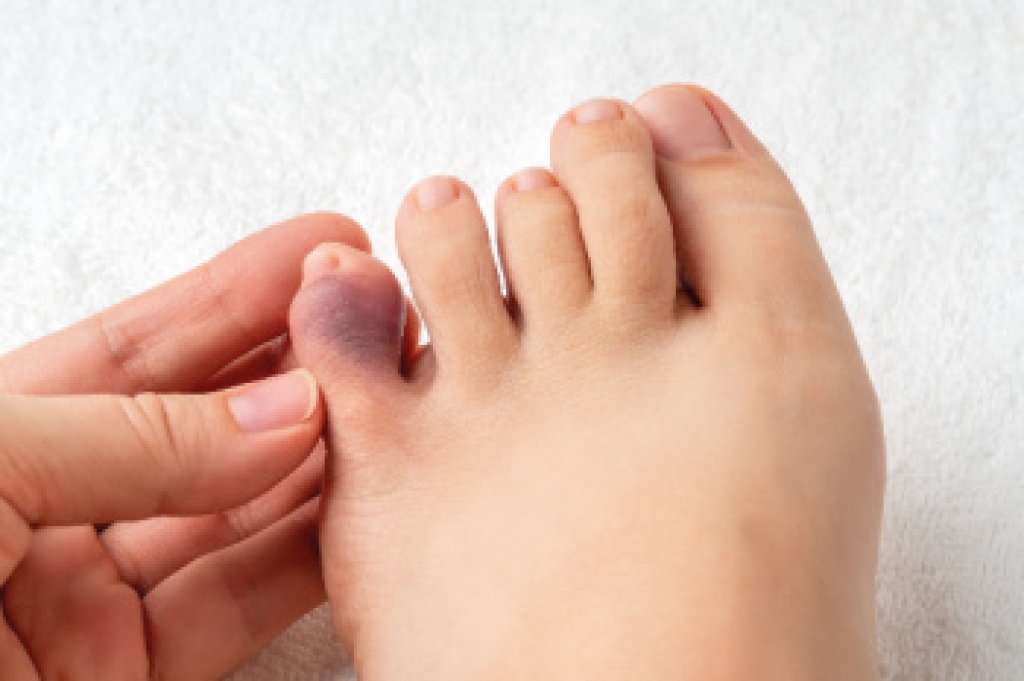
Symptoms of a broken pinky toe often appear quickly after injury. Pain is usually immediate and may worsen with pressure or walking. Swelling and bruising are common, and the skin around the toe may appear discolored. In some cases, the toe may look crooked or out of alignment, which can indicate a more serious fracture. Tenderness to touch and difficulty wearing shoes are also frequent signs. These symptoms may limit mobility and should not be ignored.


The most common causes of a broken pinky toe involve accidental impact. Dropping a heavy object on the foot can create enough force to fracture the bone. Stubbing the toe against furniture or walls is another frequent cause. Kicking a hard object, whether during sports or daily activity, can also lead to injury. These incidents often occur unexpectedly and may result in immediate pain and visible changes in the toe.


Risk factors for this injury include engaging in physical activities without protective footwear, walking barefoot in unsafe environments, and having reduced awareness of surroundings. Individuals with weakened bones or balance issues may also face higher risk. Prompt attention can help prevent complications and support proper alignment during healing. If you have a broken pinky toe, it is suggested that you consult a podiatrist for effective treatment solutions.

A broken toe can be very painful and lead to complications if not properly fixed. If you have any concerns about your feet, contact one of our podiatrists from Jill Einhorn, DPM and James Einhorn, DPM. Our doctors will treat your foot and ankle needs.

What to Know About a Broken Toe

Although most people try to avoid foot trauma such as banging, stubbing, or dropping heavy objects on their feet, the unfortunate fact is that it is a common occurrence. Given the fact that toes are positioned in front of the feet, they typically sustain the brunt of such trauma. When trauma occurs to a toe, the result can be a painful break (fracture).

Symptoms of a Broken Toe

  • Throbbing pain
  • Swelling
  • Bruising on the skin and toenail
  • The inability to move the toe
  • Toe appears crooked or disfigured
  • Tingling or numbness in the toe

Generally, it is best to stay off of the injured toe with the affected foot elevated.

Severe toe fractures may be treated with a splint, cast, and in some cases, minor surgery. Due to its position and the pressure it endures with daily activity, future complications can occur if the big toe is not properly treated.

If you have any questions, please feel free to contact our offices located in Brooklyn and Astoria, NY . We offer the newest diagnostic and treatment technologies for all your foot care needs.
Read more about What to Know About a Broken Toe

Bunions and Effective Ways to Manage Foot Alignment

A bunion is a structural foot condition that develops as a bony bump at the base of the big toe. It forms when the top of the toe shifts out of alignment, causing it to lean toward the others. This misalignment places pressure on the joint and surrounding tissues, often leading to discomfort over time. Bunions are a progressive condition, meaning they can worsen without proper care. They are more commonly seen in women, largely due to footwear choices and anatomical differences in foot structure.


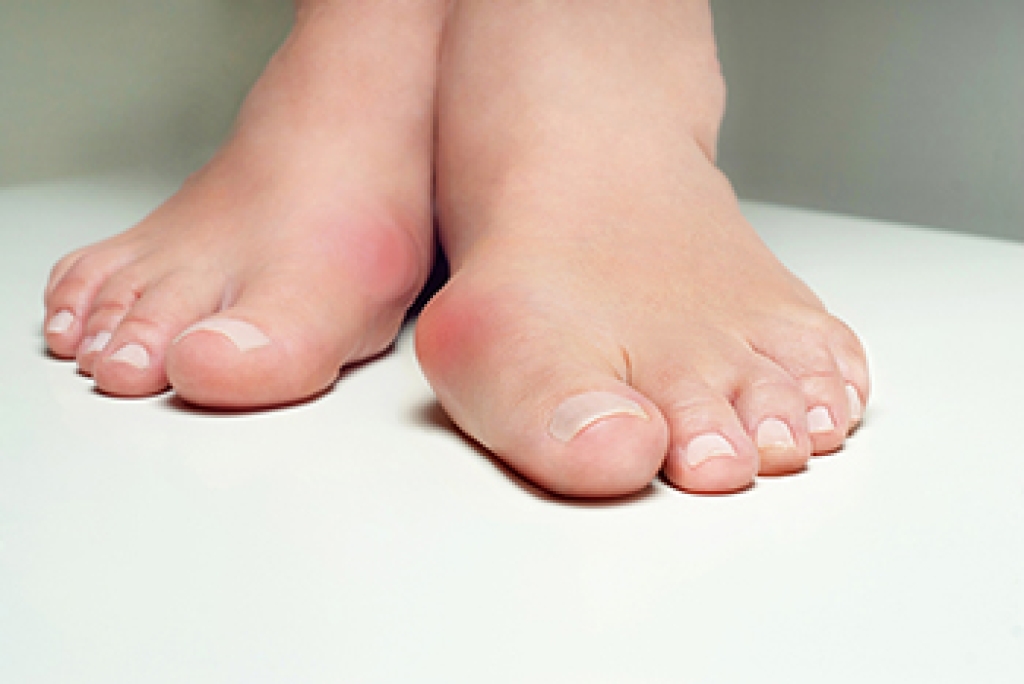
Pain from a bunion often begins with visible swelling at the base of the big toe. The area may appear red, inflamed, and tender to the touch. Many individuals experience pain when walking or wearing shoes, especially styles that compress the toes. As the condition progresses, stiffness and limited movement in the joint may develop. Some individuals also notice thickened skin or callus formation due to repeated friction against footwear.


Several causes contribute to bunion development. Wearing high-heeled shoes or tight-fitting footwear places excessive pressure on the front of the foot and forces the toes into an unnatural position. Genetics also play a significant role, as inherited foot structure can increase the likelihood of joint misalignment. Hormonal changes during pregnancy or menopause may further weaken supportive tissues, allowing the condition to progress. Over time, these combined factors can lead to persistent discomfort and structural changes in the foot.


Risk factors include prolonged use of narrow shoes, family history of bunions, occupations that require extended standing, and underlying foot mechanics. Women are at higher risk due to footwear habits and ligament flexibility. Managing bunions involves wearing supportive shoes, reducing pressure on the joint, and maintaining proper foot alignment. Early care can help slow progression and improve comfort. If you have a painful or uncomfortable bunion, it is suggested that you consult a podiatrist for effective relief and management solutions.

If you are suffering from bunions, contact one of our podiatrists of Jill Einhorn, DPM and James Einhorn, DPM. Our doctors can provide the care you need to keep you pain-free and on your feet.

What Is a Bunion?

A bunion is formed of swollen tissue or an enlargement of boney growth, usually located at the base joint of the toe that connects to the foot. The swelling occurs due to the bones in the big toe shifting inward, which impacts the other toes of the foot. This causes the area around the base of the big toe to become inflamed and painful.

Why Do Bunions Form?

Genetics – Susceptibility to bunions are often hereditary

Stress on the feet – Poorly fitted and uncomfortable footwear that places stress on feet, such as heels, can worsen existing bunions

How Are Bunions Diagnosed?

Podiatrists often perform two tests – blood tests and x-rays – when trying to diagnose bunions, especially in the early stages of development. Blood tests help determine if the foot pain is being caused by something else, such as arthritis, while x-rays provide a clear picture of your bone structure to your provider.

How Are Bunions Treated?

  • Refrain from wearing heels or similar shoes that cause discomfort
  • Select wider shoes that can provide more comfort and reduce pain
  • Anti-inflammatory and pain management drugs
  • Orthotics or foot inserts
  • Surgery

If you have any questions, please feel free to contact our offices located in Brooklyn and Astoria, NY . We offer the newest diagnostic and treatment technologies for all your foot care needs.

Read more about Bunions
Connect With Us