



You don't need an excuse to have beautiful nails. Step outside without worrying about the appearance of your feet.
You don't need an excuse to have beautiful nails. Step outside without worrying about the appearance of your feet.
 When the feet and ankles are strong and flexible, the benefits typically extend to the entire body. There are numerous bones, tendons and muscles that the feet are comprised of. If the feet are in top physical condition, they may act as an effective shock absorber and this may ensure that daily activities such as walking and running can be performed with ease. There are several yoga postures that may aid in strengthening the toes and feet. A simple practice that may be done is to sit back on your heels while kneeling. As this is performed, the tops of the feet will automatically stretch, which may promote strong feet. To strengthen the toes and top of the foot, try to firmly stand tall. While lifting the inner toes off the ground, keep the big toe and pinky toe stationary. Additionally, frequent massages may benefit the general health of the feet, and you may want to engage in these practices as often as possible.
Stretching the feet is a great way to prevent injuries. If you have any concerns with your feet consult with one of our podiatrists from Jill Einhorn, DPM and James Einhorn, DPM. Our doctors will assess your condition and provide you with quality foot and ankle treatment.
Stretching the Feet
Stretching the muscles in the foot is an important part in any physical activity. Feet that are tight can lead to less flexibility and make you more prone to injury. One of the most common forms of foot pain, plantar fasciitis, can be stretched out to help ease the pain. Stretching can not only ease pain from plantar fasciitis but also prevent it as well. However, it is important to see a podiatrist first if stretching is right for you. Podiatrists can also recommend other ways to stretch your feet. Once you know whether stretching is right for you, here are some excellent stretches you can do.
It is best to go easy when first stretching your foot and work your way up. If your foot starts hurting, stop exercising and ice and rest the foot. It is advised to then see a podiatrist for help.
If you have any questions please contact our offices located in Brooklyn and Astoria, NY . We offer the newest diagnostic and treatment technologies for all your foot and ankle needs.

Do you suffer from heel pain when you get up in the morning? If so, you should seek professional help and have a proper diagnosis performed. Heel pain can be caused by several different foot-related conditions.
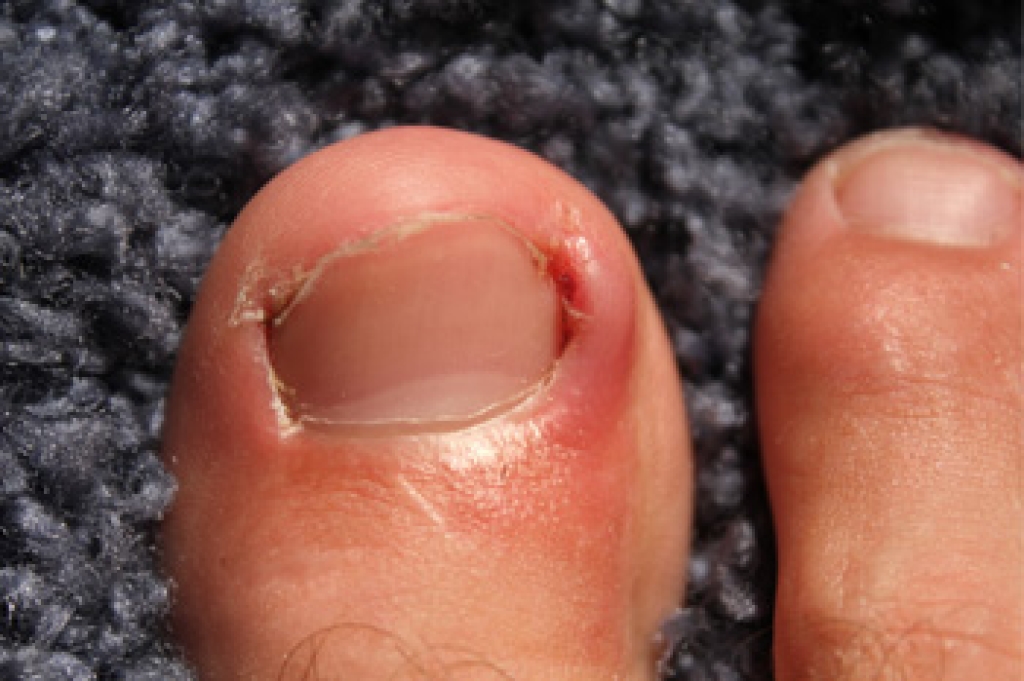 Many people who have experienced an ingrown toenail are aware of the pain and discomfort that is often associated with this condition. A healthy toenail will grow over the skin and will be normal in appearance. An ingrown toenail will most likely be the result of a nail that grows into the skin, often appearing red and swollen. It may typically become infected and it’s beneficial that treatment commences as quickly as possible. There are several causes of why ingrown toenails may develop, and these may include cutting the nails incorrectly, wearing socks and shoes that are too tight, or possibly from an inherited trait. The toenail and surrounding area may often be tender, and in severe cases, you may notice liquid draining from the nail bed. If you feel you are experiencing symptoms of an ingrown toenail, it’s suggested to consult with a podiatrist.
Ingrown toenails may initially present themselves as a minor discomfort, but they may progress into an infection in the skin without proper treatment. For more information about ingrown toenails, contact one of our podiatrists of Jill Einhorn, DPM and James Einhorn, DPM. Our doctors can provide the care you need to keep you pain-free and on your feet.
Ingrown Toenails
Ingrown toenails are caused when the corner or side of a toenail grows into the soft flesh surrounding it. They often result in redness, swelling, pain, and in some cases, infection. This condition typically affects the big toe and may recur if it is not treated properly.
Causes
You are more likely to develop an ingrown toenail if you are obese, have diabetes, arthritis, or have any fungal infection in your nails. Additionally, people who have foot or toe deformities are at a higher risk of developing an ingrown toenail.
Symptoms
Some symptoms of ingrown toenails are redness, swelling, and pain. In rare cases, there may be a yellowish drainage coming from the nail.
Treatment
Ignoring an ingrown toenail can have serious complications. Infections of the nail border can progress to a deeper soft-tissue infection, which can then turn into a bone infection. You should always speak with your podiatrist if you suspect you have an ingrown toenail, especially if you have diabetes or poor circulation.
If you have any questions, please feel free to contact our offices located in Brooklyn and Astoria, NY . We offer the newest diagnostic and treatment technologies for all your foot care needs.

Custom orthotics, or shoe inserts, should be periodically replaced. Orthotics must fit properly to give you the best results. Protect your feet and ankles!