
(718) 891-2706

2616 Ave U | Brooklyn, NY 11229

(718) 278-8020

4105 31st Ave | Astoria, NY 11103
Like us on facebook
Follow us on twitter
Review us on google

Heel and Forefoot Pain Conditions

Inferior calcaneal bursitis is inflammation of the fluid-filled sac beneath the heel bone, causing pain when standing or walking, especially after rest. Medial and lateral plantar nerve entrapment happens when nerves in the sole of the foot become compressed. This can affect either the inner side of the sole or the outer side. This can cause burning, tingling, numbness, or shooting pain in the arch or sole that may worsen with activity. Metatarsal joint pain involves inflammation in the forefoot joints, leading to aching or sharp discomfort when bearing weight. These foot conditions may develop from overuse, improper footwear, high-impact activities, abnormal foot structure, or injury. Risk factors include prolonged standing, excess weight, and repetitive strain. If you have pain in this area of your foot, it is suggested that you consult a podiatrist who can diagnose the problem, order imaging, and recommend orthotics or footwear changes, to restore function effectively.

Foot Pain

Foot pain can be extremely painful and debilitating. If you have a foot pain, consult with one of our podiatrists from Jill Einhorn, DPM and James Einhorn, DPM. Our doctors will assess your condition and provide you with quality foot and ankle treatment.

Causes

Foot pain is a very broad condition that could be caused by one or more ailments. The most common include:

  • Bunions
  • Hammertoes
  • Plantar Fasciitis
  • Bone Spurs
  • Corns
  • Tarsal Tunnel Syndrome
  • Ingrown Toenails
  • Arthritis (such as Gout, Rheumatoid, and Osteoarthritis)
  • Flat Feet
  • Injury (from stress fractures, broken toe, foot, ankle, Achilles tendon ruptures, and sprains)
  • And more

Diagnosis

To figure out the cause of foot pain, podiatrists utilize several different methods. This can range from simple visual inspections and sensation tests to X-rays and MRI scans. Prior medical history, family medical history, and any recent physical traumatic events will all be taken into consideration for a proper diagnosis.

Treatment

Treatment depends upon the cause of the foot pain. Whether it is resting, staying off the foot, or having surgery; podiatrists have a number of treatment options available for foot pain.

If you have any questions, please feel free to contact our offices located in Brooklyn and Astoria, NY . We offer the newest diagnostic and treatment technologies for all your foot care needs.


Read more about Foot Pain

How Down Syndrome Can Affect Foot Health

Down syndrome can affect the feet in several ways, often leading to pain and difficulty with walking. Many people with this condition have flat feet, which means the arch is low or absent, causing the foot to roll inward and affect balance. The front of the foot may also be wider than average, increasing the risk of a bunion, a bony bump that forms at the base of the big toe. Skin problems like calluses and dry or cracked skin are also common and can become painful. Toenail issues, including fungal or ingrown nails, may develop as well. Many of these changes can make it harder to find properly fitting shoes and may lead to ongoing foot pain. A podiatrist can evaluate foot structure, manage skin and nail conditions, and provide custom orthotic devices to improve alignment and support. If you or a loved one have foot pain resulting from Down syndrome, it is suggested that you make an appointment with a podiatrist for treatment.

When dealing with systemic disease of the feet, it is extremely important to check the affected areas routinely so that any additional problems are caught quickly.  If you have any concerns about your feet and ankles contact one of our podiatrists from Jill Einhorn, DPM and James Einhorn, DPM. Our doctors will assist you with all of your podiatric needs.

Systemic Diseases of the Feet

Systemic diseases affect the whole body, and symptoms usually are displayed in the feet. This condition can make a patient’s ability to walk unbearable.  Systemic diseases include gout, diabetes mellitus, neurological disorders, and arthritis.

Gout – is caused by an excess of uric acid in the body. Common symptoms include pain, inflammation, and redness at the metatarsal/phalangeal joint of the base big toe. Gout can be treated by NSAIDs to relieve pain and inflammation, and other drugs that lower the acid levels in the body.

Diabetes mellitus – is an increase in the level of blood sugar that the body cannot counteract with its own insulin. Failure to produce enough insulin is a factor in Diabetes.

Diabetes of the Feet

Diabetic Neuropathy – may lead to damaged nerves and affect the feet through numbness and loss of sensation.

Peripheral Vascular Disease – can restrict the blood flow to the feet, and often times lead to amputation of the feet. 

If you have any questions please contact our offices located in Brooklyn and Astoria, NY . We offer the newest diagnostic and treatment technologies for all your foot and ankle needs.

Read more about Systemic Diseases of the Foot

Comparing a Sprained or Broken Ankle

Ankle pain can come from different injuries, and two of the most important to understand are sprains and fractures. A sprain occurs when ligaments, the strong bands that hold bones together, are stretched or torn. This often happens after the ankle twists, leading to swelling, bruising, and pain with movement. A fracture means a break in one or more bones of the ankle joint. Fractures usually cause sudden, severe pain, visible swelling, and difficulty putting weight on the foot. In some cases, the ankle may appear misshapen. A podiatrist can perform a detailed exam to assess joint stability and order X-rays and other imaging to confirm the diagnosis. Treatment options include bracing, immobilization, or surgery, depending on the type of injury and severity. Early evaluation helps prevent long-term joint damage and instability. If you are experiencing severe ankle pain, it is suggested that you make an emergency appointment with a podiatrist for medical treatment.

Ankle pain can have many different causes and the pain may potentially be serious. If you have ankle pain, consult with one of our podiatrists from Jill Einhorn, DPM and James Einhorn, DPM. Our doctors will assess your condition and provide you with quality foot and ankle treatment.

Ankle pain is any condition that causes pain in the ankle. Due to the fact that the ankle consists of tendons, muscles, bones, and ligaments, ankle pain can come from a number of different conditions.

Causes

The most common causes of ankle pain include:

  • Types of arthritis (rheumatoid, osteoarthritis, and gout)
  • Ankle sprains
  • Broken ankles
  • Achilles tendinitis
  • Achilles tendon rupture
  • Stress fractures
  • Tarsal tunnel syndrome
  • Plantar fasciitis

Symptoms

Symptoms of ankle injury vary based upon the condition. Pain may include general pain and discomfort, swelling, aching, redness, bruising, burning or stabbing sensations, and/or loss of sensation.

Diagnosis

Due to the wide variety of potential causes of ankle pain, podiatrists will utilize a number of different methods to properly diagnose ankle pain. This can include asking for personal and family medical histories and of any recent injuries. Further diagnosis may include sensation tests, a physical examination, and potentially x-rays or other imaging tests.

Treatment

Just as the range of causes varies widely, so do treatments. Some more common treatments are rest, ice packs, keeping pressure off the foot, orthotics and braces, medication for inflammation and pain, and surgery.

If you have any questions please feel free to contact our offices located in Brooklyn and Astoria, NY . We offer the newest diagnostic tools and technology to treat your foot and ankle needs.

Read more about Ankle Pain

Why Live with Pain and Numbness in Your Feet?

Suffering from this type of pain? You may have the foot condition known as Morton's neuroma. Morton's neuroma may develop as a result of ill-fitting footwear and existing foot deformities. We can help.

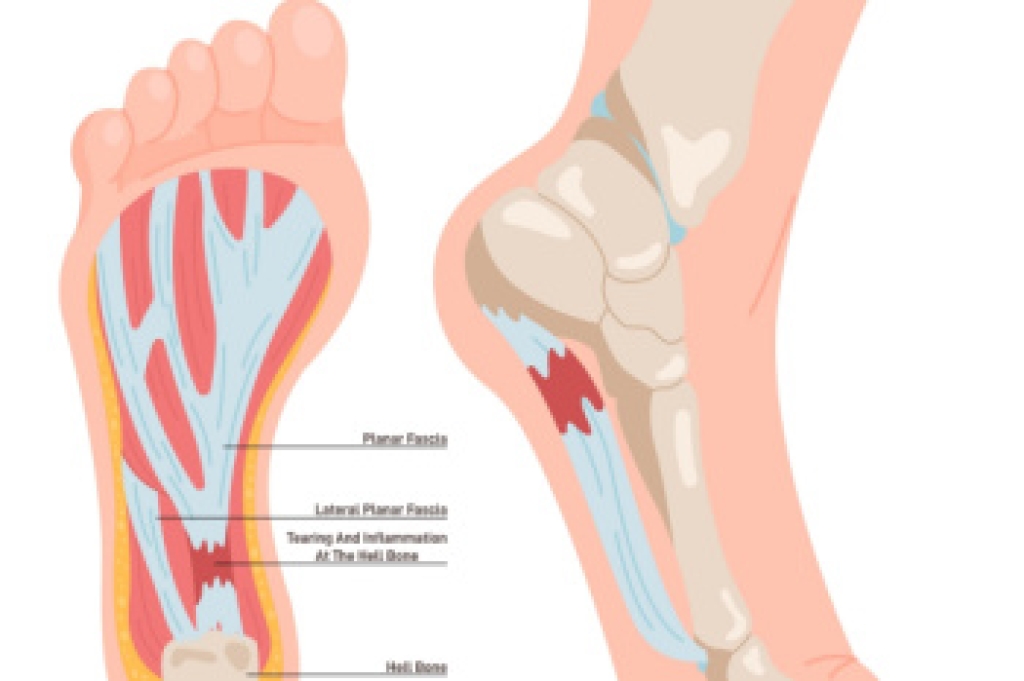
Plantar Fasciitis and Footwear Choices

Plantar fasciitis involves inflammation of the thick band of tissue that supports the arch of the foot. It often develops when improper footwear fails to provide adequate support or cushioning, placing excessive strain on the heel and arch. Symptoms include sharp heel pain, stiffness, and discomfort that is often worse in the morning or after periods of rest. Risk factors include prolonged standing, high-impact activities, flat feet, high arches, and wearing unsupportive shoes. A podiatrist can diagnose the condition, recommend proper footwear, prescribe custom orthotics, and develop a treatment plan to reduce pain and improve function. Plantar fasciitis can be painful, and may cause difficulty in completing daily activities. If you have consistent heel pain, it is suggested that you consult a podiatrist who can accurately diagnose the problem.

Plantar fasciitis can be very painful and inconvenient. If you are experiencing heel pain or symptoms of plantar fasciitis, contact one of our podiatrists  from Jill Einhorn, DPM and James Einhorn, DPM. Our doctors can provide the care you need to keep you pain-free and on your feet.

What Is Plantar Fasciitis?

Plantar fasciitis is the inflammation of the thick band of tissue that runs along the bottom of your foot, known as the plantar fascia, and causes mild to severe heel pain.

What Causes Plantar Fasciitis?

  • Excessive running
  • Non-supportive shoes
  • Overpronation
  • Repeated stretching and tearing of the plantar fascia

How Can It Be Treated?

  • Conservative measures – anti-inflammatories, ice packs, stretching exercises, physical therapy, orthotic devices
  • Shockwave therapy – sound waves are sent to the affected area to facilitate healing and are usually used for chronic cases of plantar fasciitis
  • Surgery – usually only used as a last resort when all else fails. The plantar fascia can be surgically detached from the heel

While very treatable, plantar fasciitis is definitely not something that should be ignored. Especially in severe cases, speaking to your doctor right away is highly recommended to avoid complications and severe heel pain. Your podiatrist can work with you to provide the appropriate treatment options tailored to your condition.

If you have any questions, please feel free to contact our offices located in Brooklyn and Astoria, NY . We offer the newest diagnostic and treatment technologies for all your foot care needs.

Read more about Plantar Fasciitis
Connect With Us