
(718) 891-2706

2616 Ave U | Brooklyn, NY 11229

(718) 278-8020

4105 31st Ave | Astoria, NY 11103
Like us on facebook
Follow us on twitter
Review us on google

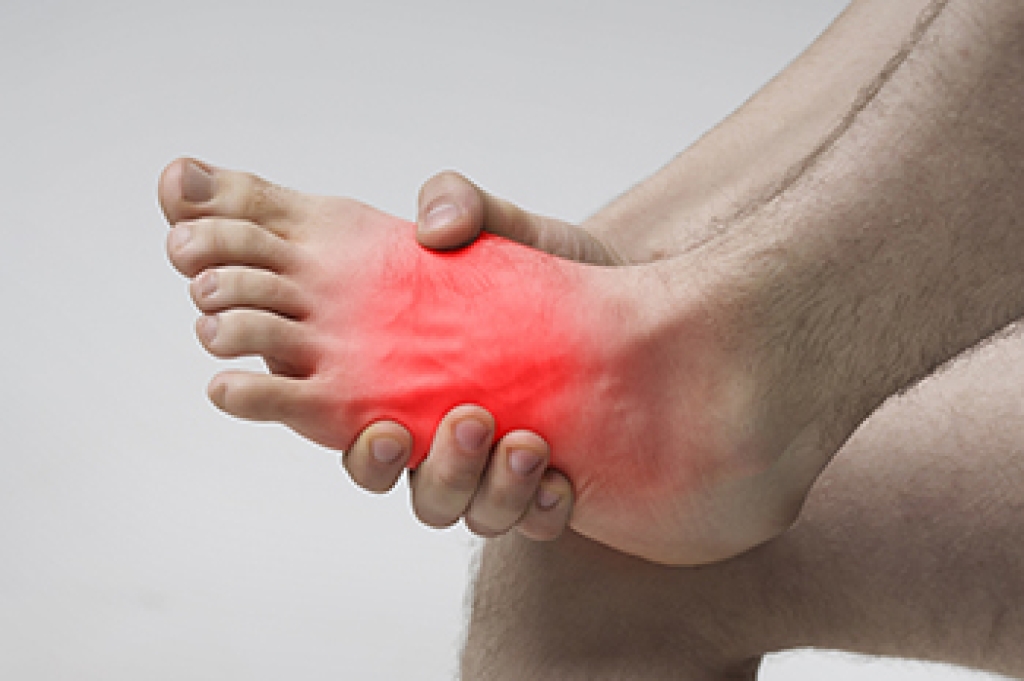
Explaining a Mid-Foot Stress Fracture

A mid-foot stress fracture is a small crack in one of the bones in the middle of the foot. It often affects the navicular bone, which helps support body weight when walking and running. This fracture develops gradually from repeated impact, such as running, jumping, or sudden increases in activity. Risk factors include training on a hard surface, foot alignment problems, and wearing shoes that lack adequate support. Symptoms include tenderness, swelling, and a deep, aching pain that worsens when bearing weight. Because signs can be subtle, the injury is sometimes missed without proper imaging. A podiatrist can examine the foot, check for areas of pain, and order imaging scans or X-rays to confirm the diagnosis. Treatment options include a cast, custom orthotics, or surgery in more severe cases. If you have symptoms of mid-foot pain, it is suggested that you make an appointment with a podiatrist for diagnosis and treatment.

Activities where too much pressure is put on the feet can cause stress fractures. To learn more, contact one of our podiatrists from Jill Einhorn, DPM and James Einhorn, DPM. Our doctors can provide the care you need to keep your pain free and on your feet.

Dealing with Stress Fractures of the Foot and Ankle

Stress fractures occur in the foot and ankle when muscles in these areas weaken from too much or too little use.  The feet and ankles then lose support when walking or running from the impact of the ground. Since there is no protection, the bones receive the full impact of each step. Stress on the feet can cause cracks to form in the bones, thus creating stress fractures.

What Are Stress Fractures?

Stress fractures occur frequently in individuals whose daily activities cause great impact on the feet and ankles. Stress factors are most common among:

  • Runners                                
  • People affected with Osteoporosis
  • Tennis or basketball players
  • Gymnasts
  • High impact workouts

Symptoms

Pain from the fractures occur in the area of the fractures and can be constant or intermittent. It will often cause sharp or dull pain with swelling and tenderness. Engaging in any kind of activity which involves high impact will aggravate pain.

If you have any questions please contact our offices located in Brooklyn and Astoria, NY . We offer the newest diagnostic and treatment technologies for all your foot and ankle needs.

Read more about Stress Fractures of the Foot and Ankle

What Is Achilles Tendinopathy?

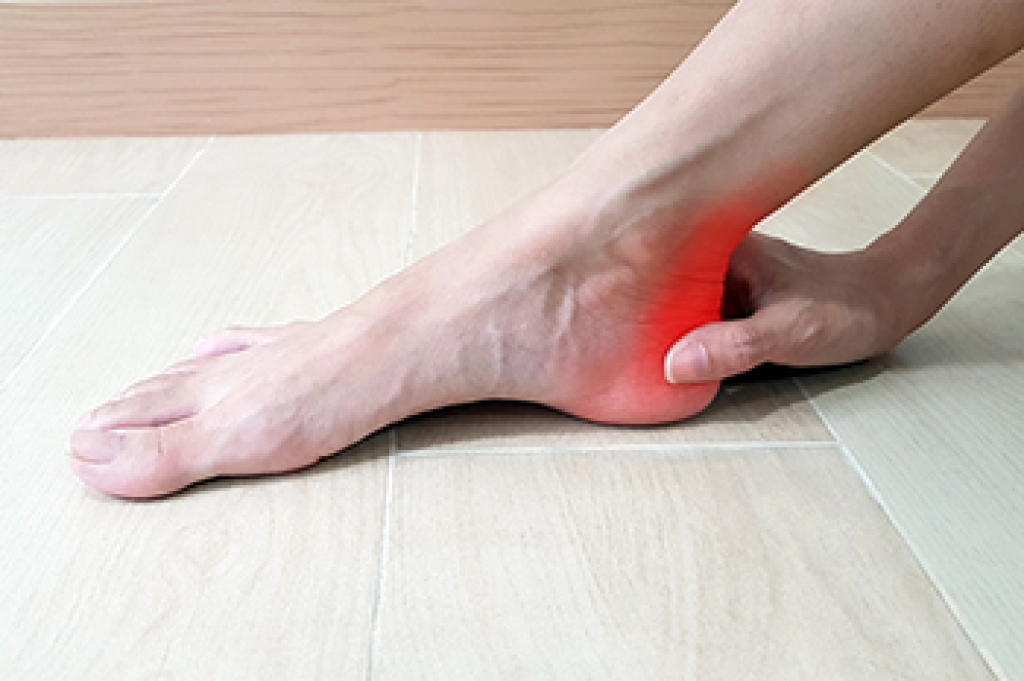
Achilles tendinopathy involves irritation and degeneration of the strong tendon that connects the calf muscles to the heel. It usually develops gradually from overuse, especially in runners or people who suddenly increase activity levels. Pain is typically felt along the back of the heel or lower leg, and may be worse with the first steps in the morning or after periods of rest. The area may appear thickened, swollen, or tender to touch. Stiffness can limit movement while walking or exercising. Without proper care, symptoms may last longer and become more painful. A podiatrist can assess the tendon, evaluate gait and foot structure, and identify contributing factors. Treatment includes activity modification,  wearing supportive footwear, custom orthotics, and targeted exercises to improve flexibility and strength. In more advanced cases, additional therapies or procedures may be recommended. If you have Achilles tendon pain, it is suggested that you schedule an appointment with a podiatrist for appropriate treatment solutions.

Achilles tendon injuries need immediate attention to avoid future complications. If you have any concerns, contact one of our podiatrists of Jill Einhorn, DPM and James Einhorn, DPM. Our doctors can provide the care you need to keep you pain-free and on your feet.

What Is the Achilles Tendon?

The Achilles tendon is a tendon that connects the lower leg muscles and calf to the heel of the foot. It is the strongest tendon in the human body and is essential for making movement possible. Because this tendon is such an integral part of the body, any injuries to it can create immense difficulties and should immediately be presented to a doctor.

What Are the Symptoms of an Achilles Tendon Injury?

There are various types of injuries that can affect the Achilles tendon. The two most common injuries are Achilles tendinitis and ruptures of the tendon.

Achilles Tendinitis Symptoms

  • Inflammation
  • Dull to severe pain
  • Increased blood flow to the tendon
  • Thickening of the tendon

Rupture Symptoms

  • Extreme pain and swelling in the foot
  • Total immobility

Treatment and Prevention

Achilles tendon injuries are diagnosed by a thorough physical evaluation, which can include an MRI. Treatment involves rest, physical therapy, and in some cases, surgery. However, various preventative measures can be taken to avoid these injuries, such as:

  • Thorough stretching of the tendon before and after exercise
  • Strengthening exercises like calf raises, squats, leg curls, leg extensions, leg raises, lunges, and leg presses

If you have any questions please feel free to contact our offices located in Brooklyn and Astoria, NY . We offer the newest diagnostic tools and technology to treat your foot and ankle needs.

Read more about What are Achilles Tendon Injuries

Recognizing Foot or Ankle Pain in Children

Foot and ankle pain in children can happen for many reasons, especially during growth and sports activities. Repeated running, jumping, and minor injuries often place stress on developing bones, joints, and soft tissue. Some children may have heel pain from growth plate irritation. Others may develop pain from flat feet, ankle sprains, or overuse injuries. Younger children may limp or avoid putting weight on the foot, while older children can usually point to the exact area of pain. Swelling, stiffness, or pain that gets worse with activity should not be ignored. A podiatrist can examine how the child walks, check foot structure and joint movement, and order imaging tests to confirm the cause. Treatment includes custom orthotics, bracing, or other care to reduce pain and protect healthy growth. If your child exhibits foot or ankle pain, it is suggested that you schedule an appointment with a podiatrist for expert advice and guidance.

The health of a child’s feet is vital to their overall well-being. If you have any questions regarding foot health, contact one of our podiatrists of Jill Einhorn, DPM and James Einhorn, DPM. Our doctors can provide the care you need to keep you pain-free and on your feet.

Tips for Keeping Children's Feet Healthy

  • Make sure their shoes fit properly
  • Look for any signs of in-toeing or out-toeing
  • Check to see if they have Clubfoot (condition that affects your child’s foot and ankle, twisting the heel and toes inward) which is one of the most common nonmajor birth defects.
  • Lightly cover your baby’s feet (Tight covers may keep your baby from moving their feet freely, and could prevent normal development)
  • Allow your toddler to go shoeless (Shoes can be restricting for a young child’s foot)
  • Cut toenails straight across to avoid ingrown toenails
  • Keep your child’s foot clean and dry
  • Cover cuts and scrapes. Wash any scratches with soap and water and cover them with a bandage until they’ve healed.

If you have any questions, please feel free to contact our offices located in Brooklyn and Astoria, NY . We offer the newest diagnostic and treatment technologies for all your foot care needs.

Read more about How to Care for Your Child's Feet

Reminder: When Was the Last Time...?

Custom orthotics, or shoe inserts, should be periodically replaced. Orthotics must fit properly to give you the best results. Protect your feet and ankles!

Pros and Cons of Ankle Fusion Surgery

Ankle fusion surgery is used to treat severe ankle pain, often caused by advanced osteoarthritis that damages the joint. In this procedure, the ankle bones are joined so the joint no longer moves. This can help to reduce pain by stopping bone-on-bone contact when you move. One of the main benefits of ankle fusion surgery is strong pain relief and improved stability, which can make standing and walking easier. However, there are important drawbacks. For instance, the ankle loses its natural motion, which can affect balance and change walking patterns. In addition, nearby joints may take on more stress, which can lead to additional discomfort. Recovery can take months, as the bones heal and fuse into one solid structure. A podiatrist can assess your symptoms, review X-rays, and determine if this procedure is the right option based on your condition. If you have severe ankle pain, it is suggested that you make an appointment with a podiatrist for help.

Foot surgery is sometimes necessary to treat a foot ailment. To learn more, contact one of our podiatrists of Jill Einhorn, DPM and James Einhorn, DPM. Our doctors will assist you with all of your foot and ankle needs.

When Is Surgery Necessary?

Foot and ankle surgery is generally reserved for cases in which less invasive, conservative procedures have failed to alleviate the problem. Some of the cases in which surgery may be necessary include:

  • Removing foot deformities like bunions and bone spurs
  • Severe arthritis that has caused bone issues
  • Cosmetic reconstruction

What Types of Surgery Are There?

The type of surgery you receive will depend on the nature of the problem you have. Some of the possible surgeries include:

  • Bunionectomy for painful bunions
  • Surgical fusion for realignment of bones
  • Neuropathy decompression surgery to treat nerve damage

Benefits of Surgery

Although surgery is usually a last resort, it can provide more complete pain relief compared to non-surgical methods and may allow you to finally resume full activity.

Surgical techniques have also become increasingly sophisticated. Techniques like endoscopic surgery allow for smaller incisions and faster recovery times.

If you have any questions, please feel free to contact our offices located in Brooklyn and Astoria, NY . We offer the newest diagnostic and treatment technologies for all your foot care needs.

Read more about Foot Surgery
Connect With Us