



If left untreated, an ingrown toenail can lead to more serious concerns, such as an infection. Knowing proper nail care can help in the prevention of an ingrown toenail. Give us a call, and get treated!
If left untreated, an ingrown toenail can lead to more serious concerns, such as an infection. Knowing proper nail care can help in the prevention of an ingrown toenail. Give us a call, and get treated!
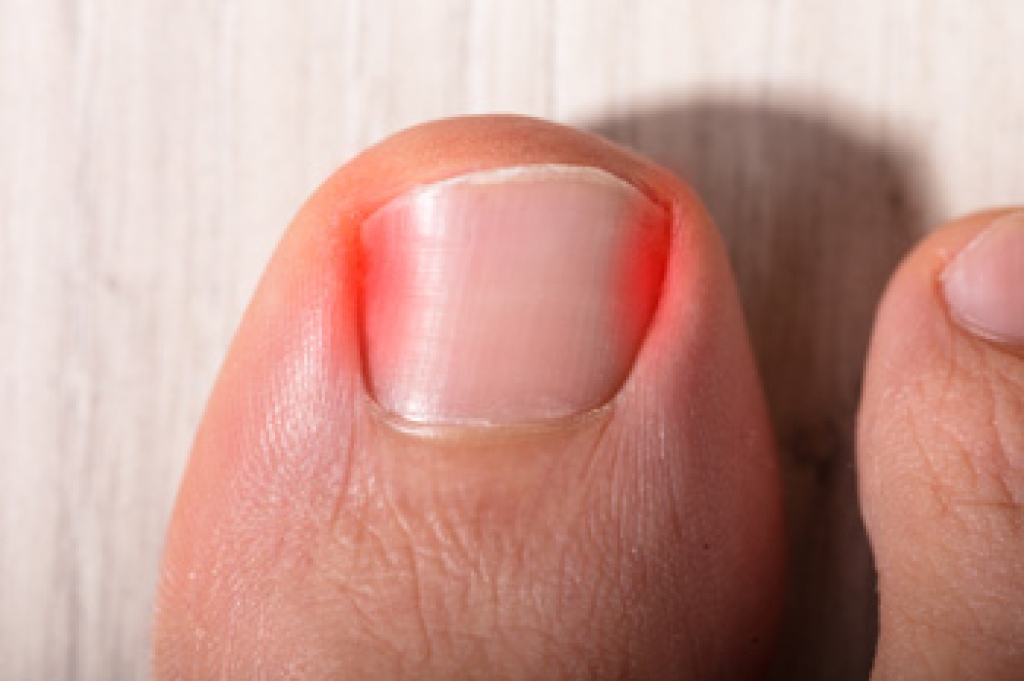
An ingrown toenail develops when the edge of a toenail grows into the surrounding skin instead of growing straight outward. The condition usually affects the big toe and can become increasingly painful as the nail continues to press into the skin. Wearing shoes that are too tight or shoes that lack proper support can increase pressure on the toes and contribute to the problem. Improper nail trimming and toe injuries also can increase the risk. Symptoms include pain, redness, and tenderness along the edge of the nail. As the condition becomes more severe, the skin can become infected and produce drainage. Patients with diabetes or poor circulation should receive prompt evaluation because infections can become more serious when healing is slower.
A podiatrist performs a detailed examination to determine the severity of the ingrown toenail and whether an infection is present. The evaluation includes checking the skin around the nail, the shape of the nail, and the overall health of the foot. The podiatrist also looks for swelling, drainage, or extra tissue that has developed around the edge of the nail because these changes can indicate that the condition has progressed. Early diagnosis allows treatment to begin before the nail grows deeper into the skin or the infection becomes more difficult to treat. A complete evaluation also helps identify factors that increase the chance of the problem returning.
Treatment depends on the severity of the ingrown toenail and whether the surrounding skin is infected. A podiatrist can safely remove the portion of the nail that is growing into the skin to relieve pressure and reduce pain. Patients with repeated ingrown toenails can benefit from a procedure that removes part of the nail root to help prevent the nail from growing into the skin again. Regular follow-up visits allow the podiatrist to monitor healing and confirm that the toe is recovering properly. The goal is to relieve pain, protect the toe from infection, and restore normal foot function. If you have symptoms of ingrown toenails, it is suggested that you schedule an appointment with a podiatrist for diagnosis and treatment.
Ingrown toenails may initially present themselves as a minor discomfort, but they may progress into an infection in the skin without proper treatment. For more information about ingrown toenails, contact one of our podiatrists of Jill Einhorn, DPM and James Einhorn, DPM. Our doctors can provide the care you need to keep you pain-free and on your feet.
Ingrown Toenails
Ingrown toenails are caused when the corner or side of a toenail grows into the soft flesh surrounding it. They often result in redness, swelling, pain, and in some cases, infection. This condition typically affects the big toe and may recur if it is not treated properly.
Causes
You are more likely to develop an ingrown toenail if you are obese, have diabetes, arthritis, or have any fungal infection in your nails. Additionally, people who have foot or toe deformities are at a higher risk of developing an ingrown toenail.
Symptoms
Some symptoms of ingrown toenails are redness, swelling, and pain. In rare cases, there may be a yellowish drainage coming from the nail.
Treatment
Ignoring an ingrown toenail can have serious complications. Infections of the nail border can progress to a deeper soft-tissue infection, which can then turn into a bone infection. You should always speak with your podiatrist if you suspect you have an ingrown toenail, especially if you have diabetes or poor circulation.
If you have any questions, please feel free to contact our offices located in Brooklyn and Astoria, NY . We offer the newest diagnostic and treatment technologies for all your foot care needs.

Foot care refers to the daily practices that protect skin integrity, maintain proper hygiene, and support healthy biomechanics. Many people overlook their feet until discomfort begins, yet consistent care can prevent common conditions such as dry skin, calluses, and arch strain. Healthy feet rely on clean skin, proper moisture balance, and wearing supportive footwear. Without these basics, minor issues can progress into chronic problems that affect mobility and quality of life. Establishing a routine creates a strong foundation for overall foot health.
Symptoms of poor foot care often begin subtly. Individuals may notice dry or cracked heels, mild redness, or a burning sensation after long periods of standing. Over time, neglected care may lead to thickened skin, painful fissures, or even infections. Risk factors include wearing improper footwear, skipping daily hygiene, and prolonged exposure to moisture. Walking barefoot indoors can also increase exposure to bacteria or lead to minor injuries that go unnoticed. These small habits can gradually weaken the skin barrier and lead to discomfort.
Daily care should include washing feet with mild soap and warm water, followed by thoroughly drying, especially between the toes. Gently scrubbing dry areas helps remove dead skin and prevent buildup. Wearing well-fitted shoes with proper arch support reduces strain and protects against injury. Breathable socks help control moisture and reduce friction. While walking barefoot indoors may feel comfortable, it is important to ensure floors are clean and free of hazards. Incorporating simple yoga based foot stretches can improve circulation and maintain flexibility.
Consistency is the key takeaway for maintaining healthy feet. Small daily actions create lasting benefits and reduce the risk of more serious conditions. Paying attention to early symptoms allows for timely intervention and better outcomes. If you have foot pain and everyday foot care tips are not enough to relieve discomfort, it is suggested that you consult a podiatrist for an accurate diagnosis and effective relief solutions.
Everyday foot care is very important to prevent infection and other foot ailments. If you need your feet checked, contact one of our podiatrists from Jill Einhorn, DPM and James Einhorn, DPM. Our doctors can provide the care you need to keep you pain-free and on your feet.
Everyday Foot Care
Often, people take care of their bodies, face and hair more so than they do for their feet. But the feet are a very important aspect of our bodies, and one that we should pay more attention to. Without our feet, we would not be able to perform most daily tasks.
It is best to check your feet regularly to make sure there are no new bruises or cuts that you may not have noticed before. For dry feet, moisturizer can easily be a remedy and can be applied as often as necessary to the affected areas. Wearing shoes that fit well can also help you maintain good foot health, as well as making it easier to walk and do daily activities without the stress or pain of ill-fitting shoes, high heels, or even flip flops. Wearing clean socks with closed shoes is important to ensure that sweat and bacteria do not accumulate within the shoe. Clean socks help to prevent Athlete’s foot, fungi problems, bad odors, and can absorb sweat.
If you have any questions, please feel free to contact our offices located in Brooklyn and Astoria, NY . We offer the newest diagnostic and treatment technologies for all your foot care needs.
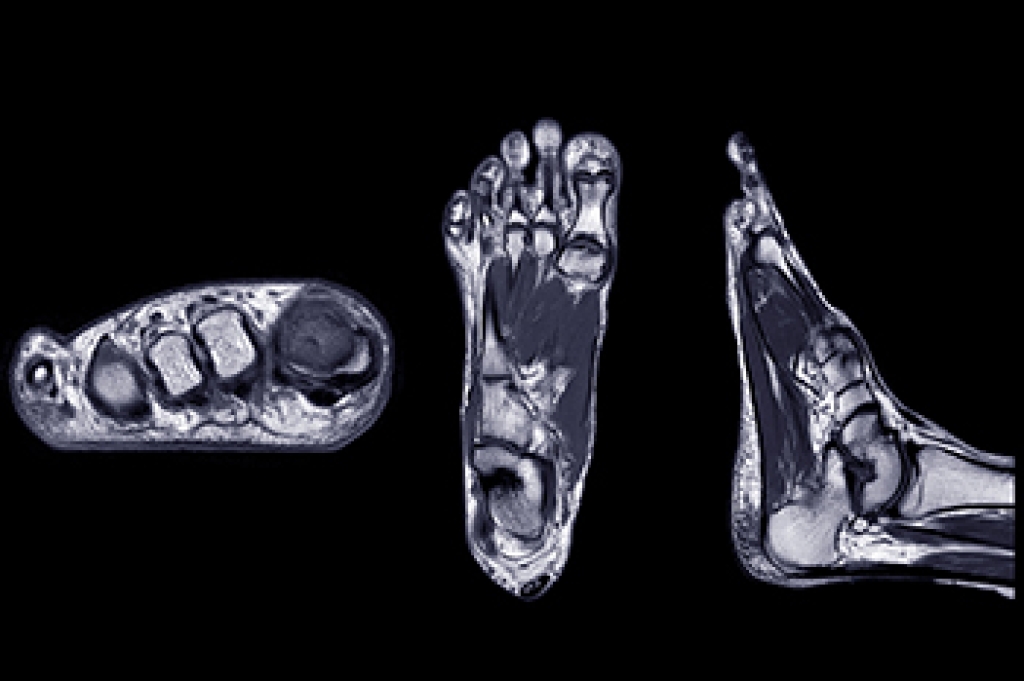
Osteomyelitis is a serious bone infection that can affect the feet and ankles. It can begin when bacteria enter through a wound, ulcer, or deep cut. People with diabetes, poor circulation, or reduced feeling in the feet face a higher risk. Because sensation can be limited, a small sore can become infected before pain is noticed. Warning signs can include swelling, redness, and drainage from a wound. Some patients also develop fever or deep foot pain. In the foot, osteomyelitis can damage bone and nearby tissue when it is not treated promptly.
A podiatrist can help identify osteomyelitis through a careful foot exam and a review of your health history. The exam includes checking the wound, skin color, and blood flow. It also includes looking for areas of pressure that can slow healing. X-rays can show bone changes, but early infection does not always appear right away. An MRI, which creates detailed pictures of bone and soft tissue, can help confirm the diagnosis. Lab tests can also help find the type of bacteria causing the infection.
Treatment depends on how severe the infection is and how much bone is involved. A podiatrist can clean the wound, remove damaged tissue, and coordinate antibiotic treatment. Antibiotics are medicines that fight bacterial infection. In some cases, surgery is needed to remove infected bone and protect the rest of the foot. A podiatrist can also help reduce pressure on the affected area with medical padding, special shoes, or a custom device. Prompt care is important because osteomyelitis can lead to long-term foot damage. If you have symptoms of osteomyelitis, it is suggested that you make an appointment with a podiatrist for diagnosis and treatment.
Foot Pain
Foot pain can be extremely painful and debilitating. If you have a foot pain, consult with one of our podiatrists from Jill Einhorn, DPM and James Einhorn, DPM. Our doctors will assess your condition and provide you with quality foot and ankle treatment.
Causes
Foot pain is a very broad condition that could be caused by one or more ailments. The most common include:
Diagnosis
To figure out the cause of foot pain, podiatrists utilize several different methods. This can range from simple visual inspections and sensation tests to X-rays and MRI scans. Prior medical history, family medical history, and any recent physical traumatic events will all be taken into consideration for a proper diagnosis.
Treatment
Treatment depends upon the cause of the foot pain. Whether it is resting, staying off the foot, or having surgery; podiatrists have a number of treatment options available for foot pain.
If you have any questions, please feel free to contact our offices located in Brooklyn and Astoria, NY . We offer the newest diagnostic and treatment technologies for all your foot care needs.

You don't need an excuse to have beautiful nails. Step outside without worrying about the appearance of your feet.