(718) 891-2706

2616 Ave U | Brooklyn, NY 11229

(718) 278-8020

4105 31st Ave | Astoria, NY 11103
Like us on facebook
Follow us on twitter
Review us on google

Who Needs an Ankle Brachial Index Test?

Peripheral artery disease, also known as PAD, is a condition that results in poor circulation to the lower limbs. Typical symptoms of PAD include leg pain or muscle cramps when walking, numbness, weakness, or coldness in your legs. An ankle brachial index is a quick, noninvasive, and painless test used to screen for PAD. The measurements can highlight any potential problems, like blockages or partial blockages in blood flow to your extremities.To do this test, a doctor simply takes your blood pressure at your arms and at your ankles and compares the numbers to come up with a numerical ratio that represents your risk of having or developing PAD. While anyone can get the ankle brachial index test, people who have pre-existing risk factors for developing PAD are especially encouraged to undergo this screening. Risk factors include a history of smoking, high blood pressure, high cholesterol, diabetes, and atherosclerosis. For more information about the ankle brachial index and other tests for PAD, speak with a podiatrist today.

Vascular testing plays an important part in diagnosing disease like peripheral artery disease. If you have symptoms of peripheral artery disease, or diabetes, consult with one of our podiatrists from Jill Einhorn, DPM and James Einhorn, DPM. Our doctors will assess your condition and provide you with quality foot and ankle treatment.

What Is Vascular Testing?

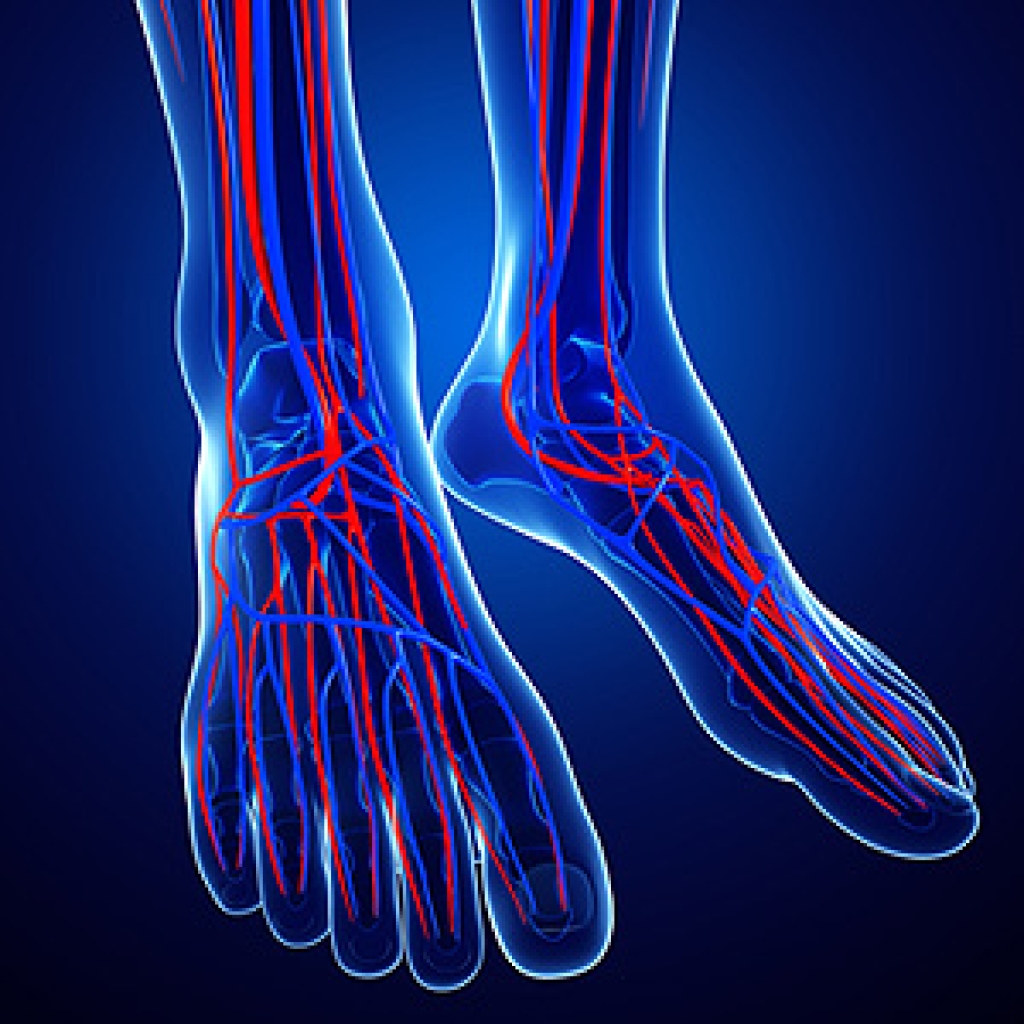
Vascular testing checks for how well blood circulation is in the veins and arteries. This is most often done to determine and treat a patient for peripheral artery disease (PAD), stroke, and aneurysms. Podiatrists utilize vascular testing when a patient has symptoms of PAD or if they believe they might. If a patient has diabetes, a podiatrist may determine a vascular test to be prudent to check for poor blood circulation.

How Is it Conducted?

Most forms of vascular testing are non-invasive. Podiatrists will first conduct a visual inspection for any wounds, discoloration, and any abnormal signs prior to a vascular test.

 The most common tests include:

  • Ankle-Brachial Index (ABI) examination
  • Doppler examination
  • Pedal pulses

These tests are safe, painless, and easy to do. Once finished, the podiatrist can then provide a diagnosis and the best course for treatment.

If you have any questions please contact our offices located in Brooklyn and Astoria, NY . We offer the newest diagnostic and treatment technologies for all your foot and ankle needs.

Read more about Vascular Testing in Podiatry

Plantar Warts Can Be Treated!

Plantar warts are small growths that develop on parts of the feet that bear weight. They're typically found on the bottom of the foot. Don't live with plantar warts, and call us today!

Should I Use Custom Orthotics?

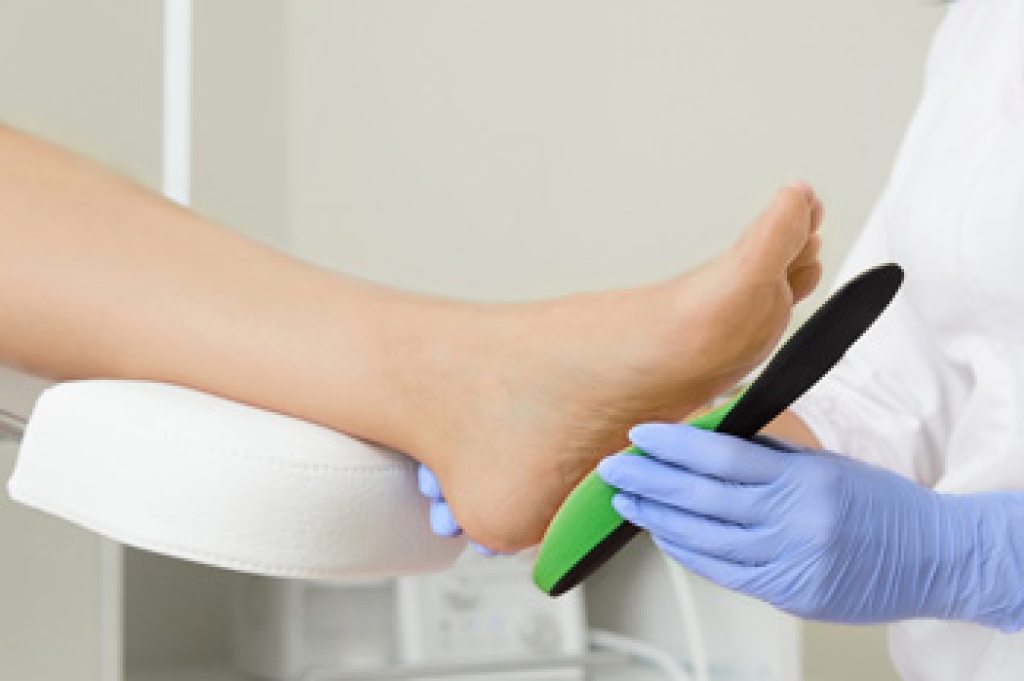
Orthotics are devices used to help correct, support, and align different ailments, injuries, or deformities the body may be experiencing. Orthotics are often a common method of treatment in the world of podiatry, acting as a supportive and corrective device for a number of different conditions. Most orthotics come prefabricated, but a podiatrist can take the time to have a fitting with their patients, making sure it’s custom molded for their needs. It’s essential to get a proper fitting orthotic device, that way you can prevent any additional issues from developing. Some common foot conditions orthotics have been known to help are bunions, plantar fasciitis, heel spurs, and neuromas. If you have a foot condition you believe could benefit from the aid of an orthotic device, please consult with a podiatrist for their professional advice and a proper fitting consultation.

If you are having discomfort in your feet and would like to try orthotics, contact one of our podiatrists from Jill Einhorn, DPM and James Einhorn, DPM. Our doctors can provide the care you need to keep you pain-free and on your feet.

What Are Orthotics?

Orthotics are inserts you can place into your shoes to help with a variety of foot problems such as flat feet or foot pain. Orthotics provide relief and comfort for minor foot and heel pain but can’t correct serious biomechanical problems in your feet.

Over-the-Counter Inserts

Orthotics come in a wide variety of over-the-counter inserts that are used to treat foot pain, heel pain, and minor problems. For example, arch supports can be inserted into your shoes to help correct overarched or flat feet, while gel insoles are often used because they provide comfort and relief from foot and heel pain by alleviating pressure.

Prescription Orthotics

If over-the-counter inserts don’t work for you or if you have a more severe foot concern, it is possible to have your podiatrist prescribe custom orthotics. These high-quality inserts are designed to treat problems such as abnormal motion, plantar fasciitis, and severe forms of heel pain. They can even be used to help patients suffering from diabetes by treating foot ulcers and painful calluses and are usually molded to your feet individually, which allows them to provide full support and comfort.

If you are experiencing minor to severe foot or heel pain, it’s recommended to speak with your podiatrist about the possibilities of using orthotics. A podiatrist can determine which type of orthotic is right for you and allow you to take the first steps towards being pain-free.

If you have any questions, please feel free to contact our offices located in Brooklyn and Astoria, NY . We offer the newest diagnostic and treatment technologies for all your foot care needs.

Read more about Foot Orthotics

Do I Have Morton’s Neuroma?

Morton’s neuroma can occur when nerve tissue swells or grows abnormally, causing damage to the nerves. Morton’s neuroma specifically affects the intermetatarsal plantar nerve found in the foot. Some symptoms of this condition may include a burning sensation in the ball of your foot and tingling, or a numbing feeling in your toes. The most popular symptom related to Morton’s neuroma is feeling as if a pebble is stuck in your shoe. For a proper diagnosis, please consult with a podiatrist if you believe you’re experiencing symptoms of Morton’s neuroma.

Morton’s neuroma is a very uncomfortable condition to live with. If you think you have Morton’s neuroma, contact one of our podiatrists of Jill Einhorn, DPM and James Einhorn, DPM. Our doctors will attend to all of your foot care needs and answer any of your related questions.  

Morton’s Neuroma

Morton's neuroma is a painful foot condition that commonly affects the areas between the second and third or third and fourth toe, although other areas of the foot are also susceptible. Morton’s neuroma is caused by an inflamed nerve in the foot that is being squeezed and aggravated by surrounding bones.

What Increases the Chances of Having Morton’s Neuroma?

  • Ill-fitting high heels or shoes that add pressure to the toe or foot
  • Jogging, running or any sport that involves constant impact to the foot
  • Flat feet, bunions, and any other foot deformities

Morton’s neuroma is a very treatable condition. Orthotics and shoe inserts can often be used to alleviate the pain on the forefront of the feet. In more severe cases, corticosteroids can also be prescribed. In order to figure out the best treatment for your neuroma, it’s recommended to seek the care of a podiatrist who can diagnose your condition and provide different treatment options.

If you have any questions, please feel free to contact our offices located in Brooklyn and Astoria, NY . We offer the newest diagnostic and treatment technologies for all your foot care needs.

Read more about Morton's Neuroma

Sever’s Disease: An Overuse Injury

Sever’s disease, also known as calcaneal apophysitis, is not a disease at all, but rather an overuse injury. This condition affects the growth plate of the heel bone and is therefore most common in children and teenagers who are still rapidly growing. Sever’s disease causes inflammation in the heel, stiffness in the foot, and pain when standing, walking, running or jumping that usually improves with rest. Children who are involved in sports are the most at risk for developing Sever’s disease because they put frequent, repetitive pressure on the heel. Other risk factors for developing this condition include wearing ill-fitting shoes, having flat arches or pronated feet, and obesity. If your child is experiencing heel pain and stiffness, it is recommended that you take them to a podiatrist for treatment.

Sever's disease often occurs in children and teens. If your child is experiencing foot or ankle pain, see one of our podiatrists from Jill Einhorn, DPM and James Einhorn, DPM. Our doctors can treat your child’s foot and ankle needs.

Sever’s Disease

Sever’s disease is also known as calcaneal apophysitis, which is a medical condition that causes heel pain I none or both feet. The disease is known to affect children between the ages of 8 and 14.

Sever’s disease occurs when part of the child’s heel known as the growth plate (calcaneal epiphysis) is attached to the Achilles tendon. This area can suffer injury when the muscles and tendons of the growing foot do not keep pace with bone growth. Therefore, the constant pain which one experiences at the back of the heel will make the child unable to put any weight on the heel. The child is then forced to walk on their toes.

Symptoms

Acute pain – Pain associated with Sever’s disease is usually felt in the heel when the child engages in physical activity such as walking, jumping and or running.

Highly active – Children who are very active are among the most susceptible in experiencing Sever’s disease, because of the stress and tension placed on their feet.

If you have any questions, please feel free to contact our offices located in Brooklyn and Astoria, NY . We offer the newest diagnostic and treatment technologies for all your foot care needs.

Read more about Sever's Disease
Connect With Us