



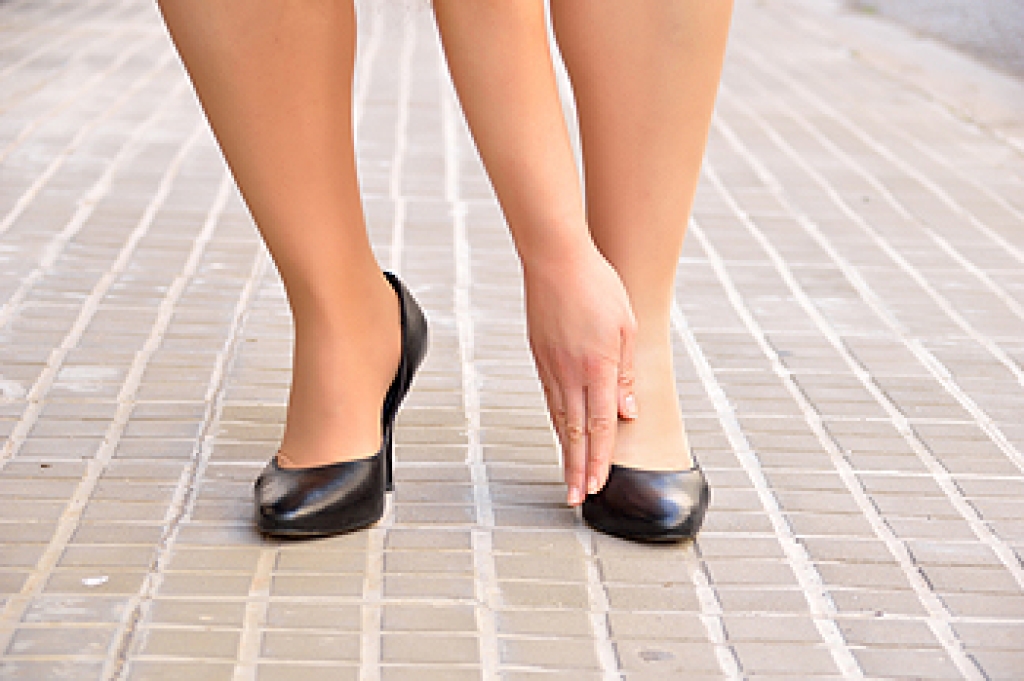
 Many women enjoy wearing high heels despite having the knowledge that the feet may be negatively affected. Research has shown the Achilles tendon may become shorter and stiffness may occur as a possible result of frequently wearing high heels. Additionally, balance and posture may become affected as the center of gravity changes, and the muscles surrounding the ankle may be compromised. There may be solutions that can be implemented to protect the feet from wearing high heels, and these may include choosing to wear shoes that have a lower heel, reducing the amount of days and time spent wearing high heels, or wearing soft insoles, which may provide adequate cushioning for the feet. If you would like additional information about the effects high heels can have on your feet, please speak with a podiatrist who will be able to suggest proper foot strengthening exercises.
High heels have a history of causing foot and ankle problems. If you have any concerns about your feet or ankles, contact one of our podiatrists from Jill Einhorn, DPM and James Einhorn, DPM. Our doctors can provide the care you need to keep you pain-free and on your feet.
Effects of High Heels on the Feet
High heels are popular shoes among women because of their many styles and societal appeal. Despite this, high heels can still cause many health problems if worn too frequently.
Which Parts of My Body Will Be Affected by High Heels?
What Kinds of Foot Problems Can Develop from Wearing High Heels?
How Can I Still Wear High Heels and Maintain Foot Health?
If you want to wear high heeled shoes, make sure that you are not wearing them every day, as this will help prevent long term physical problems. Try wearing thicker heels as opposed to stilettos to distribute weight more evenly across the feet. Always make sure you are wearing the proper shoes for the right occasion, such as sneakers for exercising. If you walk to work, try carrying your heels with you and changing into them once you arrive at work. Adding inserts to your heels can help cushion your feet and absorb shock. Full foot inserts or metatarsal pads are available.
If you have any questions, please feel free to contact our offices located in Brooklyn and Astoria, NY . We offer the newest diagnostic and treatment technologies for all your foot care needs.

Your feet are covered most of the day. If you're diabetic, periodic screening is important for good health. Numbness is often a sign of diabetic foot and can mask a sore or wound.
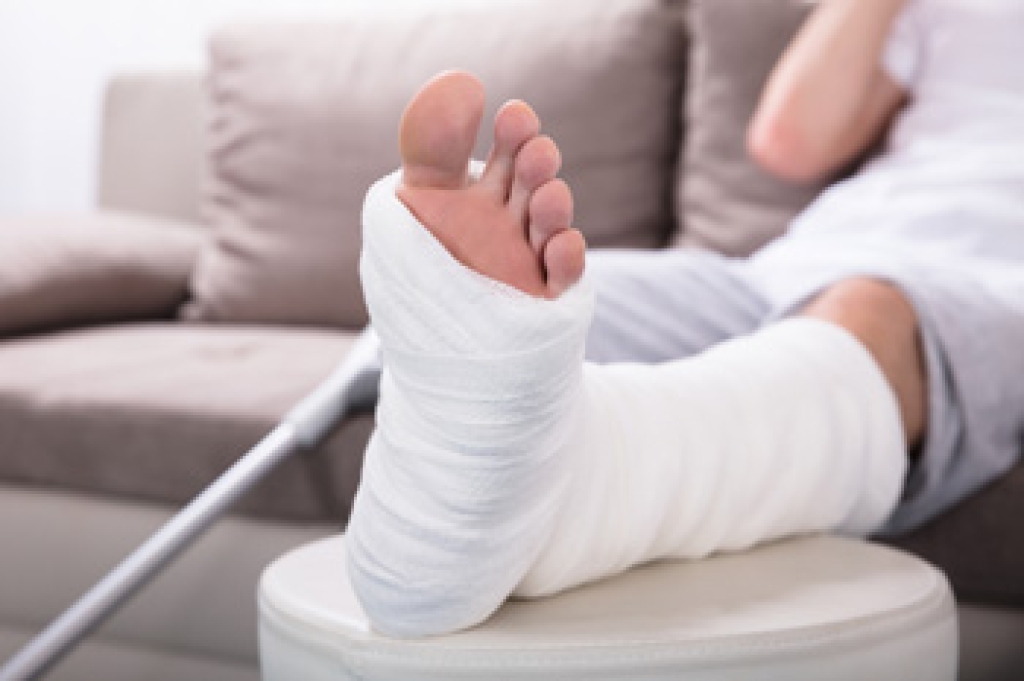 Research has shown that one out of ten broken bones happens in the foot. If tripping, falling, or dropping a heavy object on your foot occurs, you may experience a painful condition known as a broken foot. You will immediately notice symptoms that may include severe pain and swelling, possibly hindering the ability to walk, and bruising or tenderness. Additionally, the toes may be deformed if the bones appear to be dislocated. If you have fallen and you think your foot may be fractured, a proper diagnosis must be performed that will confirm the broken foot. This is typically accomplished by having an X-ray taken, followed by a discussion of proper treatment methods. These may include keeping the foot stable by wearing a supportive boot. Other options may include the use of a splint or cast, and crutches would generally accompany this. If you feel you have broken your foot, it is strongly advised to speak to a podiatrist, so the correct treatment can be chosen.
A broken foot requires immediate medical attention and treatment. If you need your feet checked, contact one of our podiatrists from Jill Einhorn, DPM and James Einhorn, DPM. Our doctors can provide the care you need to keep you pain-free and on your feet.
Broken Foot Causes, Symptoms, and Treatment
A broken foot is caused by one of the bones in the foot typically breaking when bended, crushed, or stretched beyond its natural capabilities. Usually the location of the fracture indicates how the break occurred, whether it was through an object, fall, or any other type of injury.
Common Symptoms of Broken Feet:
Those that suspect they have a broken foot shoot seek urgent medical attention where a medical professional could diagnose the severity.
Treatment for broken bones varies depending on the cause, severity and location. Some will require the use of splints, casts or crutches while others could even involve surgery to repair the broken bones. Personal care includes the use of ice and keeping the foot stabilized and elevated.
If you have any questions, please feel free to contact our offices located in Brooklyn and Astoria, NY . We offer the newest diagnostic and treatment technologies for all your foot care needs.

You don't need an excuse to have beautiful nails. Step outside without worrying about the appearance of your feet.