



Have your child's feet been examined lately? Healthy feet are happy feet. If your child is complaining of foot pain, it may be a sign of underlying problems.
Have your child's feet been examined lately? Healthy feet are happy feet. If your child is complaining of foot pain, it may be a sign of underlying problems.
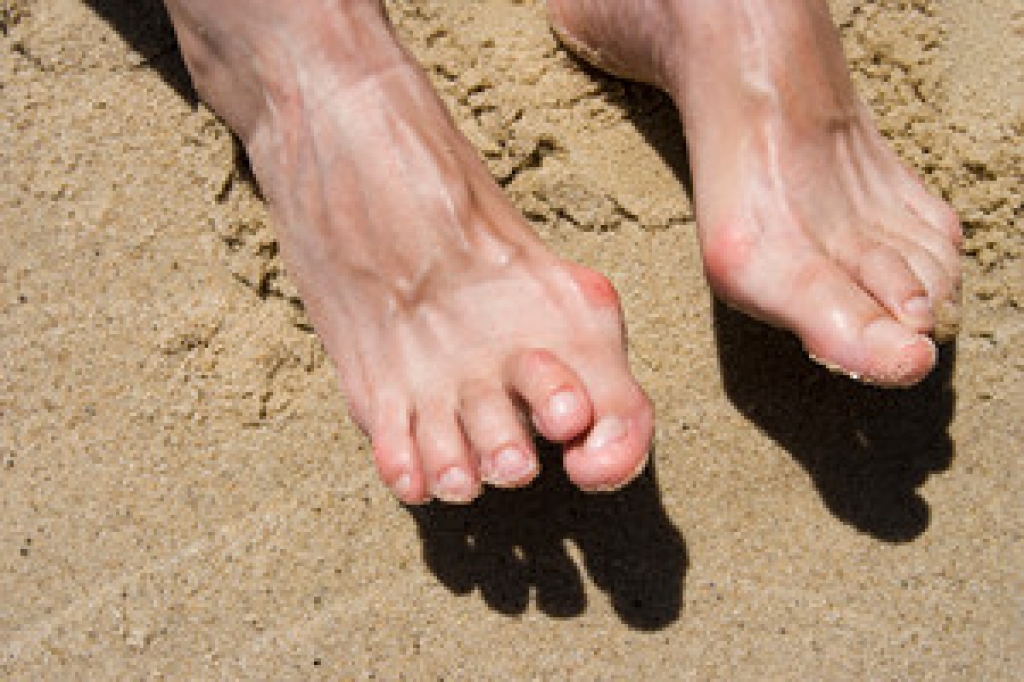 Research has shown the main cause for developing the foot condition known as hammertoe originates from wearing poorly fitting shoes. Shoes that have little or no arch may cause the middle joint in the toe to bend downward abnormally, and this may cause the bent toe to resemble a hammer. This condition typically causes severe pain and discomfort, and may affect the surrounding muscles that are used to keep the toe straight. There may be several reasons why this muscle imbalance occurs, including wearing shoes that do not have adequate room for the toes to move about, having specific diseases such as diabetes or arthritis, or genetic factors. Some of the symptoms that may accompany this ailment may include redness and swelling, open sores on the affected toe, and noticeable pain and discomfort. Certain measures are typically taken to treat hammertoe, and these may include performing gentle foot exercises that incorporate the muscles of the toes, in addition to choosing proper footwear. It’s important to speak with a podiatrist who can determine a treatment plan that is best for you as quickly as possible.
Hammertoes can be a painful condition to live with. For more information, contact one of our podiatrists of Jill Einhorn, DPM and James Einhorn, DPM. Our doctors will answer any of your foot- and ankle-related questions.
Hammertoe
Hammertoe is a foot deformity that occurs due to an imbalance in the muscles, tendons, or ligaments that normally hold the toe straight. It can be caused by the type of shoes you wear, your foot structure, trauma, and certain disease processes.
Symptoms
Risk Factors
Treatment
If you have hammertoe, you should change into a more comfortable shoe that provides enough room for your toes. Exercises such as picking up marbles may strengthen and stretch your toe muscles. Nevertheless, it is important to seek assistance from a podiatrist in order to determine the severity of your hammertoe and see which treatment option will work best for you.
If you have any questions, please feel free to contact our offices located in Brooklyn and Astoria, NY . We offer the newest diagnostic and treatment technologies for all your foot care needs.
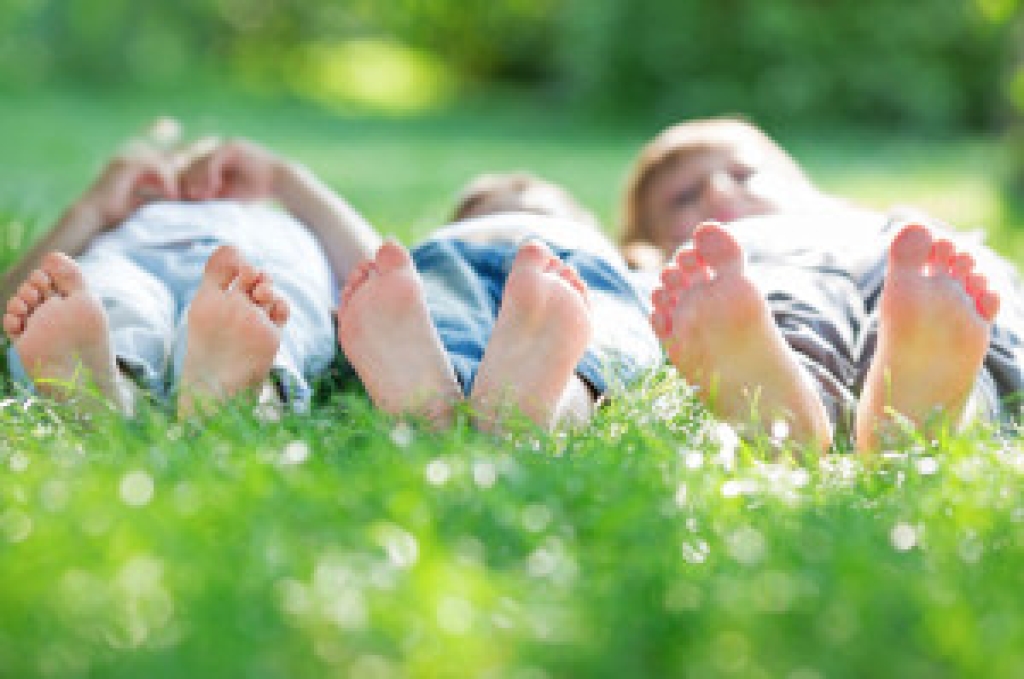 If you have young children, you should be aware of the different foot problems and abnormalities they may encounter throughout development. Some of these common conditions include in-toeing, flat feet, out-toeing, and tiptoe walking. In-toeing and out-toeing are conditions in which a child’s foot turns inward or outward, respectively. However, these conditions tend to correct themselves when your child approaches the ages of 8 or 9. Tiptoe walking is common in children aged 3 and under, and it involves the child walking solely on their tiptoes. Nevertheless, children’s feet tend to grow rapidly before the age of 5. Consequently, it is important that you give your child proper fitting footwear to promote healthy feet development. If you have concerns about the development of your child’s feet, you may find it helpful to speak with a podiatrist.
The health of a child’s feet is vital to their overall well-being. If you have any questions regarding foot health, contact one of our podiatrists of Jill Einhorn, DPM and James Einhorn, DPM. Our doctors can provide the care you need to keep you pain-free and on your feet.
Tips for Keeping Children's Feet Healthy
If you have any questions, please feel free to contact our offices located in Brooklyn and Astoria, NY . We offer the newest diagnostic and treatment technologies for all your foot care needs.
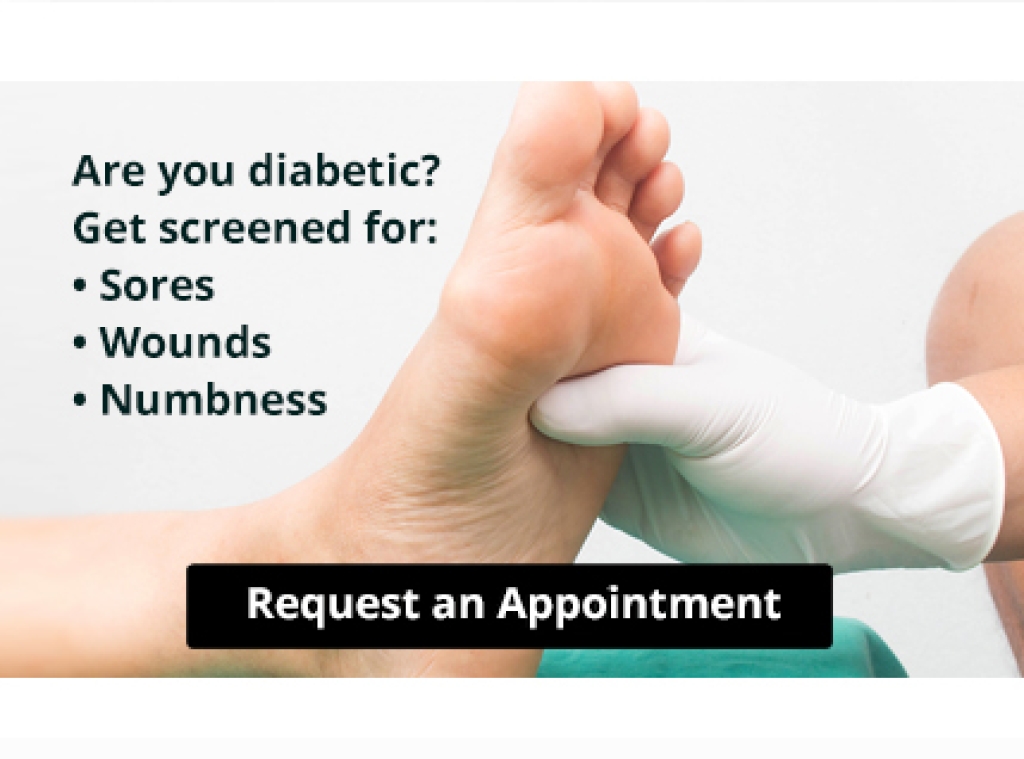
Your feet are covered most of the day. If you're diabetic, periodic screening is important for good health. Numbness is often a sign of diabetic foot and can mask a sore or wound.