



Have your child's feet been examined lately? Healthy feet are happy feet. If your child is complaining of foot pain, it may be a sign of underlying problems.
Have your child's feet been examined lately? Healthy feet are happy feet. If your child is complaining of foot pain, it may be a sign of underlying problems.
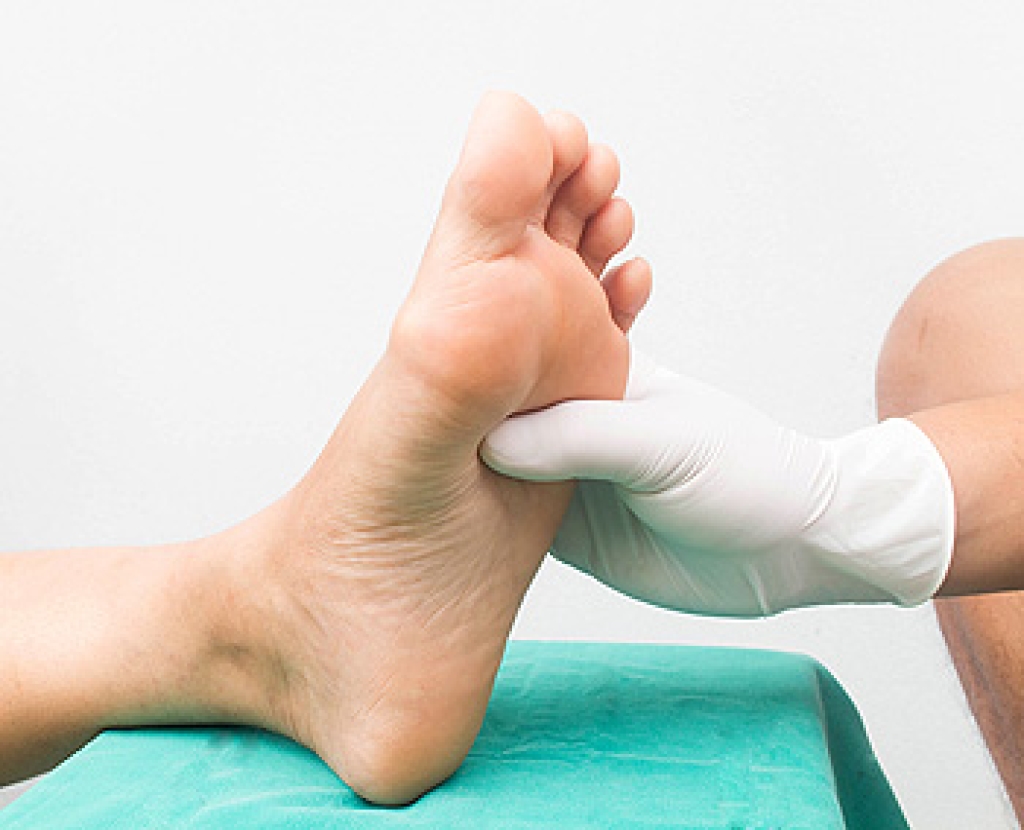 Peripheral neuropathy is a disorder that causes a malfunction in the nerves that send signals from the rest of your body to the brain and spinal cord. Symptoms of peripheral neuropathy include a sharp, stabbing pain and numbness or weakness in the feet. You may feel a tingling sensation in the feet, a buzzing or shock, or a sensation similar to wearing a tight sock. Peripheral neuropathy can also cause symptoms throughout the whole body, such as thinning of the skin, a drop in blood pressure, digestive problems, and excessive sweating. If you are experiencing the symptoms of peripheral neuropathy, it is recommended that you see a podiatrist for treatment.
Neuropathy
Neuropathy can be a potentially serious condition, especially if it is left undiagnosed. If you have any concerns that you may be experiencing nerve loss in your feet, consult with one of our podiatrists from Jill Einhorn, DPM and James Einhorn, DPM. Our doctors will assess your condition and provide you with quality foot and ankle treatment for neuropathy.
What Is Neuropathy?
Neuropathy is a condition that leads to damage to the nerves in the body. Peripheral neuropathy, or neuropathy that affects your peripheral nervous system, usually occurs in the feet. Neuropathy can be triggered by a number of different causes. Such causes include diabetes, infections, cancers, disorders, and toxic substances.
Symptoms of Neuropathy Include:
Those with diabetes are at serious risk due to being unable to feel an ulcer on their feet. Diabetics usually also suffer from poor blood circulation. This can lead to the wound not healing, infections occurring, and the limb may have to be amputated.
Treatment
To treat neuropathy in the foot, podiatrists will first diagnose the cause of the neuropathy. Figuring out the underlying cause of the neuropathy will allow the podiatrist to prescribe the best treatment, whether it be caused by diabetes, toxic substance exposure, infection, etc. If the nerve has not died, then it’s possible that sensation may be able to return to the foot.
Pain medication may be issued for pain. Electrical nerve stimulation can be used to stimulate nerves. If the neuropathy is caused from pressure on the nerves, then surgery may be necessary.
If you have any questions, please feel free to contact our offices located in Brooklyn and Astoria, NY . We offer the newest diagnostic and treatment technologies for all your foot care needs.
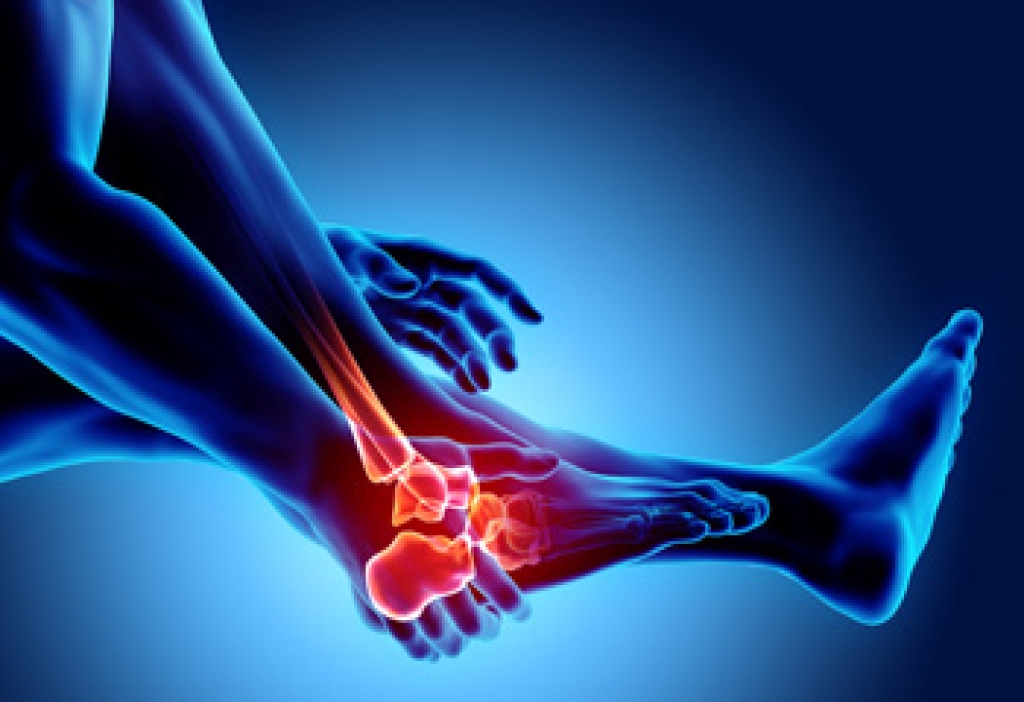 Injuries to the feet and ankles may occur as a result of gradual wear and tear, or from a sudden fall. Children who frequently participate in running and jumping activities may experience foot trauma from suddenly changing direction during soccer or football games. In older adults, muscle mass and bone strength can diminish, and their balance and vision may slowly deteriorate. Bruises can be common if an ankle sprain happens, and may be accompanied by severe pain and discomfort. A stress fracture is defined as a hairline crack in the bone, and can typically develop gradually from repetitive motion. If you have any type of pain in your feet or ankles, it is recommended that you confer with a podiatrist who can properly diagnose your condition and offer the correct treatment options.
Foot and ankle trauma is common among athletes and the elderly. If you have concerns that you may have experienced trauma to the foot and ankle, consult with one of our podiatrists from Jill Einhorn, DPM and James Einhorn, DPM. Our doctors will assess your condition and provide you with quality foot and ankle treatment.
Foot and ankle trauma cover a range of injuries all over the foot; common injuries include:
Symptoms
Symptoms of foot and ankle injuries vary depending on the injury, but more common ones include:
Diagnosis
To properly diagnose the exact type of injury, podiatrists will conduct a number of different tests. Some of these include sensation and visual tests, X-rays, and MRIs. Medical and family histories will also be taken into account.
Treatment
Once the injury has been diagnosed, the podiatrist can than offer the best treatment options for you. In less severe cases, rest and keeping pressure off the foot may be all that’s necessary. Orthotics, such as a specially made shoes, or immobilization devices, like splints or casts, may be deemed necessary. Finally, if the injury is severe enough, surgery may be necessary.
If you have any questions, please feel free to contact our offices located in Brooklyn and Astoria, NY . We offer the newest diagnostic and treatment technologies for all your foot care needs.
 Did you know that each year about 30% of adults over the age of 65 experience a fall? Falls can be especially dangerous for this age group as they may lead to painful and debilitating complications, such as broken bones and traumatic brain injuries. Fortunately, there are measures that you and your podiatrist can take to prevent falls. Studies have found that people who have disabling foot pain, with the addition of footwear assessment, customized insoles, foot and ankle exercises, and regular visits to the podiatrist, can reduce the number of falls one might experience. For more information on preventing falls, talk to your podiatrist today.
Preventing falls among the elderly is very important. If you are older and have fallen or fear that you are prone to falling, consult with one of our podiatrists from Jill Einhorn, DPM and James Einhorn, DPM. Our doctors will assess your condition and provide you with quality advice and care.
Every 11 seconds, an elderly American is being treated in an emergency room for a fall related injury. Falls are the leading cause of head and hip injuries for those 65 and older. Due to decreases in strength, balance, senses, and lack of awareness, elderly persons are very susceptible to falling. Thankfully, there are a number of things older persons can do to prevent falls.
How to Prevent Falls
Some effective methods that older persons can do to prevent falls include:
Falling can be a traumatic and embarrassing experience for elderly persons; this can make them less willing to leave the house, and less willing to talk to someone about their fears of falling. Doing such things, however, will increase the likelihood of tripping or losing one’s balance. Knowing the causes of falling and how to prevent them is the best way to mitigate the risk of serious injury.
If you have any questions, please feel free to contact our offices located in Brooklyn and Astoria, NY . We offer the newest diagnostic and treatment technologies for all your foot care needs.
 Our lives are hectic, and if you work in an office, largely sedentary. After sitting at a desk all day you may find yourself too tired or otherwise occupied at the end of the day to make time to exercise. The good news is, you can at least exercise and stretch your feet while at work. The feet are the foundation of the body so stretching them is important. Not only does it improve their strength and flexibility, it also reduces your risk of foot and ankle injuries, as well as pain. There are a variety of simple stretches that can be done at your desk. You can perform toe raises, where you lift your toes while keeping your heels on the ground, or calf raises, where you stand in front of your desk and raise your heels off of the floor. During breaks, take the stairs or walk around the hallways to obtain more light exercise. For additional information on stretching and strengthening your feet, talk to a podiatrist today.
Stretching the feet is a great way to prevent injuries. If you have any concerns with your feet consult with one of our podiatrists from Jill Einhorn, DPM and James Einhorn, DPM. Our doctors will assess your condition and provide you with quality foot and ankle treatment.
Stretching the Feet
Stretching the muscles in the foot is an important part in any physical activity. Feet that are tight can lead to less flexibility and make you more prone to injury. One of the most common forms of foot pain, plantar fasciitis, can be stretched out to help ease the pain. Stretching can not only ease pain from plantar fasciitis but also prevent it as well. However, it is important to see a podiatrist first if stretching is right for you. Podiatrists can also recommend other ways to stretch your feet. Once you know whether stretching is right for you, here are some excellent stretches you can do.
It is best to go easy when first stretching your foot and work your way up. If your foot starts hurting, stop exercising and ice and rest the foot. It is advised to then see a podiatrist for help.
If you have any questions please contact our offices located in Brooklyn and Astoria, NY . We offer the newest diagnostic and treatment technologies for all your foot and ankle needs.