(718) 891-2706

2616 Ave U | Brooklyn, NY 11229

(718) 278-8020

4105 31st Ave | Astoria, NY 11103
Like us on facebook
Follow us on twitter
Review us on google

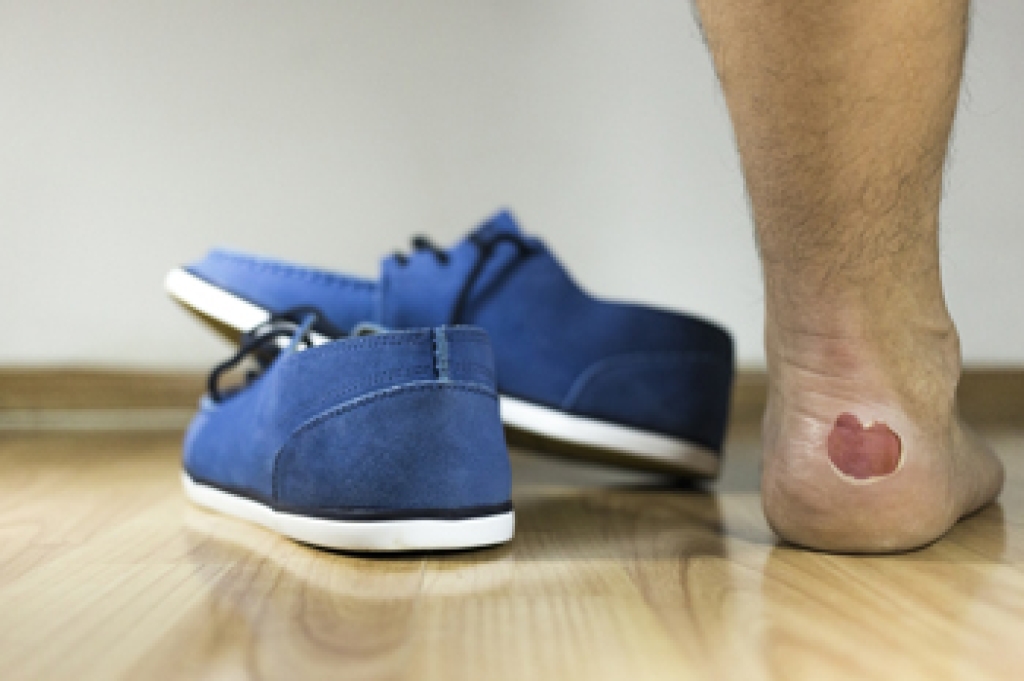
Excess Friction May Cause Blisters

Many patients will experience blisters on the feet as a result of friction. These can form on the back of the foot from wearing shoes and socks that do not fit correctly, which may cause difficulty in walking. When the skin in the affected area becomes damaged, the body’s natural response will be to form a small bubble over it. This is filled with liquid that will protect the area that has become raw. Additionally, there may be other reasons for blisters to form. These can include allergic reactions to insect bites, frostbite, or severe burns, and medical conditions such as herpes or eczema. As new skin grows, the majority of blisters will drain and heal on their own. If your blister has become infected, or is not healing in a timely fashion, it is suggested that you consult with a podiatrist.

Blisters may appear as a single bubble or in a cluster. They can cause a lot of pain and may be filled with pus, blood, or watery serum. If your feet are hurting, contact one of our podiatrists of Jill Einhorn, DPM and James Einhorn, DPM. Our doctors can provide the care you need to keep you pain-free and on your feet.

Foot Blisters

Foot blisters are often the result of friction. This happens due to the constant rubbing from shoes, which can lead to pain.

What Are Foot Blisters?

A foot blister is a small fluid-filled pocket that forms on the upper-most layer of the skin. Blisters are filled with clear fluid and can lead to blood drainage or pus if the area becomes infected.

Symptoms

(Blister symptoms may vary depending on what is causing them)

  • Bubble of skin filled with fluid
  • Redness
  • Moderate to severe pain
  • Itching

Prevention & Treatment

In order to prevent blisters, you should be sure to wear comfortable shoes with socks that cushion your feet and absorb sweat. Breaking a blister open may increase your chances of developing an infection. However, if your blister breaks, you should wash the area with soap and water immediately and then apply a bandage to the affected area. If your blisters cause severe pain it is important that you call your podiatrist right away.

If you have any questions, please feel free to contact our offices located in Brooklyn and Astoria, NY . We offer the newest diagnostic and treatment technologies for all your foot care needs.
Read more about Blisters

Children and Walking Barefoot While Indoors

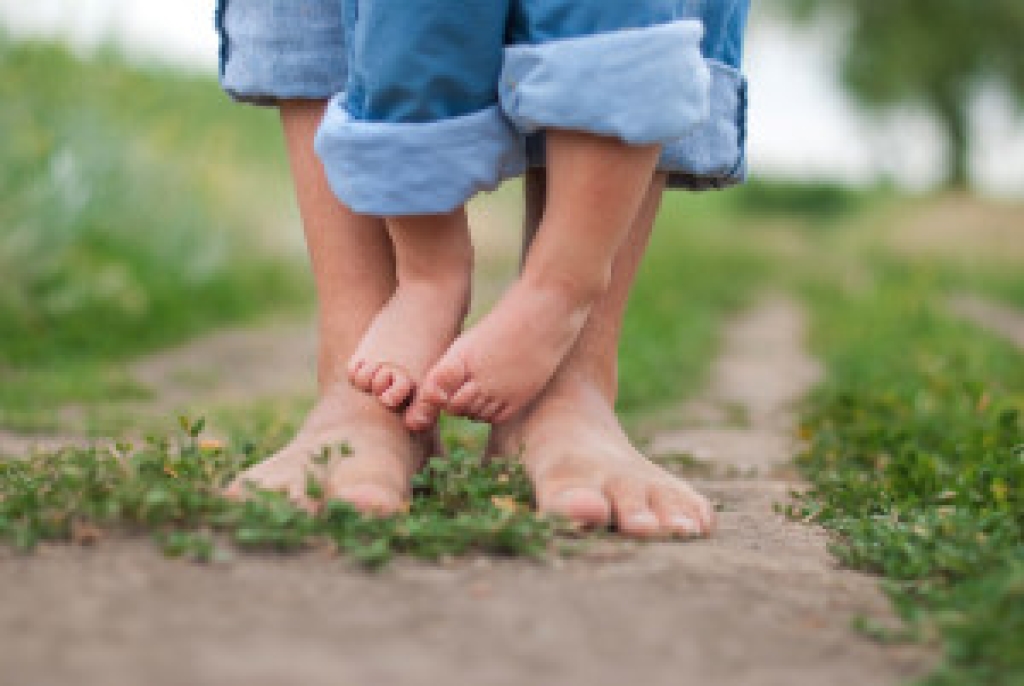
Many parents understand the importance of having their toddlers walk barefoot while indoors. This is helpful in strengthening the toes and the top of the feet as they grasp the floor. Additionally, it can promote balance, coordination, and good posture. Research has shown that many babies are born with flat feet, and the arch will generally develop as they are in their teenage years. When children start to walk outside, it is beneficial to have their feet properly measured, and this is helpful in determining the correct size shoe. When the first shoes are purchased, it is important to ensure there is adequate room for the toes to move freely in.  If you notice your child walks with their feet pointed inward or outward, it is suggested that you schedule a consultation with a podiatrist who can properly monitor any foot condition.

The health of a child’s feet is vital to their overall well-being. If you have any questions regarding foot health, contact one of our podiatrists of Jill Einhorn, DPM and James Einhorn, DPM. Our doctors can provide the care you need to keep you pain-free and on your feet.

Tips for Keeping Children's Feet Healthy

  • Make sure their shoes fit properly
  • Look for any signs of in-toeing or out-toeing
  • Check to see if they have Clubfoot (condition that affects your child’s foot and ankle, twisting the heel and toes inward) which is one of the most common nonmajor birth defects.
  • Lightly cover your baby’s feet (Tight covers may keep your baby from moving their feet freely, and could prevent normal development)
  • Allow your toddler to go shoeless (Shoes can be restricting for a young child’s foot)
  • Cut toenails straight across to avoid ingrown toenails
  • Keep your child’s foot clean and dry
  • Cover cuts and scrapes. Wash any scratches with soap and water and cover them with a bandage until they’ve healed.

If you have any questions, please feel free to contact our offices located in Brooklyn and Astoria, NY . We offer the newest diagnostic and treatment technologies for all your foot care needs.
Read more about How to Care for Your Child's Feet

Children and Walking Barefoot While Indoors

Many parents understand the importance of having their toddlers walk barefoot while indoors. This is helpful in strengthening the toes and the top of the feet as they grasp the floor. Additionally, it can promote balance, coordination, and good posture. Research has shown that many babies are born with flat feet, and the arch will generally develop as they are in their teenage years. When children start to walk outside, it is beneficial to have their feet properly measured, and this is helpful in determining the correct size shoe. When the first shoes are purchased, it is important to ensure there is adequate room for the toes to move freely in.  If you notice your child walks with their feet pointed inward or outward, it is suggested that you schedule a consultation with a podiatrist who can properly monitor any foot condition.

Making sure that your children maintain good foot health is very important as they grow. If you have any questions, contact one of our podiatrists of Jill Einhorn, DPM and James Einhorn, DPM. Our doctors can provide the care you need to keep you pain-free and on your feet.

Keeping Children's Feet Healthy

Having healthy feet during childhood can help prevent medical problems later in life, namely in the back and legs. As children grow, their feet require different types of care. Here are some things to consider...

Although babies do not walk yet, it is still very important to take care of their feet.

Avoid putting tight shoes or socks on his or her feet.

Allow the baby to stretch and kick his or her feet to feel comfortable.

As a toddler, kids are now on the move and begin to develop differently. At this age, toddlers are getting a feel for walking, so don’t be alarmed if your toddler is unsteady or ‘walks funny’. 

As your child gets older, it is important to teach them how to take care of their feet.

Show them proper hygiene to prevent infections such as fungus.

Be watchful for any pain or injury.

Have all injuries checked by a doctor as soon as possible.

Comfortable, protective shoes should always be worn, especially at play.

If you have any questions, please feel free to contact our offices located in Brooklyn and Astoria, NY . We offer the newest diagnostic and treatment technologies for all your foot care needs.

Read more about What to Do to Keep Your Child’s Feet Healthy

Preventing Toenail Fungus

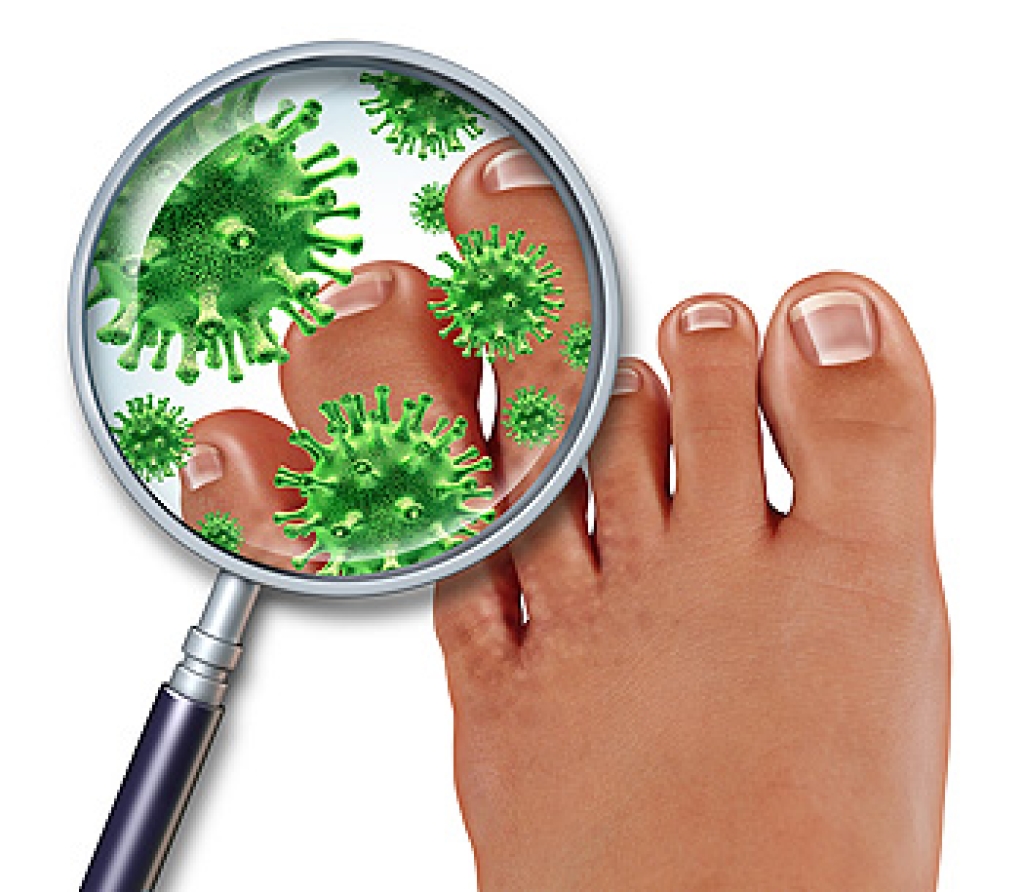
Toenail fungus is an infection that forms underneath toenails. When this occurs, the nail usually darkens and may begin to smell. This infection can spread to other nails or skin, so it is important to treat it. Over time, the toenail might begin to thicken and the infection might become painful. Thankfully, there are ways to prevent toenail fungus. Proper foot hygiene is the first step in preventing infection. Washing your feet and making sure to fully dry them will help keep infectious organisms out of your toenails. In public areas, wear shower shoes and avoid wearing shoes or socks that trap excessive moisture, because damp environments allow infections to thrive. It is also important to cut your toenails straight across and to make sure any pedicure tools used on your feet are clean. If you would like more information on how to properly prevent toenail fungus, then it is recommended you consult with a podiatrist.

If left untreated, toenail fungus may spread to other toenails, skin, or even fingernails. If you suspect you have toenail fungus it is important to seek treatment right away. For more information about treatment, contact one of our podiatrists of Jill Einhorn, DPM and James Einhorn, DPM. Our doctors can provide the care you need to keep you pain-free and on your feet.

Symptoms

  • Warped or oddly shaped nails
  • Yellowish nails
  • Loose/separated nail
  • Buildup of bits and pieces of nail fragments under the nail
  • Brittle, broken, thickened nail

Treatment

If self-care strategies and over-the-counter medications does not help your fungus, your podiatrist may give you a prescription drug instead. Even if you find relief from your toenail fungus symptoms, you may experience a repeat infection in the future.

Prevention

In order to prevent getting toenail fungus in the future, you should always make sure to wash your feet with soap and water. After washing, it is important to dry your feet thoroughly especially in between the toes. When trimming your toenails, be sure to trim straight across instead of in a rounded shape. It is crucial not to cover up discolored nails with nail polish because that will prevent your nail from being able to “breathe”.

In some cases, surgical procedure may be needed to remove the toenail fungus. Consult with your podiatrist about the best treatment options for your case of toenail fungus.  

If you have any questions please contact our offices located in Brooklyn and Astoria, NY . We offer the newest diagnostic and treatment technologies for all your foot and ankle needs.

Read more about Toenail Fungus

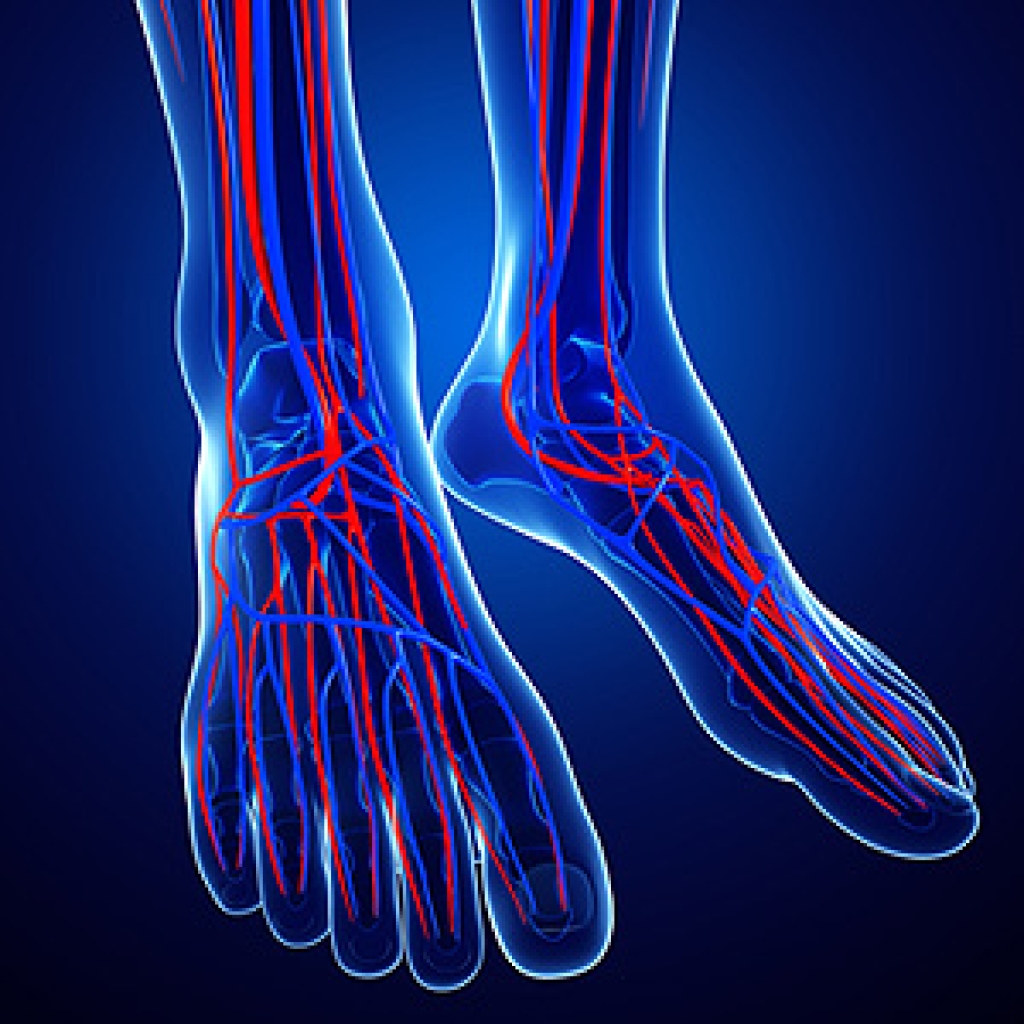
Can Walking Help Poor Circulation?

The medical condition that is known as poor circulation occurs when blood flow is restricted in the body. Common symptoms that are associated with this condition can include cold feet, in addition to a tingling and numbing sensation. This risk of developing poor circulation may increase as the aging process occurs. Other existing factors that can lead to this condition can include smoking, lack of exercise, and eating unhealthy foods. There are noticeable symptoms that are present if poor circulation exists. The most common sign is feeling cramps in your legs as you walk, and some patients are aware of consistent aches in their legs and feet. Mild relief can be obtained when a gentle walking program is implemented, and this can be helpful in controlling poor circulation. If you feel you have symptoms of this condition, it is suggested that you schedule a consultation with a podiatrist who can properly treat this condition.

Poor circulation is a serious condition and needs immediate medical attention. If you have any concerns with poor circulation in your feet contact one of our podiatrists of Jill Einhorn, DPM and James Einhorn, DPM. Our doctors will treat your foot and ankle needs.

Poor Circulation in the Feet

Poor blood circulation in the feet and legs is can be caused by peripheral artery disease (PAD), which is the result of a buildup of plaque in the arteries.

Plaque buildup or atherosclerosis results from excess calcium and cholesterol in the bloodstream. This can restrict the amount of blood which can flow through the arteries. Poor blood circulation in the feet and legs are sometimes caused by inflammation in the blood vessels, known as vasculitis.

Causes

Lack of oxygen and oxygen from poor blood circulation restricts muscle growth and development. It can also cause:

  • Muscle pain, stiffness, or weakness 
  • Numbness or cramping in the legs
  • Skin discoloration
  • Slower nail & hair growth
  • Erectile dysfunction

Those who have diabetes or smoke are at greatest risk for poor circulation, as are those who are over 50. If you have poor circulation in the feet and legs it may be caused by PAD and is important to make changes to your lifestyle in order to reduce risk of getting a heart attack or stroke. Exercise and maintaining a healthy lifestyle will dramatically improve conditions.

As always, see a podiatrist as he or she will assist in finding a regimen that suits you. A podiatrist can also prescribe you any needed medication. 

If you have any questions, please feel free to contact our offices located in Brooklyn and Astoria, NY . We offer the newest diagnostic and treatment technologies for all your foot care needs.

Read more about Causes, Symptoms, and Treatment of Poor Blood Circulation in the Feet
Connect With Us