
(718) 891-2706

2616 Ave U | Brooklyn, NY 11229

(718) 278-8020

4105 31st Ave | Astoria, NY 11103
Like us on facebook
Follow us on twitter
Review us on google

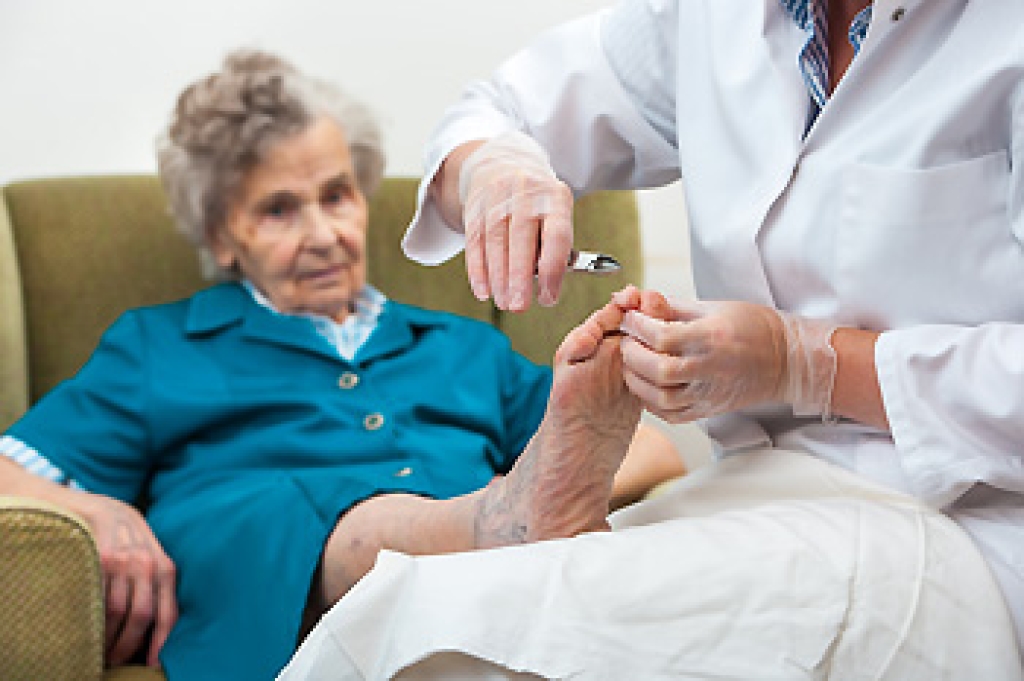
How to Care for Elderly Feet

Practicing proper foot care is often overlooked, and this can be particularly true for the population of the elderly. Trimming the nails correctly is essential in preventing infections that may occur, especially in diabetic patients. Additionally, developing ingrown toenails, bunions, or warts may be common among the elderly who are not able to take care of their feet correctly. Proper circulation is vital to the lower extremities, and this may be accomplished by engaging in foot massages, in addition to elevating the feet and soaking them in warm water. Choosing the correct shoes to wear will also help in maintaining proper foot care, and selecting breathable materials will help in preventing fungus from occurring. Please consider scheduling a consultation with a podiatrist if you have questions about how to care for elderly feet.

Proper foot care is something many older adults forget to consider. If you have any concerns about your feet and ankles, contact one of our podiatrists from Jill Einhorn, DPM and James Einhorn, DPM. Our doctors can provide the care you need to keep you pain-free and on your feet.

The Elderly and Their Feet

As we age we start to notice many changes in our body, but the elder population may not notice them right away. Medical conditions may prevent the elderly to take notice of their foot health right away. Poor vision is a lead contributor to not taking action for the elderly.

Common Conditions 

  • Neuropathy – can reduce feeling in the feet and can hide many life-threatening medical conditions.
  • Reduced flexibility – prevents the ability of proper toenail trimming, and foot cleaning. If left untreated, it may lead to further medical issues.
  • Foot sores – amongst the older population can be serious before they are discovered. Some of the problematic conditions they may face are:
  • Gouging toenails affecting nearby toe
  • Shoes that don’t fit properly
  • Pressure sores
  • Loss of circulation in legs & feet
  • Edema & swelling of feet and ankles

Susceptible Infections

Diabetes and poor circulation can cause general loss of sensitivity over the years, turning a simple cut into a serious issue.

If you have any questions, please feel free to contact our offices located in Brooklyn and Astoria, NY . We offer the newest diagnostic and treatment technologies for all your foot care needs.

Read more about Elderly and their Feet

Why Live with Pain and Numbness in Your Feet?

Suffering from this type of pain? You may have the foot condition known as Morton's neuroma. Morton's neuroma may develop as a result of ill-fitting footwear and existing foot deformities. We can help.

All About Plantar Fasciitis

Plantar fasciitis affects more than three million people each year. This ailment typically occurs when the foot’s shock absorbing ligament, also known as the plantar fascia, suffers inflammation or small tears from too much tension or stress. The ligament associated with plantar fasciitis runs across the entire bottom of the foot. However, the pain associated with this condition is usually only located within the center of the heel. Some people do tend to experience pain up into their arch, though. Plantar fasciitis can be caused by a variety of occurrences such as jobs that keep people on their feet, stressful exercises, obesity, or wearing shoes with little support. Treatments for plantar fasciitis may include icing your feet, receiving cortisone injections, wearing a specialized boot, and even doing stretches. If you are experiencing any foot pain, an appointment with your podiatrist is highly advised.      

Plantar fasciitis can be very painful and inconvenient. If you are experiencing heel pain or symptoms of plantar fasciitis, contact one of our podiatrists  from Jill Einhorn, DPM and James Einhorn, DPM. Our doctors can provide the care you need to keep you pain-free and on your feet.

What Is Plantar Fasciitis?

Plantar fasciitis is the inflammation of the thick band of tissue that runs along the bottom of your foot, known as the plantar fascia, and causes mild to severe heel pain.

What Causes Plantar Fasciitis?

  • Excessive running
  • Non-supportive shoes
  • Overpronation
  • Repeated stretching and tearing of the plantar fascia

How Can It Be Treated?

  • Conservative measures – anti-inflammatories, ice packs, stretching exercises, physical therapy, orthotic devices
  • Shockwave therapy – sound waves are sent to the affected area to facilitate healing and are usually used for chronic cases of plantar fasciitis
  • Surgery – usually only used as a last resort when all else fails. The plantar fascia can be surgically detached from the heel

While very treatable, plantar fasciitis is definitely not something that should be ignored. Especially in severe cases, speaking to your doctor right away is highly recommended to avoid complications and severe heel pain. Your podiatrist can work with you to provide the appropriate treatment options tailored to your condition.

If you have any questions, please feel free to contact our offices located in Brooklyn and Astoria, NY . We offer the newest diagnostic and treatment technologies for all your foot care needs.

Read more about Plantar Fasciitis

Do Your Child's Feet Hurt?

Have your child's feet been examined lately? Healthy feet are happy feet. If your child is complaining of foot pain, it may be a sign of underlying problems.

How Do I Know If I Have a Bunion?

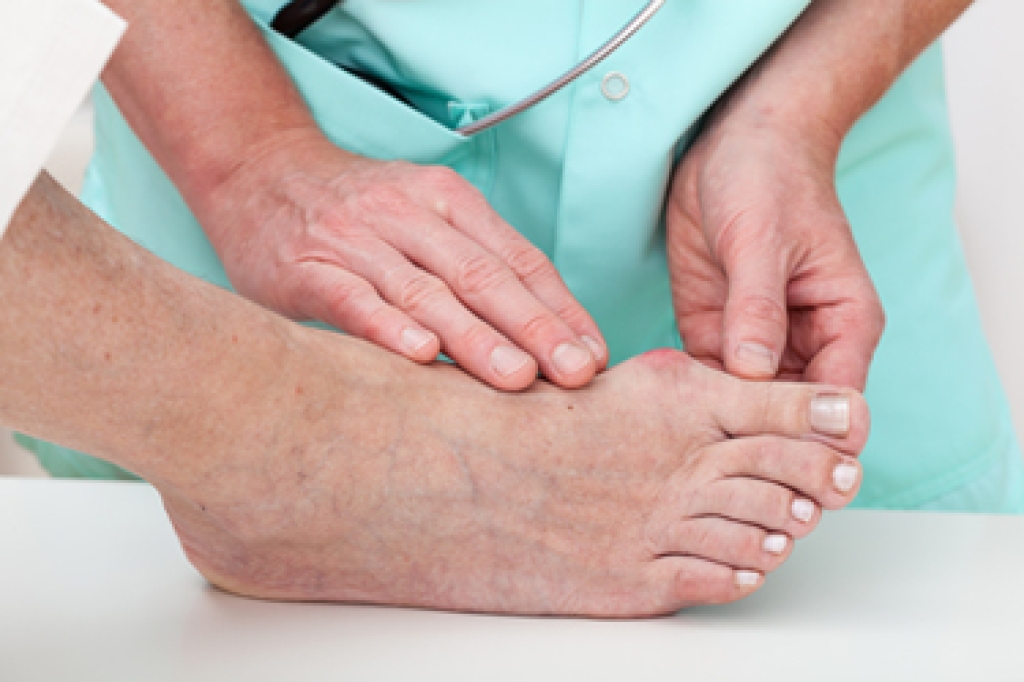
If you have a bump on the side of your big toe, there is a chance that you may have a bunion. It's common for the structure of the foot to change as a result of the big toe being pushed toward the other toes. This worsens misalignment in the toes, resulting in the bony protrusion developing. This progressive condition is commonly caused by a predisposed, inherited trait affecting the structure of the foot. Poor-fitting shoes do not cause bunions, although they may advance the progression of the disorder. Common symptoms may include experiencing numbness or a burning sensation, in addition to observing swelling and redness in the area. Some patients may notice calluses developing on the big toe, and movement may become restricted. A treatment option can include choosing the right shoes with enough room so the toes can be comfortable and move freely. Activities that irritate the bunion, such as standing for long periods of time, should be avoided. If you are experiencing pain from a bunion, a consultation with a podiatrist is advised.

If you are suffering from bunions, contact one of our podiatrists of Jill Einhorn, DPM and James Einhorn, DPM. Our doctors can provide the care you need to keep you pain-free and on your feet.

What Is a Bunion?

A bunion is formed of swollen tissue or an enlargement of boney growth, usually located at the base joint of the toe that connects to the foot. The swelling occurs due to the bones in the big toe shifting inward, which impacts the other toes of the foot. This causes the area around the base of the big toe to become inflamed and painful.

Why Do Bunions Form?

Genetics – Susceptibility to bunions are often hereditary

Stress on the feet – Poorly fitted and uncomfortable footwear that places stress on feet, such as heels, can worsen existing bunions

How Are Bunions Diagnosed?

Podiatrists often perform two tests – blood tests and x-rays – when trying to diagnose bunions, especially in the early stages of development. Blood tests help determine if the foot pain is being caused by something else, such as arthritis, while x-rays provide a clear picture of your bone structure to your provider.

How Are Bunions Treated?

  • Refrain from wearing heels or similar shoes that cause discomfort
  • Select wider shoes that can provide more comfort and reduce pain
  • Anti-inflammatory and pain management drugs
  • Orthotics or foot inserts
  • Surgery

If you have any questions, please feel free to contact our offices located in Brooklyn and Astoria, NY . We offer the newest diagnostic and treatment technologies for all your foot care needs.
Read more about Bunions
Connect With Us