
(718) 891-2706

2616 Ave U | Brooklyn, NY 11229

(718) 278-8020

4105 31st Ave | Astoria, NY 11103
Like us on facebook
Follow us on twitter
Review us on google

Causes of Ingrown Toenails

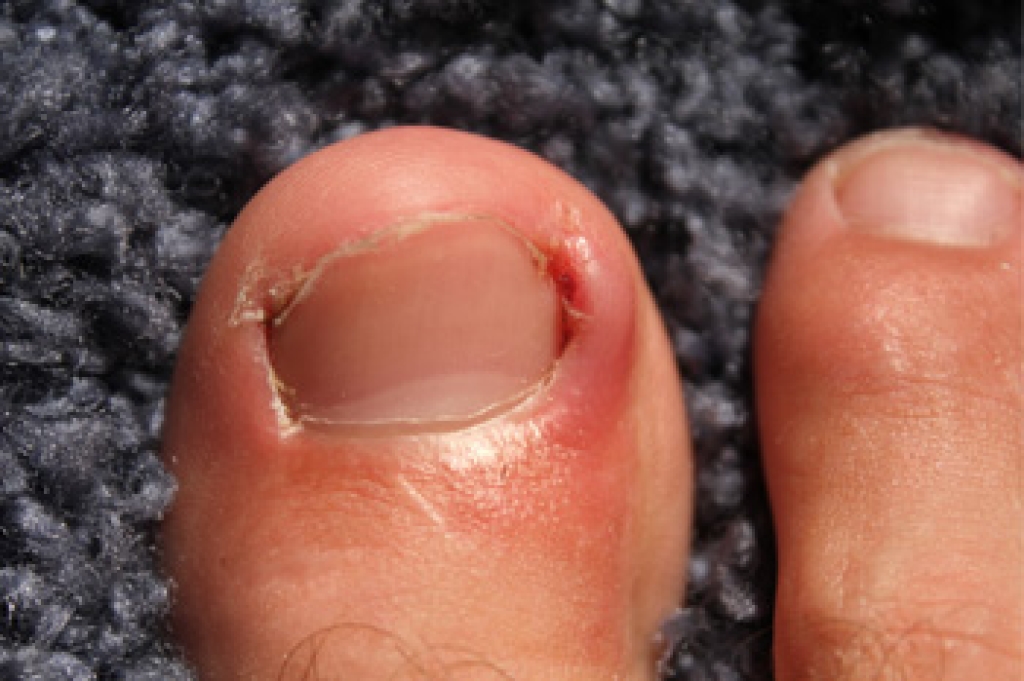
If the side of the toenail has grown into the skin, you may have a condition referred to as an ingrown toenail. It is typically a painful ailment and is often amplified when touched or put into a shoe. There are several causes for this to develop, including toenails that are improperly trimmed, wearing shoes that fit poorly, or a predisposed inherited gene in which the toenails may naturally curl. It is generally simple to notice if you are afflicted with this condition: observe the surrounding area of the nail to see if it is red, swollen, and painful. Treating the toenail as soon as possible can help ease discomfort, and this can be accomplished by soaking the foot in lukewarm water several times during the day. An infection may be avoided by applying an antiseptic on the toe and following by placing a small piece of cotton on the toe for protection. Consult a podiatrist if you have developed an ingrown toenail for more information on treatment options and care.

Ingrown toenails can become painful if they are not treated properly. For more information about ingrown toenails, contact one of our podiatrists of Jill Einhorn, DPM and James Einhorn, DPM. Our doctors can provide the care you need to keep you pain-free and on your feet.

Ingrown Toenails

Ingrown toenails occur when a toenail grows sideways into the bed of the nail, causing pain, swelling, and possibly infection.

Causes

  • Bacterial infections
  • Improper nail cutting such as cutting it too short or not straight across
  • Trauma to the toe, such as stubbing, which causes the nail to grow back irregularly
  • Ill-fitting shoes that bunch the toes too close together
  • Genetic predisposition

Prevention

Wearing proper fitting shoes and using proper cutting techniques will also help decrease your risk of developing ingrown toenails.

Treatment

Ingrown toenails are a very treatable foot condition. In minor cases, soaking the affected area in salt or antibacterial soaps will not only help with the ingrown nail itself, but also help prevent any infections from occurring. In more severe cases, surgery is an option. In either case, speaking to your podiatrist about this condition will help you get a better understanding of specific treatment options that are right for you.

If you have any questions, please feel free to contact our offices located in Brooklyn and Astoria, NY . We offer the newest diagnostic and treatment technologies for all your foot care needs.

Read more about Ingrown Toenail Care

Heel Pain Can Be Treated!

Do you suffer from heel pain when you get up in the morning? If so, you should seek professional help and have a proper diagnosis performed. Heel pain can be caused by several different foot-related conditions.

The Differences Between a Break and a Sprain

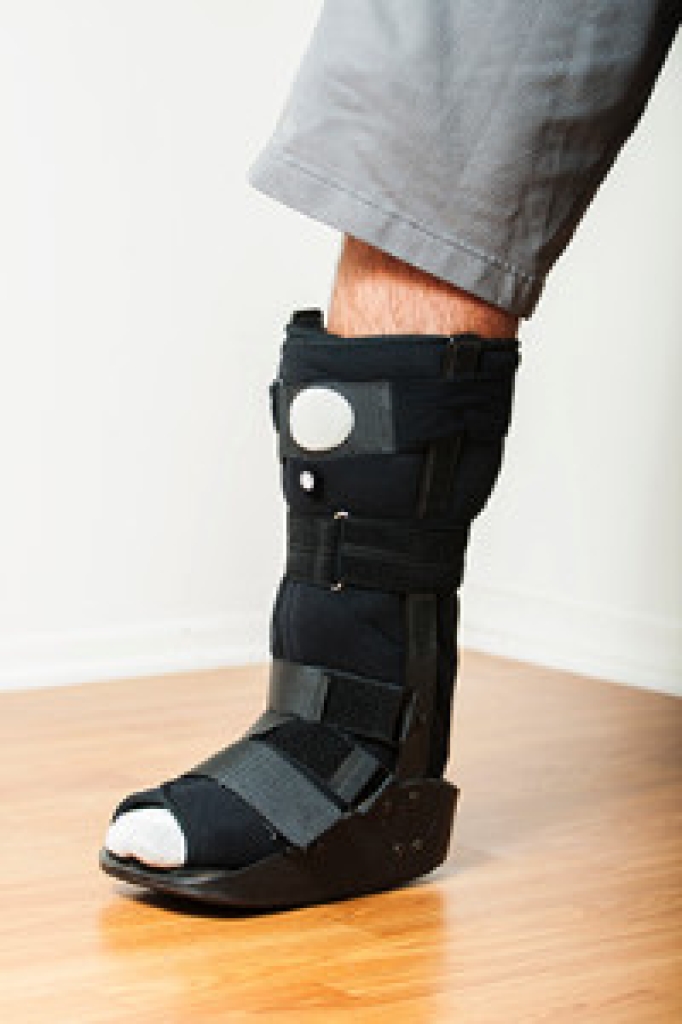
Research has shown the foot consists of 26 bones. If you have endured a fall resulting in severe pain in your foot, one of these bones may have been fractured, and this is often referred to as a broken foot. General symptoms of a sprain and a fracture typically include swelling and pain, so it’s advised to be able to differentiate between the two. This can be accomplished by comparing both feet and looking for breaks in the skin, which may result from a broken bone. Additional indications of a broken foot may be a feeling of dizziness, extreme discomfort, and pain while attempting to walk, or feeling a bone in the foot snap as the injury occurs. Temporary relief can be found in resting the foot by limiting attempts to walk, in addition to elevating the leg as soon as possible. A proper diagnosis will typically consist of performing an X-ray, which can determine the severity of the fracture. Please consult with a podiatrist for proper treatment options, which may include a walking boot or cast.  

A broken foot requires immediate medical attention and treatment. If you need your feet checked, contact one of our podiatrists from Jill Einhorn, DPM and James Einhorn, DPM. Our doctors can provide the care you need to keep you pain-free and on your feet.

Broken Foot Causes, Symptoms, and Treatment

A broken foot is caused by one of the bones in the foot typically breaking when bended, crushed, or stretched beyond its natural capabilities. Usually the location of the fracture indicates how the break occurred, whether it was through an object, fall, or any other type of injury. 

Common Symptoms of Broken Feet:

  • Bruising
  • Pain
  • Redness
  • Swelling
  • Blue in color
  • Numbness
  • Cold
  • Misshapen
  • Cuts
  • Deformities

Those that suspect they have a broken foot shoot seek urgent medical attention where a medical professional could diagnose the severity.

Treatment for broken bones varies depending on the cause, severity and location. Some will require the use of splints, casts or crutches while others could even involve surgery to repair the broken bones. Personal care includes the use of ice and keeping the foot stabilized and elevated.

If you have any questions, please feel free to contact our offices located in Brooklyn and Astoria, NY . We offer the newest diagnostic and treatment technologies for all your foot care needs.

Read more about Causes, Symptoms, and Treatment for a Broken Foot

Reminder: When Was the Last Time...?

Custom orthotics, or shoe inserts, should be periodically replaced. Orthotics must fit properly to give you the best results. Protect your feet and ankles!

What is a Bunion?

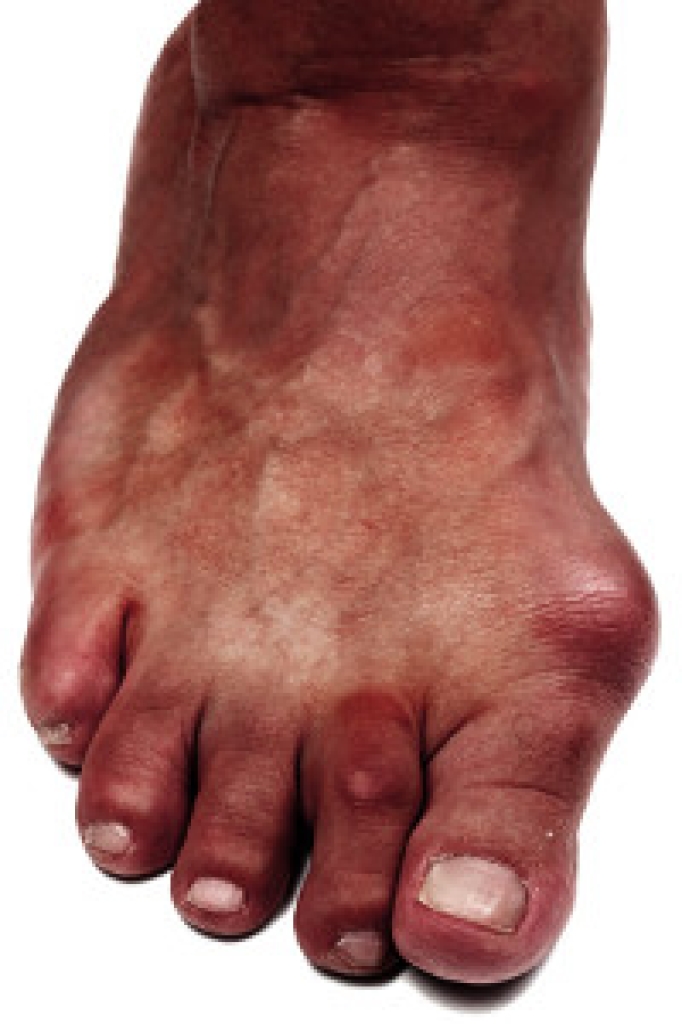
bunion is typically found at the bottom of the big toe. It is comprised of a growth that appears to be of a bony texture, and severe pain is often experienced. The causes for this ailment developing may originate from a predisposed inherited gene or from an injury the foot has endured. There are several ways to determine if you have this condition, which may be noticing reddened skin, a tingling sensation, or swelling in the affected area. Treatment typically involves specific surgery that can be performed to remove the bunion or choosing a more conservative method where partial relief may be obtained. Recent research has shown that wearing shoes with a bigger toe area is helpful in accommodating the bunion, in addition to pads that are placed on the bunion which may help in relieving pressure. Seeking a consultation with a podiatrist is highly recommended if you are experiencing pain or discomfort.

If you are suffering from bunions, contact one of our podiatrists of Jill Einhorn, DPM and James Einhorn, DPM. Our doctors can provide the care you need to keep you pain-free and on your feet.

What Is a Bunion?

A bunion is formed of swollen tissue or an enlargement of boney growth, usually located at the base joint of the toe that connects to the foot. The swelling occurs due to the bones in the big toe shifting inward, which impacts the other toes of the foot. This causes the area around the base of the big toe to become inflamed and painful.

Why Do Bunions Form?

Genetics – Susceptibility to bunions are often hereditary

Stress on the feet – Poorly fitted and uncomfortable footwear that places stress on feet, such as heels, can worsen existing bunions

How Are Bunions Diagnosed?

Podiatrists often perform two tests – blood tests and x-rays – when trying to diagnose bunions, especially in the early stages of development. Blood tests help determine if the foot pain is being caused by something else, such as arthritis, while x-rays provide a clear picture of your bone structure to your provider.

How Are Bunions Treated?

  • Refrain from wearing heels or similar shoes that cause discomfort
  • Select wider shoes that can provide more comfort and reduce pain
  • Anti-inflammatory and pain management drugs
  • Orthotics or foot inserts
  • Surgery

If you have any questions, please feel free to contact our offices located in Brooklyn and Astoria, NY . We offer the newest diagnostic and treatment technologies for all your foot care needs.
Read more about Bunions
Connect With Us