
(718) 891-2706

2616 Ave U | Brooklyn, NY 11229

(718) 278-8020

4105 31st Ave | Astoria, NY 11103
Like us on facebook
Follow us on twitter
Review us on google

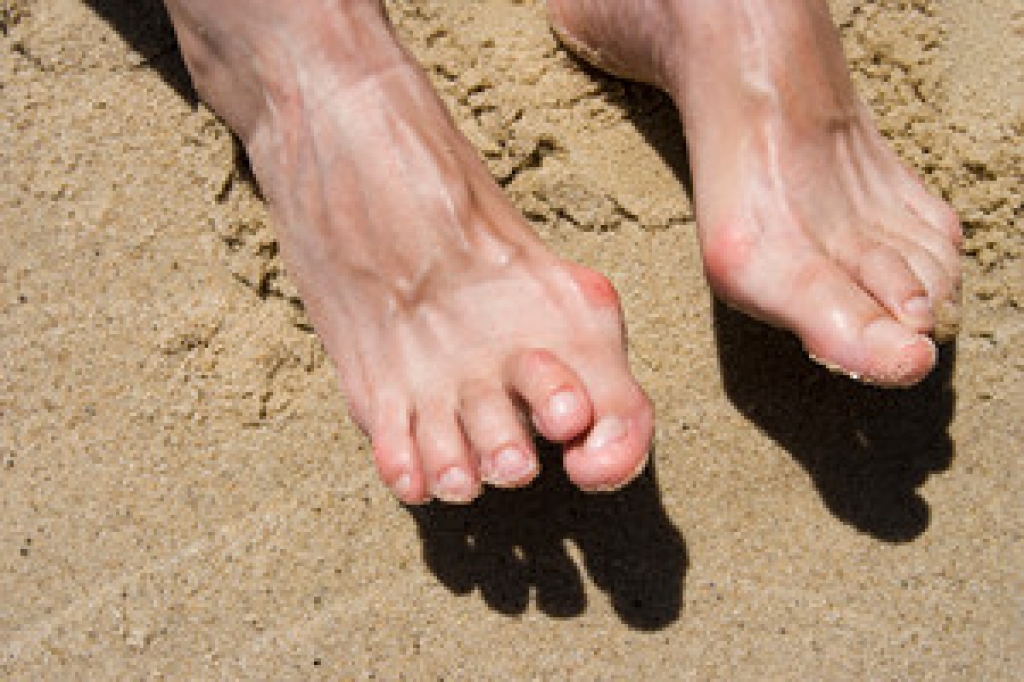
What Type of Shoe May Cause Hammertoe?

A condition known as hammertoe may often be the result of wearing shoes that do not fit correctly. The type of shoe that is typically worn, which causes this ailment to develop may have minimum arch support and is often too narrow. This generally causes the middle toes to have muscle imbalances, which prompts the toes to bend, and may be unable to straighten. Pain commonly affects patients with hammertoe and corns and calluses may develop on top of the affected toes. This may be a result of the toes rubbing against the shoes that are worn, in addition to the toes becoming swollen and inflamed. If you feel you are afflicted with hammertoe, it’s suggested to speak with a podiatrist as quickly as possible to learn about the correct course of action to treat this condition.

Hammertoe

Hammertoes can be a painful condition to live with. For more information, contact one of our podiatrists from Jill Einhorn, DPM and James Einhorn, DPM. Our doctors will answer any of your foot- and ankle-related questions.

Hammertoe is a foot deformity that affects the joints of the second, third, fourth, or fifth toes of your feet. It is a painful foot condition in which these toes curl and arch up, which can often lead to pain when wearing footwear.

Symptoms

  • Pain in the affected toes
  • Development of corns or calluses due to friction
  • Inflammation
  • Redness
  • Contracture of the toes

Causes

Genetics – People who are genetically predisposed to hammertoe are often more susceptible

Arthritis – Because arthritis affects the joints in your toes, further deformities stemming from arthritis can occur

Trauma – Direct trauma to the toes could potentially lead to hammertoe

Ill-fitting shoes – Undue pressure on the front of the toes from ill-fitting shoes can potentially lead to the development of hammertoe

Treatment

Orthotics – Custom made inserts can be used to help relieve pressure placed on the toes and therefore relieve some of the pain associated with it

Medications – Oral medications such as anti-inflammatories or NSAIDs could be used to treat the pain and inflammation hammertoes causes. Injections of corticosteroids are also sometimes used

Surgery – In more severe cases where the hammertoes have become more rigid, foot surgery is a potential option

If you have any questions, please feel free to contact our offices located in Brooklyn and Astoria, NY . We offer the newest diagnostic and treatment technologies for all your foot care needs.

Read more about Hammertoe

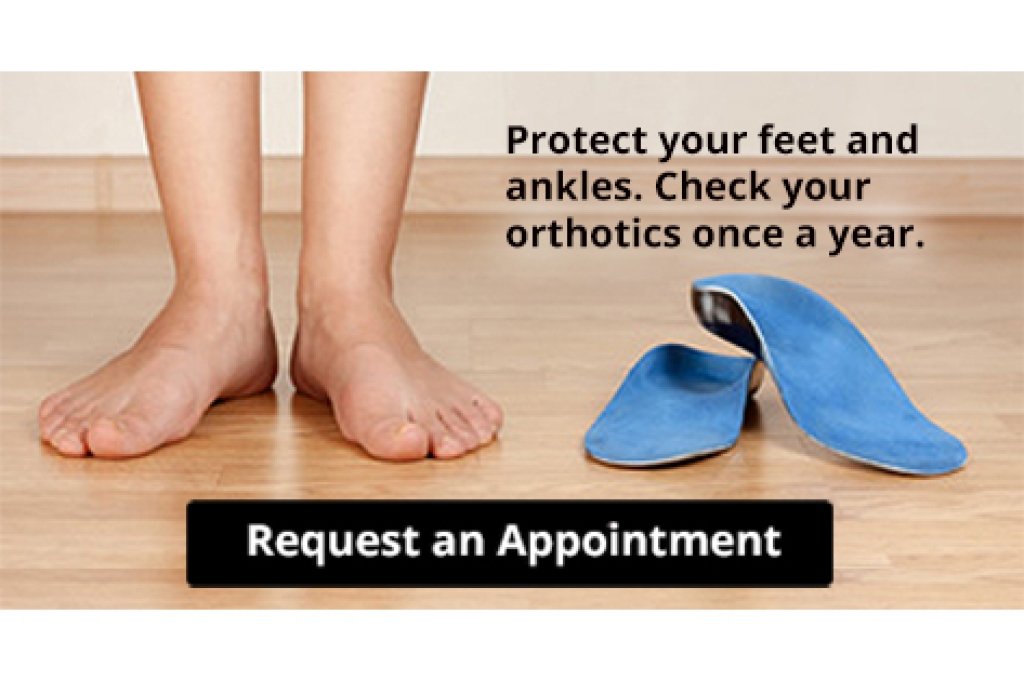
Reminder: When Was the Last Time...?

Custom orthotics, or shoe inserts, should be periodically replaced. Orthotics must fit properly to give you the best results. Protect your feet and ankles!

How Falling May be Prevented

Research has shown the importance of developing muscle strength, which may aid in the prevention of falling. Strong muscles may help to maintain balance, and this may be achieved by incorporating walking into your daily routine, and eliminating sitting for extended periods of time. Steps may be taken to improve conditions in your home, including repairing broken steps, having brighter lighting or removing rugs that are loose. There are several hazards that may exist in the bathroom as a result of wet and slippery floors. It’s beneficial to use a non slip mat in the shower or bathtub in addition to utilizing a grab bar inside and outside of the shower. It’s important to have routine check-ups with your physician to monitor the condition of your eyes and ears, and this may bring more awareness to your immediate surroundings.

Preventing falls among the elderly is very important. If you are older and have fallen or fear that you are prone to falling, consult with one of our podiatrists from Jill Einhorn, DPM and James Einhorn, DPM. Our doctors will assess your condition and provide you with quality advice and care.

Every 11 seconds, an elderly American is being treated in an emergency room for a fall related injury. Falls are the leading cause of head and hip injuries for those 65 and older. Due to decreases in strength, balance, senses, and lack of awareness, elderly persons are very susceptible to falling. Thankfully, there are a number of things older persons can do to prevent falls.

How to Prevent Falls

Some effective methods that older persons can do to prevent falls include:

  • Enrolling in strength and balance exercise program to increase balance and strength
  • Periodically having your sight and hearing checked
  • Discuss any medications you have with a doctor to see if it increases the risk of falling
  • Clearing the house of falling hazards and installing devices like grab bars and railings
  • Utilizing a walker or cane
  • Wearing shoes that provide good support and cushioning
  • Talking to family members about falling and increasing awareness

Falling can be a traumatic and embarrassing experience for elderly persons; this can make them less willing to leave the house, and less willing to talk to someone about their fears of falling. Doing such things, however, will increase the likelihood of tripping or losing one’s balance. Knowing the causes of falling and how to prevent them is the best way to mitigate the risk of serious injury.  

If you have any questions, please feel free to contact our offices located in Brooklyn and Astoria, NY . We offer the newest diagnostic and treatment technologies for all your foot care needs.
Read more about Falls Prevention

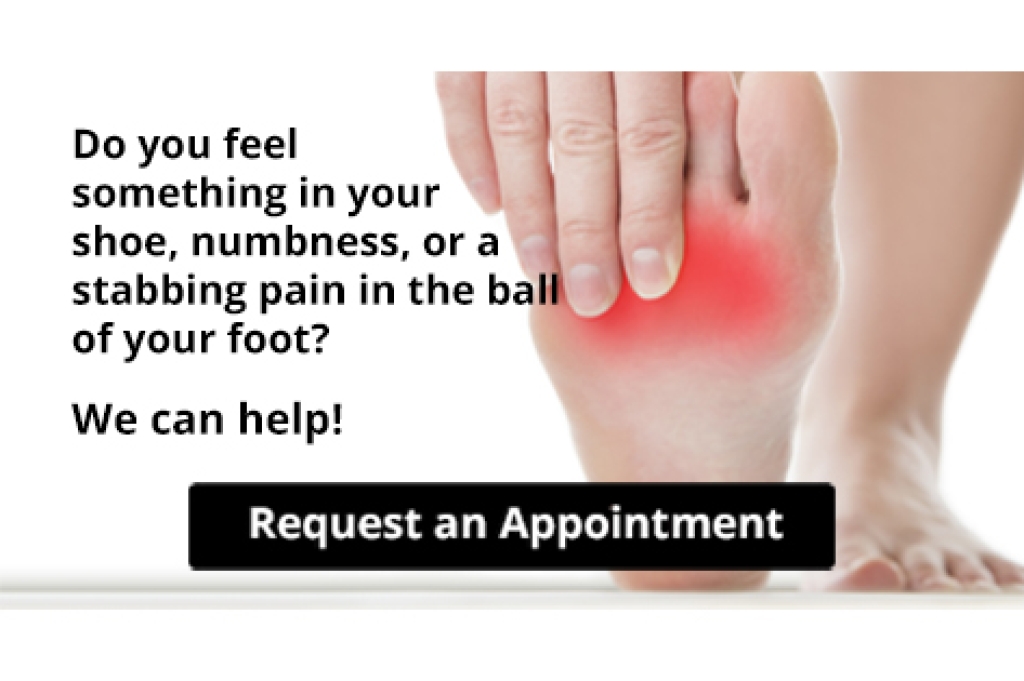
Why Live with Pain and Numbness in Your Feet?

Suffering from this type of pain? You may have the foot condition known as Morton's neuroma. Morton's neuroma may develop as a result of ill-fitting footwear and existing foot deformities. We can help.

Is a Plantar Wart Painful?

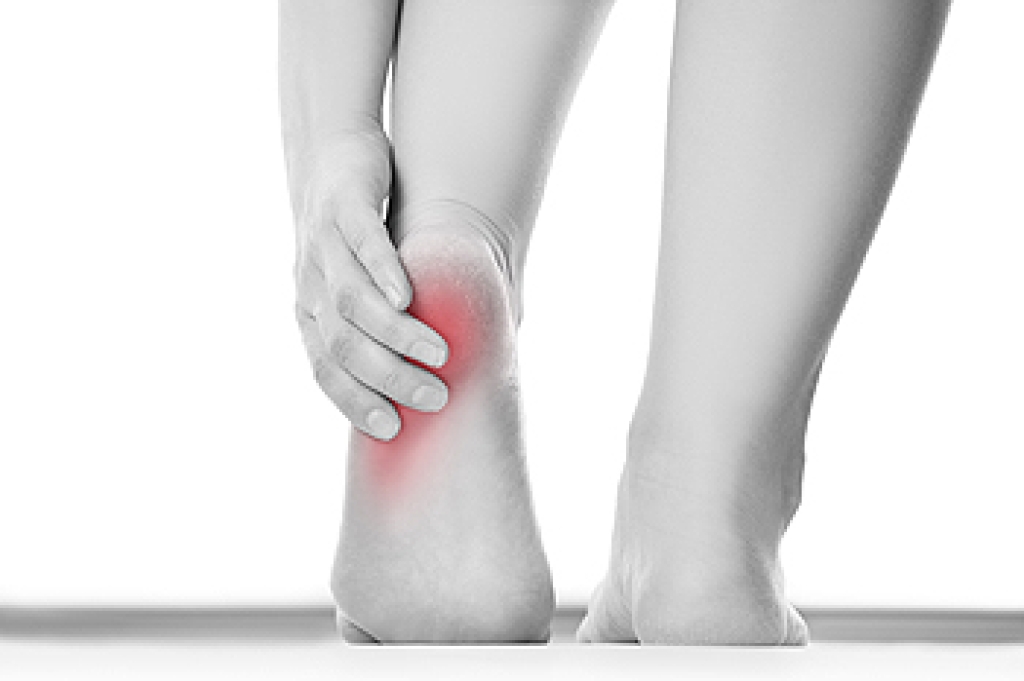
If you’ve ever had a plantar wart, you are most likely aware of the intense pain and tenderness that is typically experienced while walking. It is known to be caused by the human papillomavirus, which is also referred to as HPV. This particular type of virus typically affects the heel of the foot, and will grow inward as a result of the pressure the heel endures from everyday activities such as walking. The appearance can be a small area with thickened skin and may sometimes have black dots in the center. Treatment options may include utilizing liquid nitrogen that will freeze the wart off, salicylic acid cream, which may be used to burn the wart off, or specific medicine that is applied directly to the wart. It’s important to have a podiatrist properly diagnose your plantar wart to determine what the best course of treatment is for you.

Plantar warts can be very uncomfortable. If you need your feet checked, contact one of our podiatrists from Jill Einhorn, DPM and James Einhorn, DPM. Our doctors will assist you with all of your foot and ankle needs.

About Plantar Warts

Plantar warts are the result of HPV, or human papillomavirus, getting into open wounds on the feet. They are mostly found on the heels or balls of the feet.

While plantar warts are generally harmless, those experiencing excessive pain or those suffering from diabetes or a compromised immune system require immediate medical care. Plantar warts are easily diagnosed, usually through scraping off a bit of rough skin or by getting a biopsy.

Symptoms

  • Lesions on the bottom of your feet, usually rough and grainy
  • Hard or thick callused spots
  • Wart seeds, which are small clotted blood vessels that look like little black spots
  • Pain, discomfort, or tenderness of your feet when walking or standing

Treatment

  • Freezing
  • Electric tool removal
  • Laser Treatment
  • Topical Creams (prescription only)
  • Over-the-counter medications

To help prevent developing plantar warts, avoid walking barefoot over abrasive surfaces that can cause cuts or wounds for HPV to get into. Avoiding direct contact with other warts, as well as not picking or rubbing existing warts, can help prevent the further spread of plantar warts. However, if you think you have developed plantar warts, speak to your podiatrist. He or she can diagnose the warts on your feet and recommend the appropriate treatment options.

If you have any questions, please feel free to contact our offices located in Brooklyn and Astoria, NY . We offer the newest diagnostic and treatment technologies for all your foot care needs.
Read more about All About Plantar Warts
Connect With Us