
(718) 891-2706

2616 Ave U | Brooklyn, NY 11229

(718) 278-8020

4105 31st Ave | Astoria, NY 11103
Like us on facebook
Follow us on twitter
Review us on google

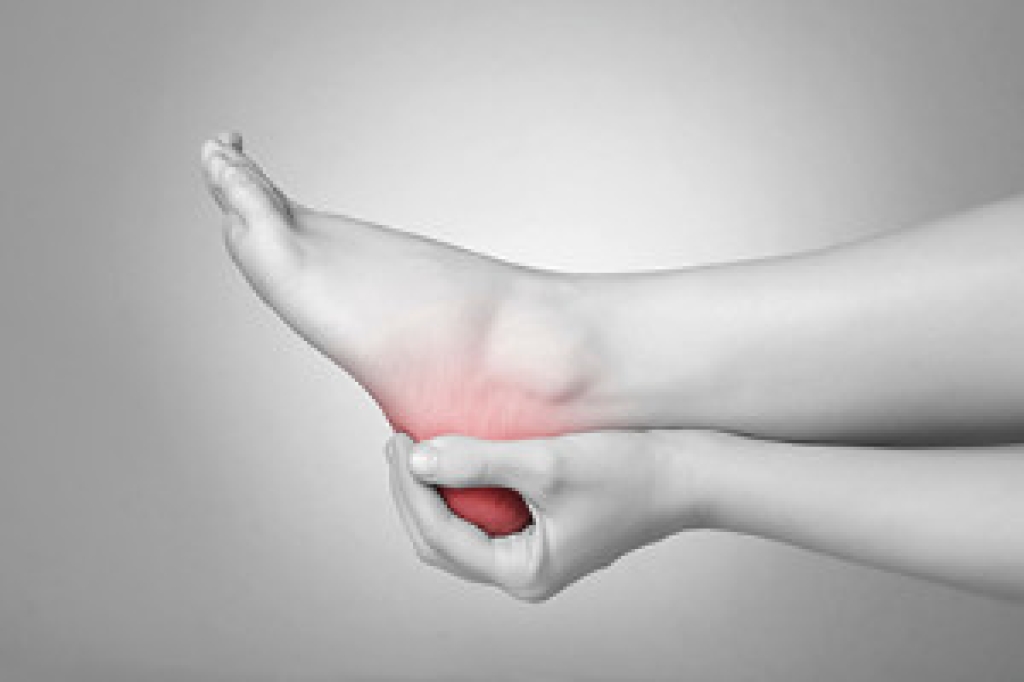
Why Does My Foot Hurt?

Foot pain, on its own, is a fairly nonspecific symptom. There are many conditions that may lead to foot pain. Plantar fasciitis, in which the ligament that runs along the bottom of the foot becomes inflamed, is a frequent cause of foot pain. Morton’s neuroma, a condition in which a nerve in the foot starts to thicken and place pressure on the toes, is also a fairly common problem. Other foot problems that can cause pain include metatarsalgia, tendinitis, turf toe, hallux valgus, heel pad atrophy, arthritis, and heel spurs. To figure out what is causing your foot pain, and how to treat it, it is suggested that you seek the care of a podiatrist. 

Foot Pain

Foot pain can be extremely painful and debilitating. If you have a foot pain, consult with one of our podiatrists from Jill Einhorn, DPM and James Einhorn, DPM. Our doctors will assess your condition and provide you with quality foot and ankle treatment.

Causes

Foot pain is a very broad condition that could be caused by one or more ailments. The most common include:

  • Bunions
  • Hammertoes
  • Plantar Fasciitis
  • Bone Spurs
  • Corns
  • Tarsal Tunnel Syndrome
  • Ingrown Toenails
  • Arthritis (such as Gout, Rheumatoid, and Osteoarthritis)
  • Flat Feet
  • Injury (from stress fractures, broken toe, foot, ankle, Achilles tendon ruptures, and sprains)
  • And more

Diagnosis

To figure out the cause of foot pain, podiatrists utilize several different methods. This can range from simple visual inspections and sensation tests to X-rays and MRI scans. Prior medical history, family medical history, and any recent physical traumatic events will all be taken into consideration for a proper diagnosis.

Treatment

Treatment depends upon the cause of the foot pain. Whether it is resting, staying off the foot, or having surgery; podiatrists have a number of treatment options available for foot pain.

If you have any questions, please feel free to contact our offices located in Brooklyn and Astoria, NY . We offer the newest diagnostic and treatment technologies for all your foot care needs.

Read more about Foot Pain

Reminder: When Was the Last Time...?

Custom orthotics, or shoe inserts, should be periodically replaced. Orthotics must fit properly to give you the best results. Protect your feet and ankles!

Who Is Prone to Developing Neuropathy?

The medical condition that is known as neuropathy can be a common ailment among diabetic patients. It can develop as a result of excessively high sugar levels in the bloodstream and affects more than fifty percent of people who are diabetic. The most common symptoms are tingling sensations, or the feet may feel numb. This may lead to the inability to feel cuts, bruises, or wounds that develop on the feet, and this can cause significant complications when left untreated. There may be existing medical conditions that can cause neuropathy. These can include elevated cholesterol levels and high blood pressure. If you are experiencing numbness or pain in your feet, it is strongly suggested that you speak with a podiatrist who can properly diagnose and treat neuropathy.

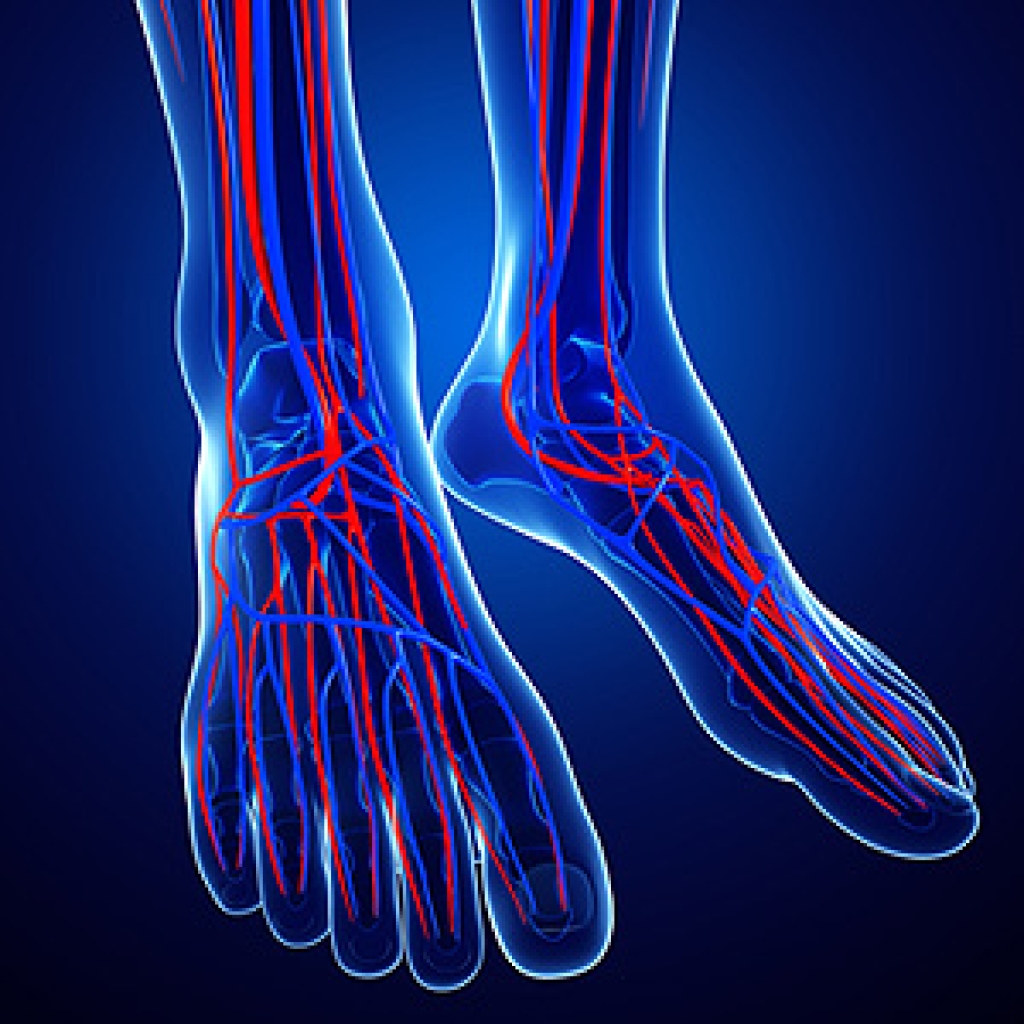
Neuropathy

Neuropathy can be a potentially serious condition, especially if it is left undiagnosed. If you have any concerns that you may be experiencing nerve loss in your feet, consult with one of our podiatrists from Jill Einhorn, DPM and James Einhorn, DPM. Our doctors will assess your condition and provide you with quality foot and ankle treatment for neuropathy.

What Is Neuropathy?

Neuropathy is a condition that leads to damage to the nerves in the body. Peripheral neuropathy, or neuropathy that affects your peripheral nervous system, usually occurs in the feet. Neuropathy can be triggered by a number of different causes. Such causes include diabetes, infections, cancers, disorders, and toxic substances.

Symptoms of Neuropathy Include:

  • Numbness
  • Sensation loss
  • Prickling and tingling sensations
  • Throbbing, freezing, burning pains
  • Muscle weakness

Those with diabetes are at serious risk due to being unable to feel an ulcer on their feet. Diabetics usually also suffer from poor blood circulation. This can lead to the wound not healing, infections occurring, and the limb may have to be amputated.

Treatment

To treat neuropathy in the foot, podiatrists will first diagnose the cause of the neuropathy. Figuring out the underlying cause of the neuropathy will allow the podiatrist to prescribe the best treatment, whether it be caused by diabetes, toxic substance exposure, infection, etc. If the nerve has not died, then it’s possible that sensation may be able to return to the foot.

Pain medication may be issued for pain. Electrical nerve stimulation can be used to stimulate nerves. If the neuropathy is caused from pressure on the nerves, then surgery may be necessary.

If you have any questions, please feel free to contact our offices located in Brooklyn and Astoria, NY . We offer the newest diagnostic and treatment technologies for all your foot care needs.
Read more about Neuropathy

Hammertoe Relief Options

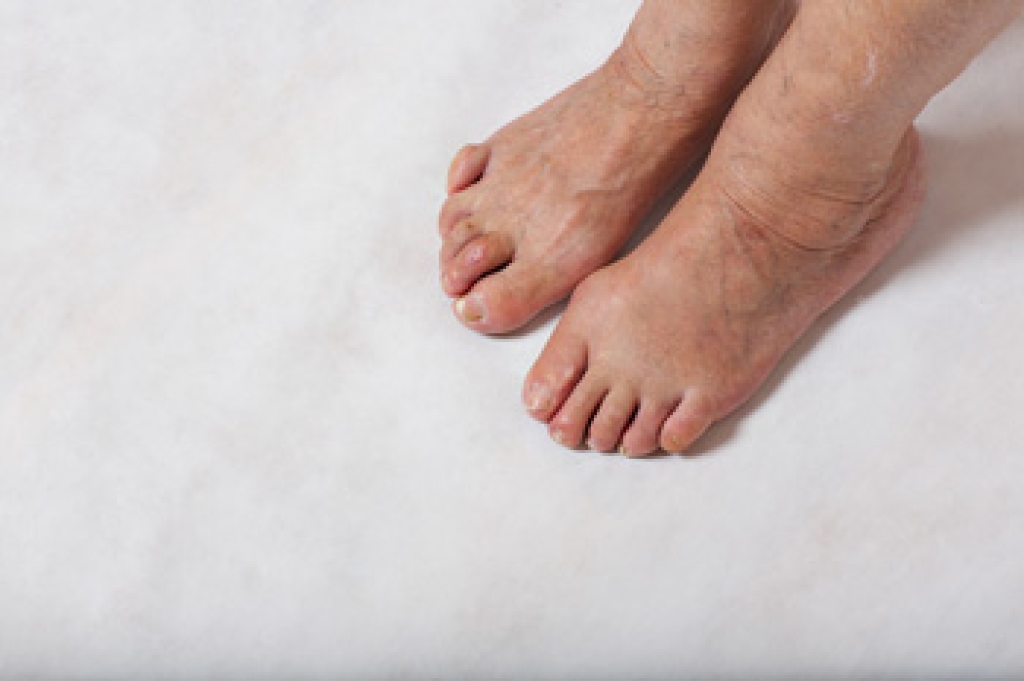
The foot condition that is referred to as hammertoe is also known as claw toes, retracted toes, or mallet toes. The ligaments are misaligned, and can cause the second or third toe to bend downward, resembling a hammer. This ailment can develop as a result of genetics, or from wearing shoes that do not have adequate room for the toes to move freely in. Additionally, patients who have bunions may be prone to developing hammertoe. This condition can cause difficulty in wearing shoes, and mild relief may be found when larger shoes are worn. Surgery is a viable option for patients to consider if they have severe hammertoe, and it is recommended that you seek the counsel of a podiatrist if you are afflicted with this ailment.

Hammertoe

Hammertoes can be a painful condition to live with. For more information, contact one of our podiatrists from Jill Einhorn, DPM and James Einhorn, DPM. Our doctors will answer any of your foot- and ankle-related questions.

Hammertoe is a foot deformity that affects the joints of the second, third, fourth, or fifth toes of your feet. It is a painful foot condition in which these toes curl and arch up, which can often lead to pain when wearing footwear.

Symptoms

  • Pain in the affected toes
  • Development of corns or calluses due to friction
  • Inflammation
  • Redness
  • Contracture of the toes

Causes

Genetics – People who are genetically predisposed to hammertoe are often more susceptible

Arthritis – Because arthritis affects the joints in your toes, further deformities stemming from arthritis can occur

Trauma – Direct trauma to the toes could potentially lead to hammertoe

Ill-fitting shoes – Undue pressure on the front of the toes from ill-fitting shoes can potentially lead to the development of hammertoe

Treatment

Orthotics – Custom made inserts can be used to help relieve pressure placed on the toes and therefore relieve some of the pain associated with it

Medications – Oral medications such as anti-inflammatories or NSAIDs could be used to treat the pain and inflammation hammertoes causes. Injections of corticosteroids are also sometimes used

Surgery – In more severe cases where the hammertoes have become more rigid, foot surgery is a potential option

If you have any questions, please feel free to contact our offices located in Brooklyn and Astoria, NY . We offer the newest diagnostic and treatment technologies for all your foot care needs.
Read more about Hammertoe

Characteristics of Flat Feet

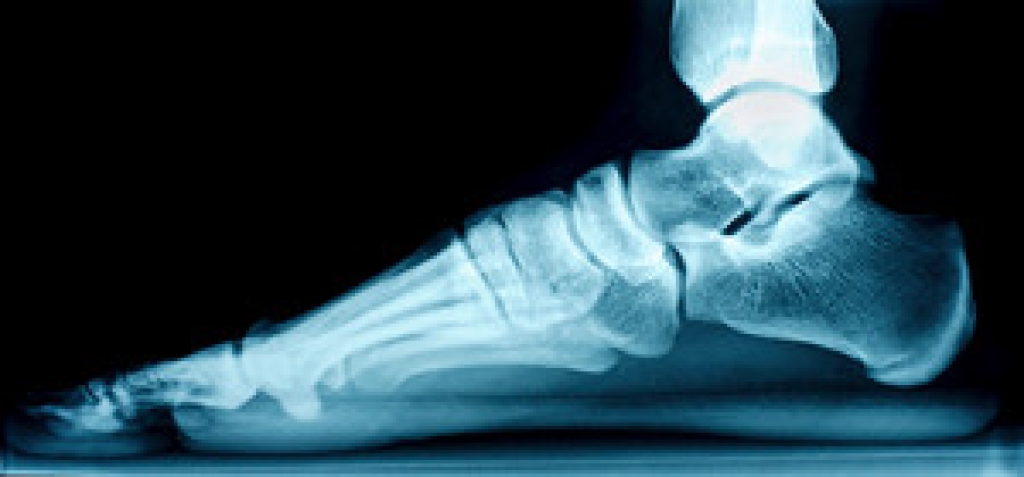
Flat feet is a condition in which the arch in the middle of the sole of the foot is absent, causing the entire sole of the foot to touch the ground when standing. About 30% of the population has flat feet. People with flat feet tend to have heels that point outwards from the ankles and floppier feet due to an excess of movement in the midfoot region. These can lead to various symptoms, such as pain, tenderness, or cramping in the feet or legs, and to the development of other foot conditions, including posterior tibialis tendonitis, tarsal tunnel syndrome, plantar fasciitis, ankle arthritis, overload metatarsalgia, and stress fractures in the bones of the feet. If you have flat feet that are causing you pain or discomfort, it is recommended that you seek the care of a podiatrist. 

Flatfoot is a condition many people suffer from. If you have flat feet, contact one of our podiatrists from Jill Einhorn, DPM and James Einhorn, DPM. Our doctors will treat your foot and ankle needs.

What Are Flat Feet?

Flatfoot is a condition in which the arch of the foot is depressed and the sole of the foot is almost completely in contact with the ground. About 20-30% of the population generally has flat feet because their arches never formed during growth.

Conditions & Problems:

Having flat feet makes it difficult to run or walk because of the stress placed on the ankles.

Alignment – The general alignment of your legs can be disrupted, because the ankles move inward which can cause major discomfort.

Knees – If you have complications with your knees, flat feet can be a contributor to arthritis in that area.  

Symptoms

  • Pain around the heel or arch area
  • Trouble standing on the tip toe
  • Swelling around the inside of the ankle
  • Flat look to one or both feet
  • Having your shoes feel uneven when worn

Treatment

If you are experiencing pain and stress on the foot you may weaken the posterior tibial tendon, which runs around the inside of the ankle. 

If you have any questions, please feel free to contact our offices located in Brooklyn and Astoria, NY . We offer the newest diagnostic and treatment technologies for all your foot care needs.

Read more about Flat Feet
Connect With Us