
(718) 891-2706

2616 Ave U | Brooklyn, NY 11229

(718) 278-8020

4105 31st Ave | Astoria, NY 11103
Like us on facebook
Follow us on twitter
Review us on google

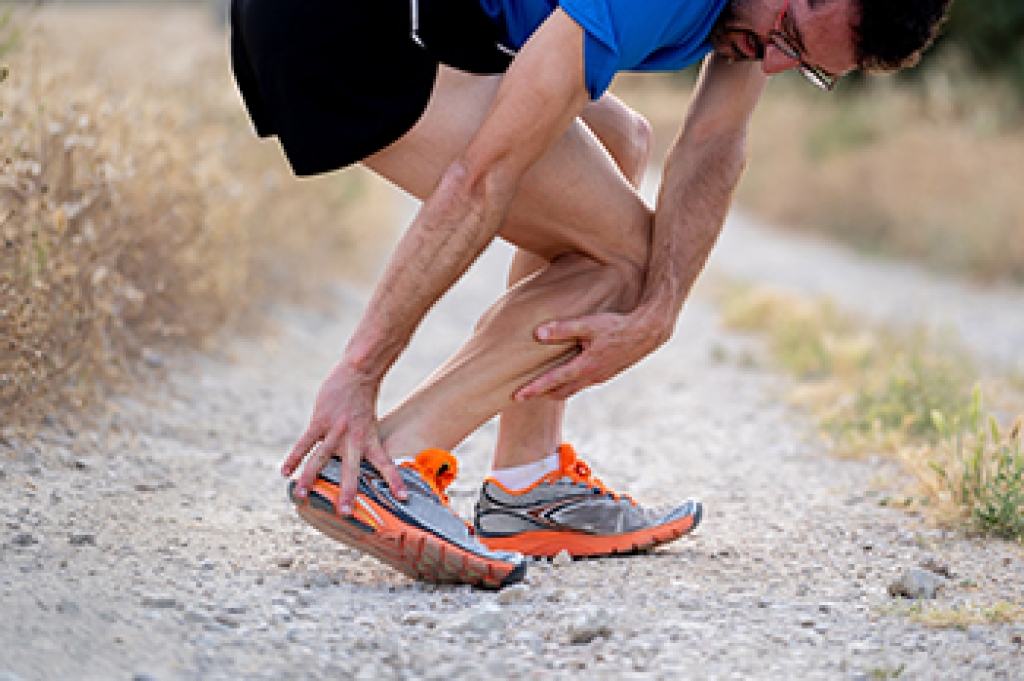
Running With Heel Pain

Heel pain can turn a comfortable run into a difficult test. Continuing to run can make the problem worse and extend the break needed for recovery. Plantar fasciitis, heel spurs, and stress fractures are possible causes of heel pain. Plantar fasciitis is irritation of the strong band of tissue that supports the arch. A stress fracture is a small crack caused by repeated pressure on a bone. Because these problems require different forms of care, runners should not assume that all heel pain comes from the same source. Stopping a run when pain begins can reduce the chance of further injury.

Pain also changes the way a runner moves. A person may shorten a stride, shift weight, or land differently to protect the sore heel. These changes can place added strain on the ankle, knee, and hip. Discomfort can also spread to the lower back as the body tries to adjust. Warning signs that deserve prompt attention include swelling, bruising, or trouble placing weight on the foot. Pain that is sharp, continues at rest, or grows worse from one run to the next also needs an evaluation. Running through these symptoms can delay healing and interfere with work and daily activities.

A podiatrist can examine the heel, check foot movement, and review the runner’s training routine. X-rays or other imaging can help reveal a fracture or another source of pain. Treatment depends on the diagnosis and can include custom orthotics, supportive taping, or a walking boot. The podiatrist can also recommend shoes that fit correctly and provide proper support. A gradual return-to-running plan can protect the heel once pain improves. Some conditions respond well to these options, while more severe injuries may require surgery. An accurate diagnosis helps the runner avoid repeated strain and return to activity safely. If you have heel pain while running, it is suggested that you schedule an appointment with a podiatrist for a diagnosis and appropriate treatment.

Sports related foot and ankle injuries require proper treatment before players can go back to their regular routines. For more information, contact one of our podiatrists of Jill Einhorn, DPM and James Einhorn, DPM. Our doctors can provide the care you need to keep you pain-free and on your feet.

Sports Related Foot and Ankle Injuries

Foot and ankle injuries are a common occurrence when it comes to athletes of any sport. While many athletes dismiss the initial aches and pains, the truth is that ignoring potential foot and ankle injuries can lead to serious problems. As athletes continue to place pressure and strain the area further, a mild injury can turn into something as serious as a rupture and may lead to a permanent disability. There are many factors that contribute to sports related foot and ankle injuries, which include failure to warm up properly, not providing support or wearing bad footwear. Common injuries and conditions athletes face, including:

  • Plantar Fasciitis
  • Achilles Tendinitis
  • Achilles Tendon Rupture
  • Ankle Sprains

Sports related injuries are commonly treated using the RICE method. This includes rest, applying ice to the injured area, compression and elevating the ankle. More serious sprains and injuries may require surgery, which could include arthroscopic and reconstructive surgery. Rehabilitation and therapy may also be required in order to get any recovering athlete to become fully functional again. Any unusual aches and pains an athlete sustains must be evaluated by a licensed, reputable medical professional.

If you have any questions please contact our offices located in Brooklyn and Astoria, NY . We offer the newest diagnostic and treatment technologies for all your foot and ankle needs.

Read more about Sports Related Foot and Ankle Injuries

Why Proper Shoe Fit Matters for Foot Health

Shoes that fit correctly can protect the feet. Poorly-fitting shoes can cause blisters, corns, and calluses. They can also create added pressure and contribute to pain in the heels or arches. Since foot size and shape can change with age, relying on an old measurement may lead to the wrong fit. Both feet should be measured while standing, preferably later in the day when swelling is more likely. Length, width, and arch length matter.

Shoe sizes vary between brands, so the number on the box may only be a guide. Shoes should fit the larger foot, because one foot is frequently bigger. Experts suggest leaving about half an inch between the longest toe and the front of the shoe. The toe box should be wide enough for the toes to move without rubbing or feeling squeezed. Walk around to check for heel slipping, pressure, or pinching. A suitable shoe should feel comfortable right away and bend near the ball of the foot, where the toes naturally bend. Laces or adjustable straps can help hold the foot securely.

When pain continues or a foot condition makes buying shoes difficult, a podiatrist can evaluate shoe fit. The examination includes checking foot shape, joint movement, and pressure points. A podiatrist can determine whether the shoe provides enough support for the patient’s activity and foot structure. Recommendations can address heel height, cushioning, and toe-box space. For patients with diabetes, nerve damage, or a history of sores, careful fitting is important because rubbing may go unnoticed. Custom orthotics can improve pressure distribution when standard shoe support is not enough. A podiatrist can recommend specialty shoes or modifications to accommodate a bunion, hammertoe, or difference in foot size. If you have foot pain that may be related to your shoes, it is suggested that you schedule an appointment with a podiatrist for relief tips, and helpful guidance on how to choose shoes that fit properly.

Finding a properly-fitting shoe is important in reducing injuries and preventing foot problems. For more information about treatment, contact one of our podiatrists from Jill Einhorn, DPM and James Einhorn, DPM. Our doctors will treat your foot and ankle needs.

Proper Shoe Fitting

A common concern when it comes to foot health, having properly fitted shoes can help prevent injuries to the foot. Out feet affect our posture and gait, which in turn affects the biomechanics and overall bodily structure. With 33 joints, 26 bones, and over 100 ligaments, the potential for serious injury is much greater than one realizes. Although the feet cease growth in adulthood, they still change shape as they mature. Here are some factors to consider when it comes to investing in proper fitting shoes:

  • Be sure the shoes fit correctly right away
  • Ensure the ball of your foot fits comfortably in the widest portion of the shoes
  • Even though they may look fashionable, improper fitting shoes can either create adverse conditions or exacerbate existing ones you may already have
  • Walk along a carpeted surface to ensure the shoes comfortably fit during normal activity

Keeping in mind how shoes fit the biomechanics of your body, properly-fitting shoes are vitally important. Fortunately, it is not difficult to acquire footwear that fits correctly. Be sure to wear shoes that support the overall structure of your body. Do your feet a favor and invest in several pairs of well-fitted shoes today.

If you have any questions, please feel free to contact our offices located in Brooklyn and Astoria, NY . We offer the newest diagnostic and treatment technologies for all your foot care needs.

Read more about How to Get a Proper Shoe Fit
Connect With Us